
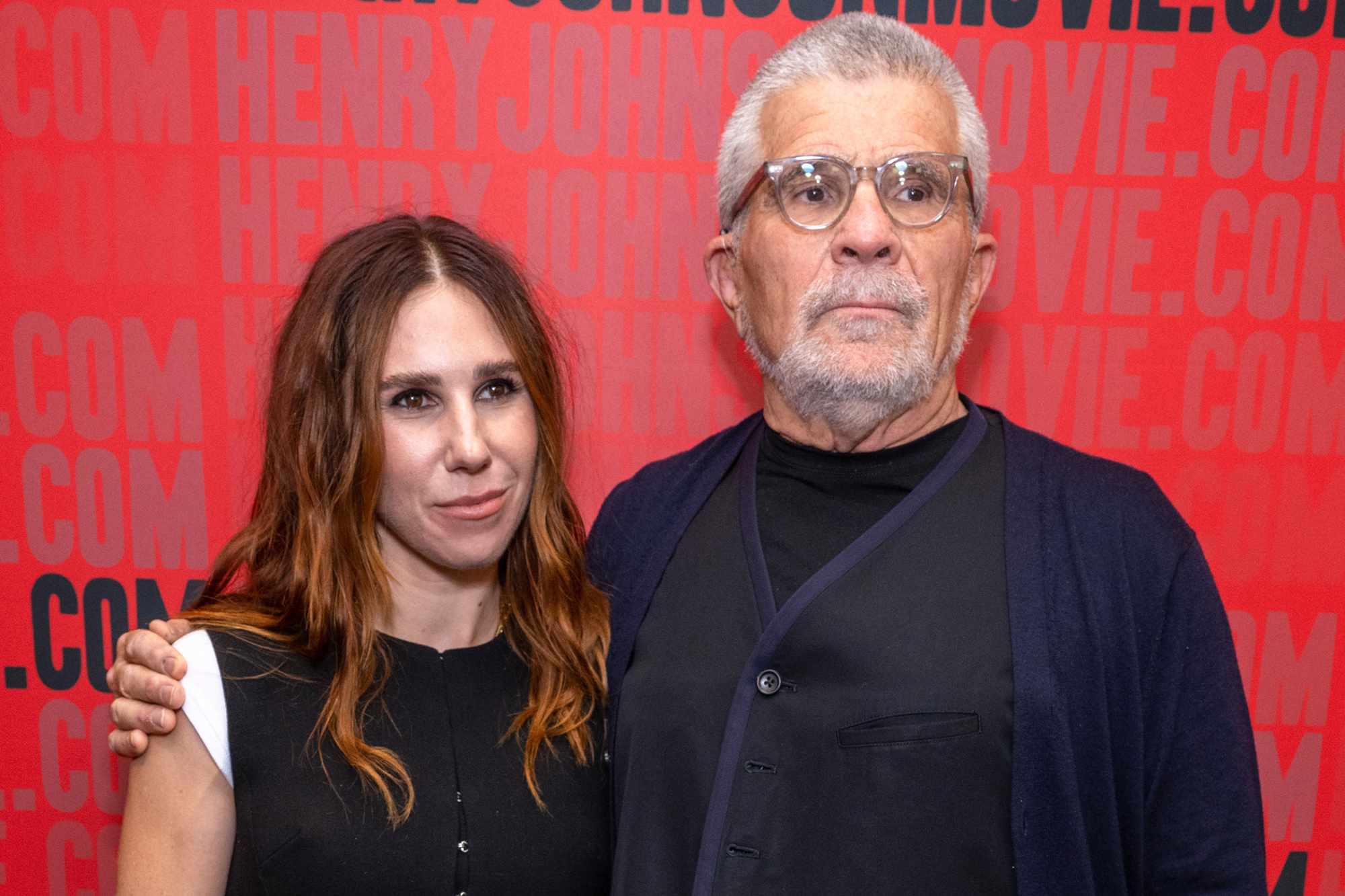
Actor Zosia Mamet has opened up about the personal and familial tensions arising from her father, playwright David Mamet’s, vocal support for former President Donald Trump. Speaking on the November 23, 2026 episode of Dax Shepard’s ‘Armchair Expert’ podcast, Zosia delved into the ways her father’s endorsement of Trump—both in the 2020 and 2024 presidential elections—has affected those closest to him.
David Mamet, renowned for works like Glengarry Glen Ross, has become an outspoken conservative in recent years, a shift echoed in his public backing of Trump. Zosia, best known for her roles in series like Girls, drew a distinction on the podcast between her father’s genuine beliefs and the suggestion that his stance is simply performative or contrarian. She emphasized that his support is “not a rebellious affectation” but rather a sincere alignment with the former president’s platform and policies, a view that diverges sharply from the political leanings of much of their family.
Reflecting on the ripple effects of these differences, Zosia recounted a particularly emotional moment involving her half-sister, Clara Mamet. Upon hearing that David was to be honored by the Kennedy Center, Clara called Zosia “almost in tears.” The incident underscored the depth of feeling and dissonance that David’s political views have produced within the family. Zosia’s remarks suggest a persistent challenge: reconciling familial love with unresolved ideological divides.
David Mamet’s conservatism has been highly visible, especially in recent years, and his support for Trump remains a point of contention both publicly and within his private life. Despite these differences, there is no public indication that the family has reached any broader resolution. The discussion on the podcast brought renewed visibility to the personal costs and ongoing nature of such high-profile political disagreements, but did not signal any imminent change or reconciliation in the Mamet household.
The episode serves as a microcosm of the political and generational divides that persist in many American families, with Zosia Mamet’s experience illustrating the sometimes-painful interplay between public convictions and private bonds.