
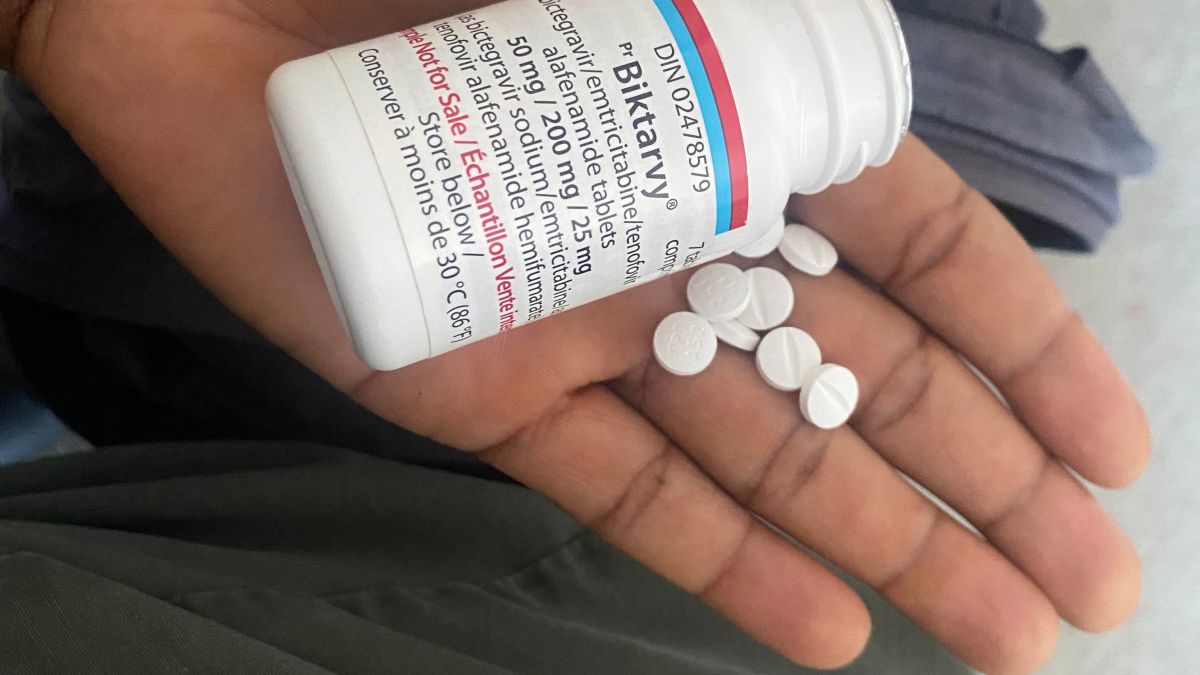
For more than a decade, Zimbabwe has seen remarkable progress in controlling its HIV epidemic—a public health turnaround attributed to expanded access to treatment and an increasingly robust prevention strategy. Yet, as new infections among adults steadily fall, the fight for the country’s future now hinges on reaching a new generation: adolescents and young adults whose unique challenges risk driving a resurgence of infection rates unless urgent, tailored interventions succeed.
Staggering Gains, Emerging Risks
Official estimates from UNAIDS highlight that new annual HIV infections in Zimbabwe have dropped from 79,000 in 2010 to 15,000 in 2023. The decline is particularly dramatic among those aged 15 to 24, which saw new infections plunge from approximately 27,000 to 4,400 over the same time period (Al Jazeera, Nov 15, 2026). But the optimism that follows these gains is offset by a sense of fragility. Health professionals warn that some youth, reassured by the promise of effective treatments, have grown complacent—underestimating HIV’s risks and creating new avenues for the virus’s spread.
That complacency is exacerbated by persistent social and logistical barriers. A 2023 study in Harare identified fear of a positive test, embarrassment, and concerns over confidentiality as chief obstacles that keep adolescents from seeking testing (Texila International Journal of Public Health, 2023). Those who are diagnosed often face stigma, which research links to interruptions in care and greater transmission risk (NCBI, 2023).
Making Prevention Youth-Friendly
To contend with these hurdles, Zimbabwe’s government has decentralized HIV prevention and treatment efforts—rolling out mobile health units and pop-up clinics at community events, including markets and sports matches. These interventions aim to meet young people where they are, with peer educators leveraging community spaces to provide confidential counseling, testing, and information about prevention options such as pre-exposure prophylaxis (PrEP) and emergency post-exposure prophylaxis (PEP).
Still, service disruptions and socioeconomic pressures can undercut such initiatives. A March 2025 UNAIDS report signaled that disruptions in U.S.-funded HIV programs negatively affected PrEP, testing, and counseling, especially for the country’s most vulnerable populations (Al Jazeera, Nov 15, 2026).
The Promise and Challenge of Innovation
Meanwhile, long-acting prevention solutions offer promise but also pose equity challenges. Lenacapavir, a twice-yearly injectable drug, marks a breakthrough in HIV prevention, according to health authorities. Whether such cutting-edge options will reach young Zimbabweans at risk, however, remains uncertain amid concerns over cost and distribution logistics (Al Jazeera, Oct 1, 2026).
What’s Next?
Zimbabwe’s progress stands in stark contrast to the late 1990s, when the epidemic reached its grim peak. But with UNAIDS reporting that adolescent girls and young women in Eastern and Southern Africa still bear the brunt of new global infections, officials, clinicians, and peer educators agree: the next stage in Zimbabwe’s HIV battle will be decided by whether youth-focused strategies can overcome deep-seated stigma and system gaps, securing the gains made for generations to come.
As the effectiveness of new prevention tools among young people is evaluated and barriers to access and adherence persist, Zimbabwe’s struggle is emblematic of the broader regional challenge—and a test case for the world’s ongoing response.