
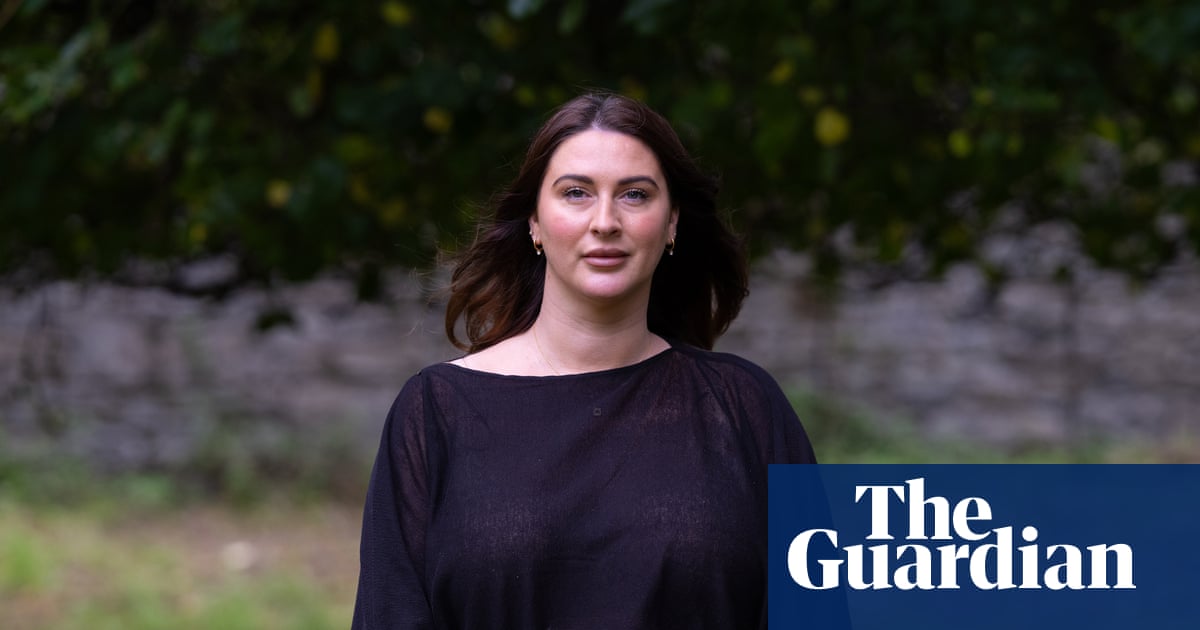
The multi-year legal battle between former UFC champion Conor McGregor and Dublin-based hairdresser Nikita Hand has reached its definitive conclusion in the Irish courts. In July 2025, the Court of Appeal upheld a Dublin High Court jury verdict that found McGregor liable for sexually assaulting Hand in a hotel penthouse in December 2018, after prosecutors had declined to pursue criminal charges two years prior.
According to details confirmed by multiple outlets, including The Guardian and Sky Sports, Hand alleged that the assault took place following a night of socializing. In the absence of criminal prosecution due to what prosecutors cited as insufficient evidence, Hand brought a civil lawsuit seeking damages. The High Court jury sided with Hand in November 2024, awarding her €248,603.60 and holding McGregor legally responsible for the assault. The financial ramifications were substantial, with McGregor also ordered to pay around £1.1 million in legal costs.
McGregor has consistently denied the allegations throughout the public and legal proceedings, maintaining that the encounter was consensual. Nonetheless, his appeal sought to overturn the High Court verdict on five grounds—all of which were rejected by the appellate judges in July 2025. The appellate court’s decision rendered the initial civil finding final, with no further avenues for McGregor in the Irish judicial system.
Complicating proceedings further, two individuals who offered evidence during McGregor’s appeal—Samantha O’Reilly and Steven Cummins—were charged with perjury in September 2026 for allegedly providing false statements in support of the former UFC star. Their cases remain pending, with no verdict announced as of November 2026.
Nikita Hand has spoken out about the lasting psychological toll exacted by both the alleged assault and the years-long legal ordeal, stating in recent interviews with Irish press that she continues to experience panic attacks and anxiety. The high-profile nature of the lawsuit has ignited wider debate across Ireland about the handling of sexual assault allegations in both criminal and civil courts, especially when powerful figures are involved. Hand has publicly urged a broad societal shift toward believing victims and scrutinizing the common impulse to engage in victim-blaming, regardless of a complainant’s profession or circumstances.
The outcome of the McGregor-Hand case stands as part of a broader conversation on the burdens facing sexual assault survivors seeking redress through civil litigation, particularly when prosecutors decline to file criminal charges. Legal experts and advocacy groups have pointed to this case as emblematic of the complex, often fraught pursuit of justice for survivors confronting public skepticism and celebrity influence.