
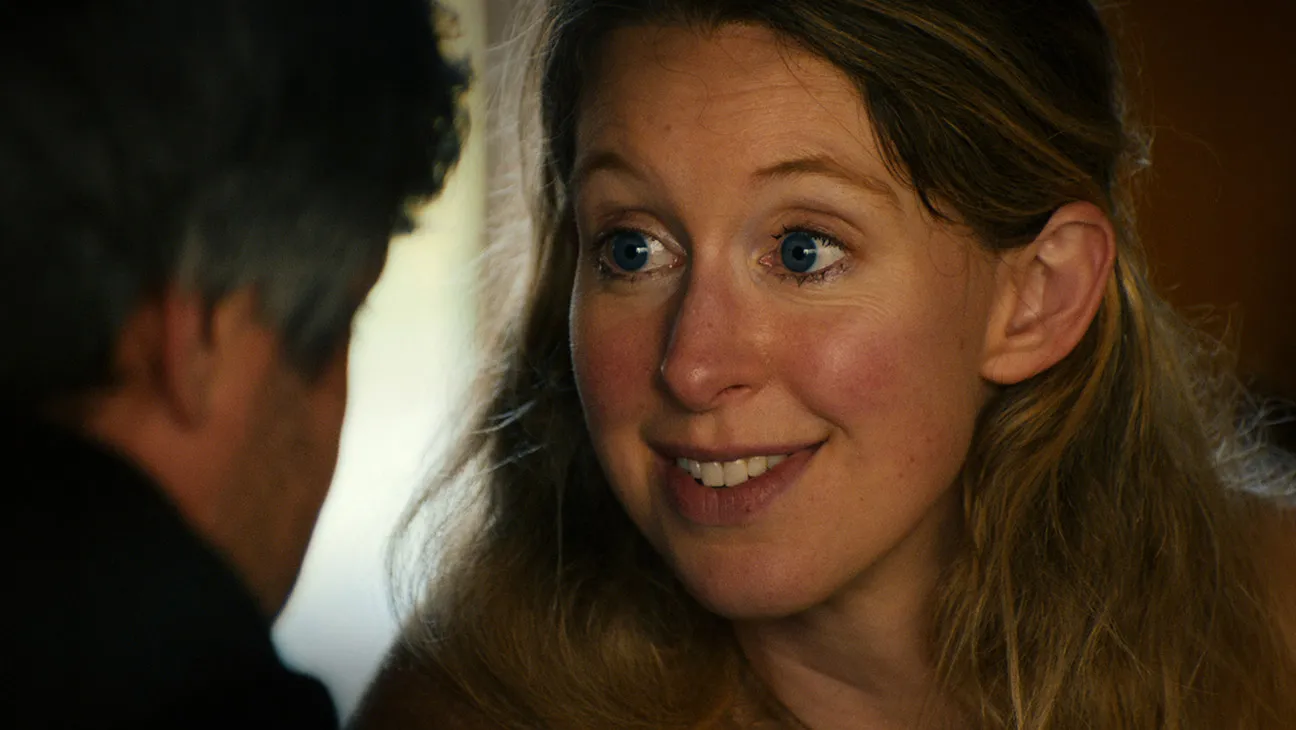
The new documentary “You Can See Everything”, co-directed by Nathan Fielder and Lance Oppenheim, is quickly becoming one of the most talked about films of 2026. Centered on disgraced Theranos founder Elizabeth Holmes, the nearly three-hour work has ignited both critical acclaim and intense public scrutiny since its U.S. theatrical debut on October 16 and international rollout in November.
Now available for digital rental and purchase through Amazon Prime Video and Apple TV, the documentary provides an unusually intimate look at Holmes and her family in the tense 34 days before she began her federal prison sentence for defrauding Theranos investors. Its approach—frequently blending non-fiction filmmaking and fictionalized narrative elements—pushes the boundaries of traditional documentary storytelling (elpais.com; livingetc.com).
Critics have responded with near-unanimous praise. The film currently boasts a 97% rating on Rotten Tomatoes, based on 249 reviews, and has generated awards season rumors, including potential Oscar consideration for Amanda Seyfried’s performance (rottentomatoes.com; techradar.com).
But “You Can See Everything” is fueling as much debate as it is adulation. Online, viewers have latched onto the film’s newly revealed footage of Holmes, with heated discussion focused on her family dynamics and the psychological portrait painted by Fielder and Oppenheim (aftonbladet.se). The film’s blending of fact and fiction has led commentators and scholars to question its ethical boundaries, particularly amid reports about the filmmakers’ financial arrangements with Holmes’ partner, Billy Evans (theatlantic.com).
While its aesthetic choices and investigative reach are making waves, “You Can See Everything” is not yet available on Netflix, though it is widely accessible on transactional platforms for around $20–$25 (allnira.online; techradar.com). An exclusive streaming run on HBO Max is reportedly planned for early 2027.
International audiences have also gained access via theatrical release in Australia (November 12) and the UK and Ireland (November 20), suggesting wide global interest in the enduring story of Theranos and its enigmatic founder (techradar.com).
Fielder and Oppenheim’s project stands poised to shape the conversation on documentary ethics, narrative truth, and the public rehabilitation of infamous figures for the months—perhaps years—to come.