
In Nairobi this week, the opening of the First African Health Data Forum brought an uncomfortable reality to the forefront: vast swathes of Africa remain in the dark about who is dying, why they are dying, and where the gravest health risks truly lie. The World Health Organization (WHO) released a comprehensive new assessment of 40 countries across the continent, uncovering critical gaps in the way health data—including death records—are collected, analyzed, and acted upon.
The report details a terrain of lost stories and invisible emergencies. In only 19 of the 40 countries evaluated are authorities alerted to at least 80% of deaths. Just 21 nations record the actual cause for most deaths that do get reported, making it difficult for health officials to direct resources or respond to surges in disease. Even more troubling, less than half (43%) of the countries have the necessary capacity to analyze this information at the local clinic or hospital level, and only one in four can meaningfully check the quality of the health data gathered on the front lines.
“When we do not know why people are dying, which children are missing essential services or where communities face the greatest health risks, we may overlook the very people who need our attention most,” said Dr. Mohamed Janabi, WHO’s regional director for Africa, speaking to the urgency behind the report’s findings.
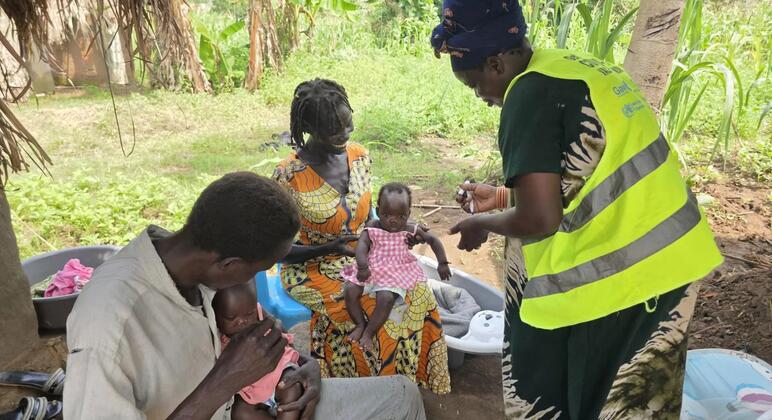
Financial frailty hobbles progress: just 18% of countries have a dedicated budget for their health information systems, with ongoing shortfalls in governance, coordination, and the training of professionals needed to manage complex data. Yet, the report notes islands of progress. Most African countries—43 of 47 in the region—have shifted to digital platforms for routine health reporting. In Nigeria’s Bauchi state, for example, use of vaccination and community-level data has enabled health authorities to identify children who missed their routine immunizations, illustrating the life-saving potential of robust information systems when properly used.
The conference in Nairobi isn’t just a review of flaws: it is a gathering point for solutions. Participants are scrutinizing both the pitfalls and possibilities of new technologies, especially artificial intelligence. Dr. Hillary Kipruto, a WHO technical officer, described how AI now enables data analysis that once took months to be condensed in a single click, but cautioned that legislation and regulatory frameworks must keep apace to ensure responsible deployment of these rapidly advancing tools.
For now, the question that looms over the forum is sharply defined but unresolved: can Africa’s health data infrastructure be transformed fast enough to prevent avoidable deaths, or will these invisible tragedies persist, uncounted and unanswered?