
As the World Health Organization enters a high-stakes leadership transition, Director-General candidate Dr. María P. Neira is emerging as a vocal proponent of strategic overhauls designed to restore trust and bolster the agency’s core mission. Against a backdrop of persistent funding constraints and global health threats, Neira’s candidacy—officially proposed by Spain and now among seven contenders—draws unusual scientific endorsement and focuses on urgent reforms rather than business as usual.
The WHO formally announced its slate of Director-General candidates on October 29, 2026, with Dr. Neira’s credentials highlighted by deep experience in global public health, environment, and policy leadership. Since 2005, she has headed WHO’s Department of Public Health, Environment, and Social Determinants of Health. Neira’s prior roles include serving as Spain’s Vice Minister of Health and Consumer Affairs and acting as a UN advisor in Mozambique and Rwanda (WHO, candidate CV).
Scientific Endorsement and Environmental Priorities
Neira’s bid quickly drew robust backing from over 350 scientists in 35 countries, many active in environmental and air quality research who cite her “unparalleled commitment” to addressing the health impacts of pollution and climate risk (El País, Oct. 2026).
This wave of support underscores her major policy drive: preventing illness at the source—through legal, financial, and scientific guidance on air, water, and planetary health—rather than relying exclusively on downstream clinical interventions. Neira’s supporters argue this “primary prevention” approach would leverage WHO’s influence to steer global investments toward tackling disease drivers before populations fall ill (Health Policy Watch).
Rebuilding Trust and Strategic Spending
In her campaign statements, Neira called for the WHO to strengthen transparency and accountability, address health misinformation, and rebuild eroded public trust. In particular, she cautioned against across-the-board budget cuts that, she argues, could hamper the agency’s core responsibilities and weaken its ability to respond to emerging threats (Health Policy Watch).
Instead, Neira advocates “strategic reforms”—reallocating funds to core programs and ensuring financial decisions are driven by evidence and priorities. She has emphasized that trust, communications, and “evidence-based policy must go hand-in-hand” if the WHO is to reclaim its authority after recent global health crises.
What Happens Next
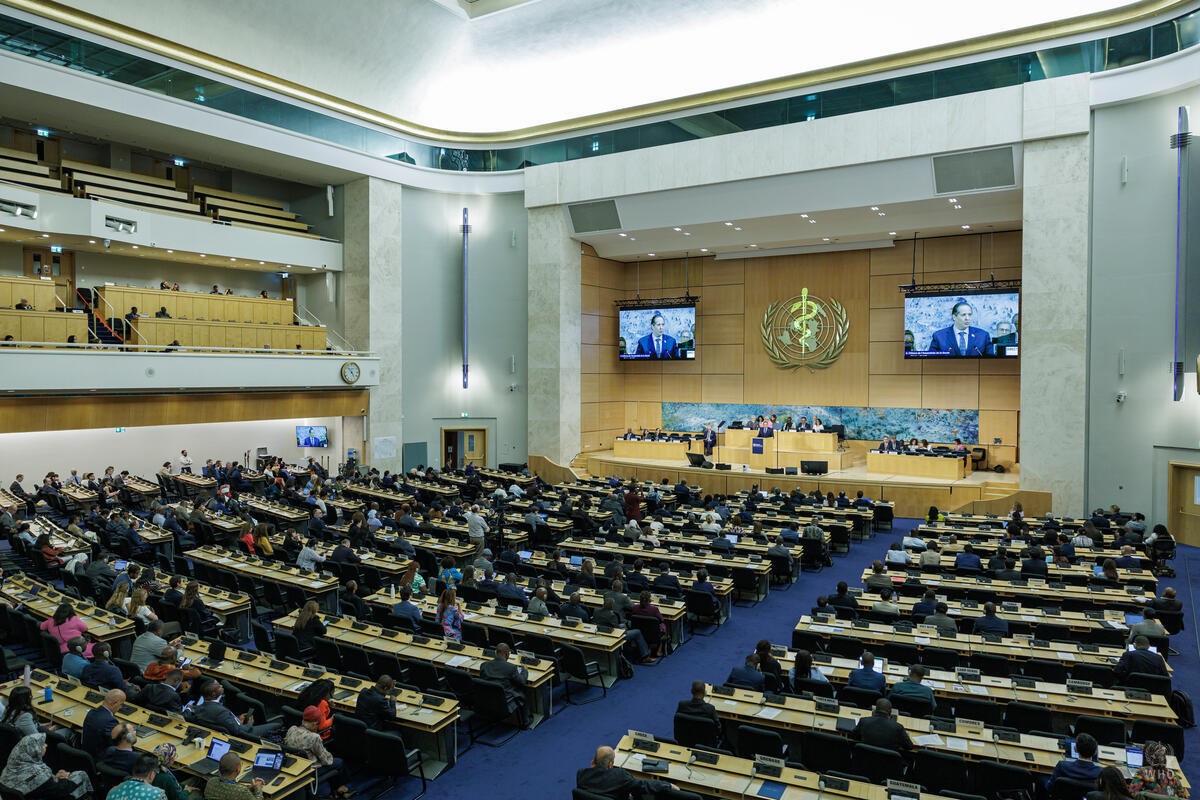
The Director-General selection process continues with a public candidates’ forum at WHO headquarters in Geneva on November 18–19, 2026. In early 2027, members of the Executive Board will narrow the field to five, then to up to three finalists. The final Director-General vote will take place at the World Health Assembly in May 2027, and the appointee is set to assume office on August 16, 2027 (WHO.org).
Neira’s candidacy arrives at a moment when the WHO is under pressure from shrinking resources, growing skepticism, and the evolving landscape of global threats—including non-communicable diseases, antimicrobial resistance, and the health consequences of climate change. While her strategy has drawn widespread praise among scientists—and no publicized opposition from other candidates or member states as of mid-November—the competition remains open and unresolved.
The ongoing election will test whether WHO member states embrace Neira’s call for reform as they chart the organization’s path for the next decade.