
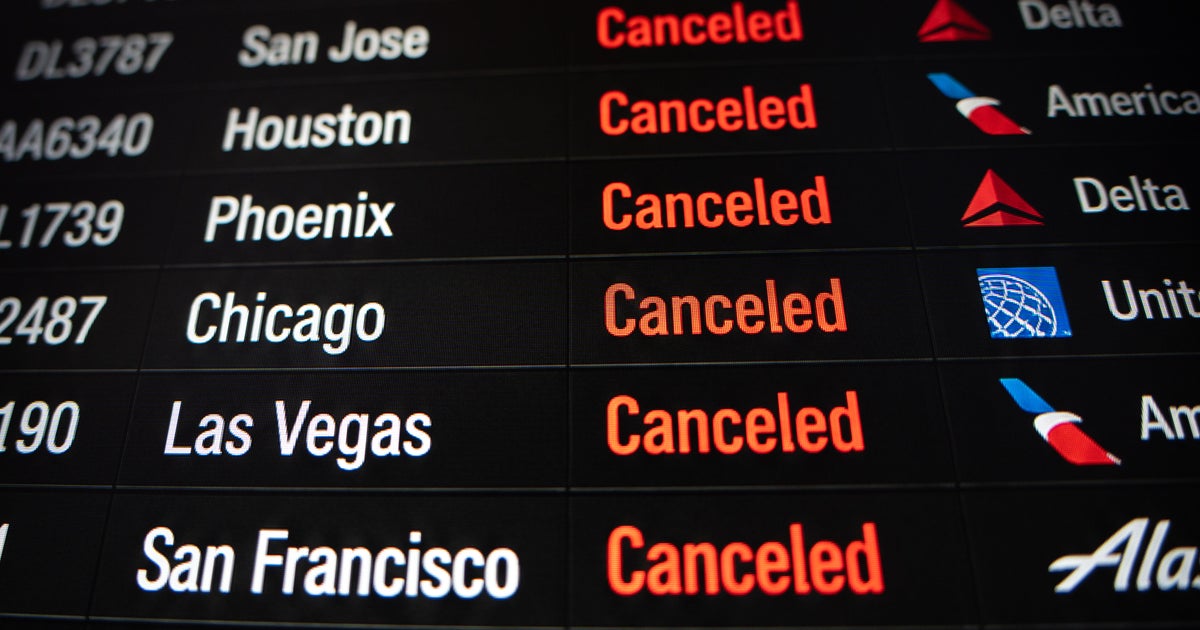
Following a harrowing four-hour freeze of U.S. airspace on November 13, 2026, the White House has convened an emergency “tiger team” to address vulnerabilities exposed in the nation’s aging air traffic control system. The move comes after a technical failure forced the Federal Aviation Administration (FAA) to ground all flights for hours, affecting thousands of journeys and underscoring systemic risks in transportation infrastructure.
According to the FAA and government officials, the disruption was triggered by instability in legacy network equipment when an overwhelming amount of data suddenly flooded critical FAA communications systems. Preliminary probes identified a recent router replacement in Arkansas as the immediate catalyst. Within minutes, the FAA issued a nationwide ground stop, safely landing over 3,500 airplanes already in the air under existing safety protocols.
Transportation Secretary Sean Duffy put the event in stark perspective, explaining that much of U.S. air traffic control still depends on 1980s-era switches, routers, and copper lines. “It’s an old system that went down, and went down everywhere,” he said, warning that the country’s skies will remain vulnerable until major upgrades are funded and executed. Duffy stressed that unlike routine patchwork fixes, modernizing the network would require a full financial commitment from Congress—an effort President Trump and his administration say they are actively championing.
Speculation about a possible cyberattack surfaced in the immediate aftermath, but Homeland Security Secretary Markwayne Mullin clarified that investigators found “zero evidence that this was a cyberattack or an SI [systems intrusion] attack.” Both the FAA and L3Harris, a major contractor, continue to study the incident to rule out deeper or systemic threats.
The newly formed “tiger team,” which met for the first time on November 16, includes high-level officials from the FAA, the Office of the Director of National Intelligence, the Department of Defense, and the Department of Transportation. Its immediate mandate: identify what went wrong, reinforce near-term system resilience, and develop a long-term strategy to prevent another catastrophic ground stop.
This month’s system failure marks the longest full-scale ground stop in a quarter-century, laying bare the risks of outdated infrastructure as air traffic steadily grows. Air operations have since returned to normal. Yet, with the administration urgently seeking $50 billion in funding to overhaul air traffic control—and only a quarter of that secured—the debate over modernization is far from settled.
“This is a national security risk,” Secretary Mullin warned, arguing the latest episode demonstrates the consequences of delayed congressional action. The outcome of new budget discussions, and the efficacy of the ‘tiger team’ in implementing safeguards, may soon determine whether the next crisis can be averted.