
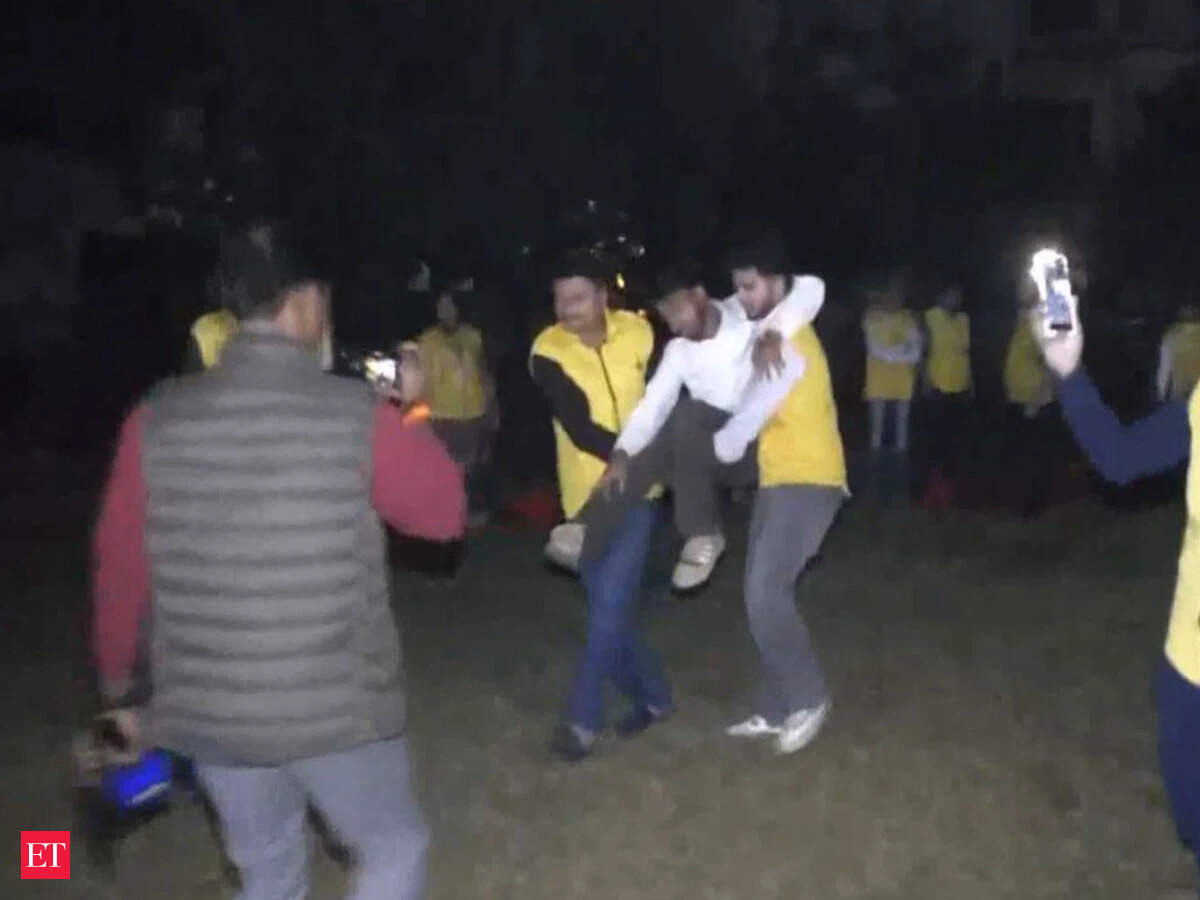
As dusk fell on November 22, 2026, life in India’s most populous state flickered to a halt. Across all 75 districts of Uttar Pradesh, the whine of air raid sirens marked the start of meticulously coordinated emergency drills—a rare state-wide effort to assess readiness for a crisis most hope never materializes.
At precisely 6:00 PM local time, a two-minute warning siren signaled the mock arrival of an aerial threat. Within moments, power authorities triggered temporary blackouts in designated neighborhoods. These rehearsed disruptions, far from panicking residents, had been flagged in advance and met with a communal sense of resolve. The drills were no ordinary bureaucratic exercise—they involved the collective machinery of Civil Defence, police, fire and emergency services, hospitals, and district officials all operating in concert to simulate responses to sudden disaster scenarios.
Chief Minister Yogi Adityanath took direct involvement, overseeing the Lucknow exercise from the Reserve Police Lines and publicly emphasizing the necessity of anticipatory disaster planning. His presence underscored the seriousness with which the government approached the possibility of large-scale emergencies, whether natural or man-made. In Moradabad and smaller districts, similar scenes played out: personnel practiced coordinated movement, activating response protocols for everything from communications breakdowns to hospital surge planning, all under conditions of darkness.
While India’s cities periodically hold disaster rehearsals, such a blanket exercise across an entire state—with millions participating in synchronized actions—was noteworthy in scale. The mock drills followed the government’s earlier participation in national civil defence operations, such as “Operation Abhyaas” in 2025, wherein hundreds of districts tested protocols for mass emergencies. This latest initiative was directed specifically at improving interdepartmental coordination, ensuring that agencies could pivot together under pressure and that communities understood their role in collective safety.
After the exercise, officials convened reviews to scrutinize performance and identify procedural gaps, a step the administration called critical to evolving state emergency blueprints. No major problems were reported during the rehearsals, and authorities credited the population’s compliance for the smooth operation. The Uttar Pradesh government has promised further refinements and more drills in future, as civil defence moves from the periphery of governance to its center in an era of emerging threats.