
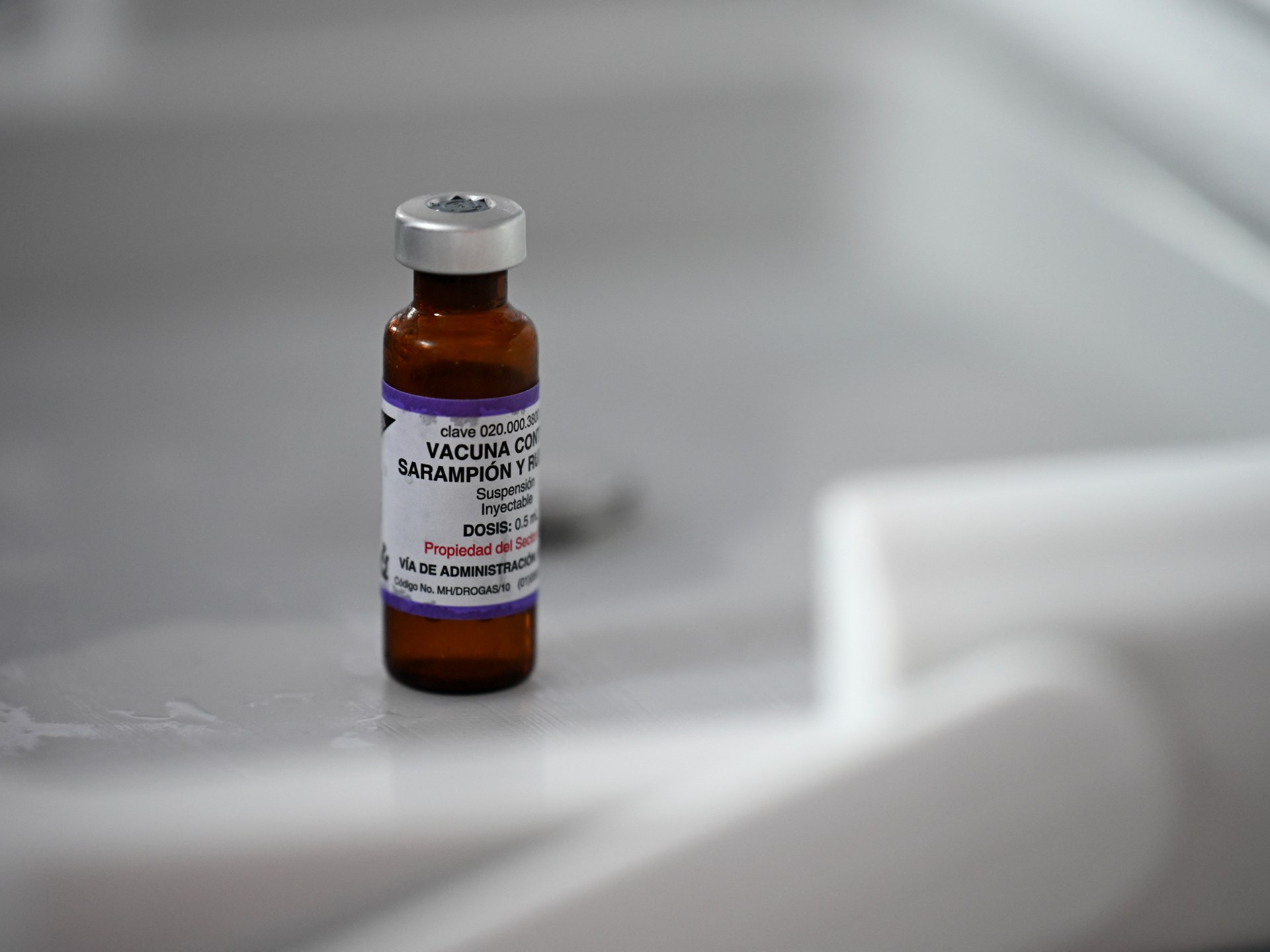
An unvaccinated resident of Clinton County, Pennsylvania has died after contracting measles, health officials confirmed, marking the eighth measles-related death in the state this year. The death, reported on November 19, comes amid the most severe nationwide measles outbreak in more than thirty years.
The United States recorded 5,412 confirmed measles cases as of November 12, 2026, a scale of transmission unseen since 1991. Pennsylvania has emerged as a hot spot, with 1,589 cases across 46 counties so far this year, as confirmed by reporting from Al Jazeera and the Pennsylvania Department of Health.
This latest fatality follows recent deaths of unvaccinated individuals in Montour County earlier this month and in Jefferson County on November 4, underlining the disproportionate toll on residents without immunization. State health data indicates that all eight reported deaths involved unvaccinated individuals.
A Shift in Measles Control Status
For over two decades, the U.S. maintained measles elimination status—a declaration that for at least 12 months, no continuous disease transmission had occurred. That standing was revoked by the Pan American Health Organization on November 14, 2026, after it determined the ongoing, multi-state outbreak had persisted for over a year. The loss of elimination status marks a major setback in U.S. public health efforts, last achieved in 2000 and considered a global milestone at the time.
Vaccine Hesitancy and Statewide Response
Experts and officials attribute much of the current crisis to falling vaccination rates. In 2025–26, only 10 U.S. states reported measles vaccination rates above the 95 percent threshold recommended to suppress outbreaks among kindergarteners. Pennsylvania’s Department of Health has sought to reverse the trend, administering more than 11,500 MMR (measles, mumps, rubella) vaccine doses this year—over 7,200 through pop-up clinics launched since the spring outbreak began.
Authorities continue to urge the public to get vaccinated. The MMR vaccine—proven 97 percent effective after two doses—remains the most reliable defense against measles, which can cause severe complications such as pneumonia and encephalitis, especially in unvaccinated populations.
Ongoing Concerns and Next Steps
With case rates and fatalities rising, health officials are redoubling efforts to combat vaccine hesitancy and ensure equitable vaccine access statewide. The Pennsylvania Department of Health and national agencies are closely monitoring developments, while warning that further deaths and outbreaks are possible without improved immunization coverage.
This developing emergency has prompted renewed calls for communities to adhere to immunization guidelines and for policymakers to address barriers to vaccination—amid growing awareness that diseases once controlled in the U.S. are resurging under the combined pressure of misinformation and uneven health infrastructure.