
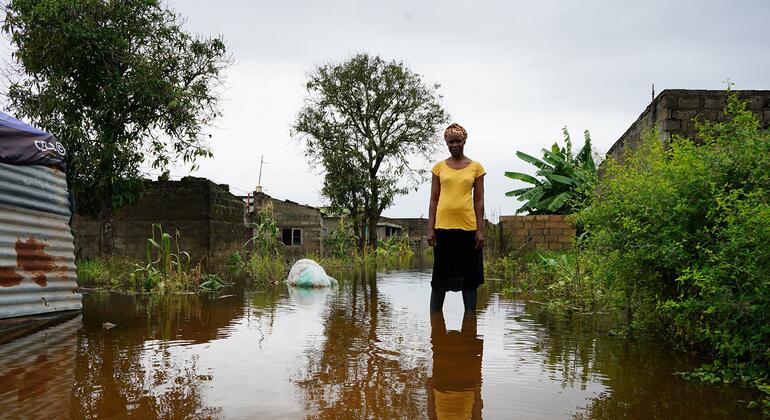
The world’s most vulnerable communities often see aid arrive too late—after a cyclone has passed or a river has burst its banks. At COP31 in Antalya, Türkiye, six United Nations agencies converged to upend this pattern, announcing a joint Disaster Risk Financing (DRF) Platform poised to channel over $3 billion to shield 75 million people worldwide from climate-driven disasters and natural hazards by 2030.
Disaster response funds have typically lagged behind the fast-moving threats they are meant to combat. “Disasters are increasingly predictable, yet the financing needed to act ahead of them remains slow and fragmented,” explained Lisa Doughten, Director of Financing and Outreach for OCHA. The new platform attacks this challenge on multiple fronts: making funding more reliable, leveraging predictive data, and mobilizing both public and private resources so that early warnings trigger life-saving action—before disaster hits, not after.
Already, the initiative claimed early victories. Backed by the World Food Programme’s expertise in insurance, OCHA and UNICEF have instituted new insurance policies that serve as financial safety nets for their anticipatory action programs. These arrangements ensure agencies can tap immediate funds when forecasts warn of coming storms, floods, or heatwaves—a critical shift when multiple emergencies strike within a single year.
The platform’s architecture brings together the Food and Agriculture Organization (FAO), International Organization for Migration (IOM), OCHA, UNICEF, the UN Refugee Agency (UNHCR), and the World Food Programme (WFP). By pooling knowledge and coordinating solutions, they pair cutting-edge predictive analysis with money on standby, increasing the power and efficiency of every aid dollar spent. Crucially, the initiative also involves partnerships with the insurance industry and financial markets, intended to keep costs down as the program expands.
Yet, the venture confronts sobering realities: despite proven benefits, pre-arranged risk financing represents less than two percent of global humanitarian funding—far below levels needed to match the accelerating frequency and scale of crises. This year alone, WFP helped secure $211 million in such finance to protect 9.6 million people across more than 50 countries, but the need continues to vastly outpace available resources.
With tens of millions at risk—including refugees on the frontlines of climate disruption—the unanswered question remains whether the new DRF Platform can galvanize enough global momentum and investment. For now, its launch signals a bid to transform disaster relief from reactive scrambling to resilient, anticipatory action.