
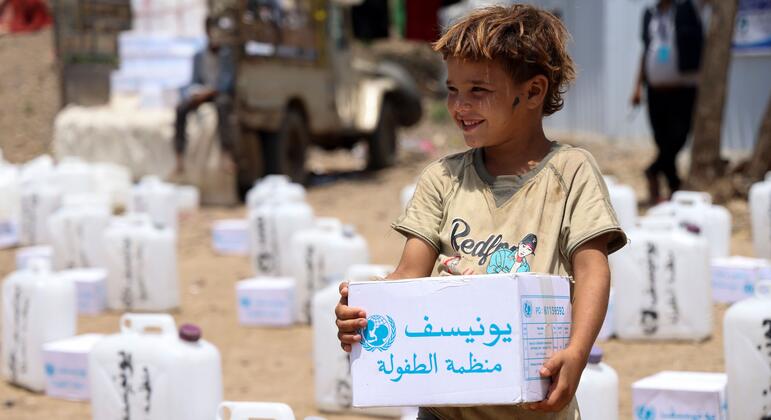
As Yemen’s war grinds into its second decade, the country’s humanitarian catastrophe risks falling further from the world’s attention. UN Under Secretary-General for Humanitarian Affairs, Tom Fletcher, arrived in Yemen on Wednesday and issued an urgent warning: fighting and checkpoints are strangling aid routes and leaving millions hungry—nowhere more acutely than in the besieged city of Taiz.
Years of conflict between Saudi-supported government forces in Aden and Iran-backed Houthi rebels in Sana’a have torn the nation apart, pushing it deeper into crisis, according to Fletcher. Hospitals and first responders have come under attack, while escalated fighting and insecurity seal off roads critical for food and medicine delivery. In a country with millions already malnourished, those obstructions amount to a death sentence for many.
Deterioration has accelerated in recent months, with roughly 364,000 Yemenis displaced since August and tens of thousands more forced from their homes this past week alone. Fletcher underlined that the international aid machinery is now stretched to its breaking point due to severe financial shortfalls, leaving field workers to operate in hazardous and often life-threatening conditions. He called for global donors to urgently step up support to stave off deeper disaster.
Immediate priorities outlined by the UN chief focus on securing safe, consistent humanitarian access to frontline communities. Taiz, encircled and deprived for years, remains the most urgent concern. The current emergency response, tasked with reaching an estimated 87 million people, is, in Fletcher’s words, ‘furthest off track’ in Yemen, as insecurity and attacks paralyze relief operations.
Beyond access, Fletcher addressed another pressing issue: the detention of humanitarian workers by Houthi forces. He demanded the immediate and unconditional release of UN colleagues and other staff, stressing the need to protect aid personnel and ensure their ability to work without fear. This follows revelations that a Yemeni UN human rights employee, Mohammad el Shami, died after more than two years in Houthi detention. As of October, 71 UN staff remained held, many suffering from serious health conditions and at heightened risk, prompting repeated international condemnation.
While global coverage of Yemen’s war has waned, the crisis on the ground only worsens—underscoring Fletcher’s warning that the world cannot allow Yemen’s people to slide off its radar. The degree to which the international community heeds this call, and whether urgent access can be secured for both aid and detainees, remains uncertain as needs keep multiplying.