
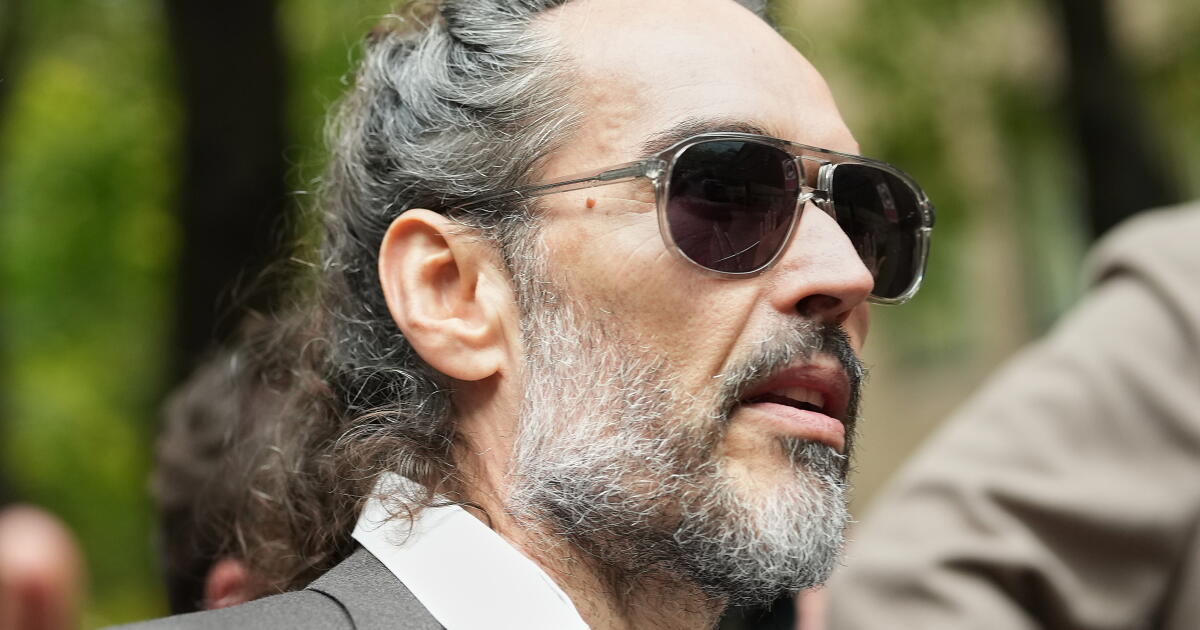
Russell Brand’s recent public denial of rape and sexual assault convictions from within prison has triggered a government investigation in the UK, as further allegations and debate swirl around the high-profile case.
Brand, a prominent British comedian and actor, was sentenced on November 9, 2026, to ten years and six months following his conviction on one count of rape and three counts of sexual assault. The jury at Southwark Crown Court acquitted him on two additional rape charges and an attempted indecent assault after a high-profile three-week trial. The offences in question, committed between 2004 and 2009, were found to have involved four women, including the rape of a 21-year-old he met at a comedy show.
Throughout the proceedings, Brand steadfastly maintained his innocence, claiming all sexual contact was consensual. His wife, Laura Gallacher, issued a public video message following the sentencing, expressing continued faith in his innocence and appealing to their supporters. Most recently, Gallacher read out a statement from Brand on their podcast in which Brand continued to reject the verdicts, telling listeners, “I am not guilty of the offences I have been jailed for, so something strange is happening.”
This media outreach from inside prison has drawn swift government attention. UK authorities have launched an investigation to determine whether Brand violated prison rules, which bar prisoners from making statements via media that could distress victims. The Ministry of Justice has not yet confirmed the potential consequences for such an infraction.
Brand is currently serving his sentence at HM Prison Littlehey, a facility known for housing sexual offenders. Legal experts note that Brand retains the right to appeal, though no formal action has been taken to initiate the appeal process.
The case comes amid a wider reckoning within the entertainment industry over historic sexual misconduct. Brand’s conviction has sparked comparisons with the Harvey Weinstein case and renewed calls for industry-wide reforms to better protect victims and address what campaigners identify as a longstanding culture of silence. The verdict has, according to several reports, also prompted at least six more women to come forward with new allegations of sexual misconduct and predatory behavior by Brand.
As the justice system and public opinion continue to grapple with the implications, pressure mounts on the entertainment sector to implement more robust accountability and support mechanisms. At the same time, Brand’s ongoing denials and prominent platform sustain an ongoing controversy that exposes lingering challenges in balancing the rights of the accused, victims’ protection, and the responsibility of public institutions.