
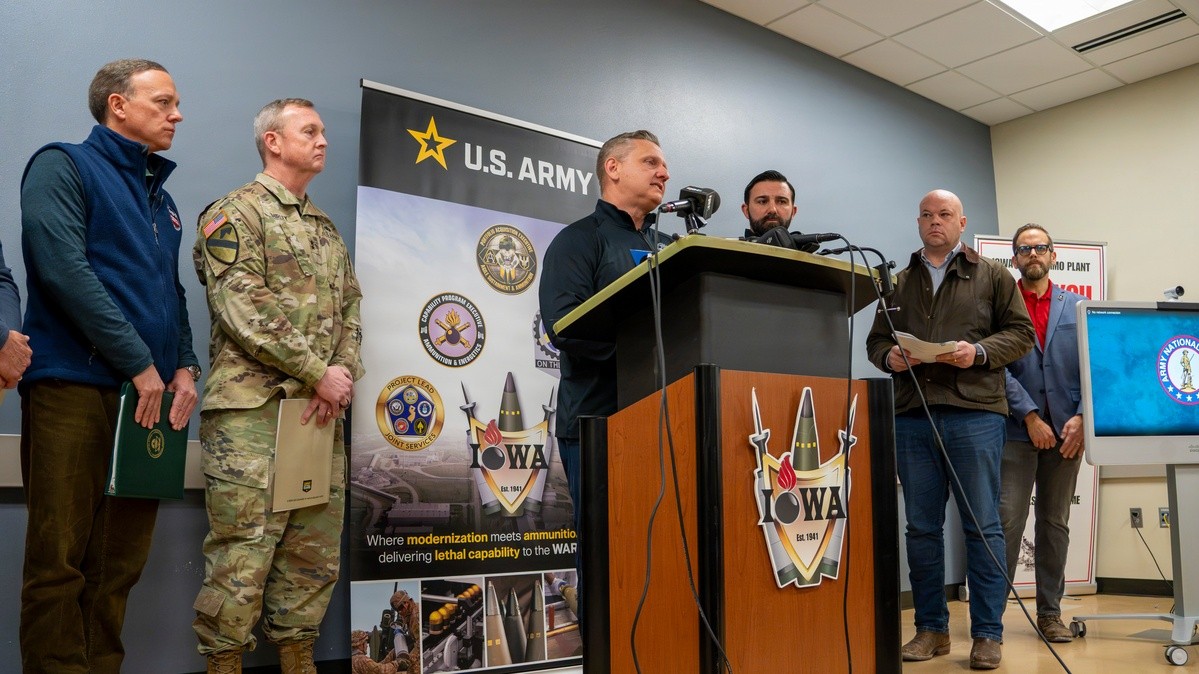
Faced with the prospect of a catastrophic accident, the U.S. Army undertook a high-stakes controlled detonation on November 25, 2026, destroying nearly five tons of dangerously degraded lead azide stored for decades at the Iowa Army Ammunition Plant in Middletown. The operation, led by military explosive experts and coordinated with several federal agencies, has so far averted an immediate disaster and sparked new debates about safety protocols and transparency in hazardous material management.
The explosive, a primary ingredient in detonators, had been kept in 68 drums at the facility for over twenty years. Over time, the material degraded and “crystallized”—a process experts warned made it hypersensitive to the slightest friction, vibration, or temperature shift. The Army determined in recent months that no method short of an in-place detonation could eliminate the risk of a spontaneous explosion, citing consensus by technical experts from federal agencies including the Bureau of Alcohol, Tobacco, Firearms & Explosives and the Environmental Protection Agency (EPA).
“There is consensus across the experts, across the country, that a controlled, mitigated detonation of the lead azide here at Iowa Army Ammunition Plant is far preferable to an uncontrolled, spontaneous detonation of that substance,” said Adam Telle, Acting Secretary of the Army, in a press conference on the eve of the operation, according to an Army statement.
The detonation took place around 9:00 a.m. CST, with a large blast echoing from the facility while special foam blocks, water tanks, and gel barriers were deployed to absorb the blast and limit emissions. The Army, in coordination with the EPA and other federal partners, oversaw a five-mile evacuation cone extending southwest from the plant, with emergency alerts instructing residents to relocate or shelter indoors in advance.
Shortly after detonation, the EPA reported that air monitoring in the evacuation zone detected no abnormal increases in airborne lead, findings that were unchanged in the hours following the blast. However, environmental groups have called for further, long-term soil and water testing, citing fears that any residual contamination could impact farmland or waterways in the rural region.
The detonation was made possible only after a series of tense legal and political negotiations. Citing the urgent safety risks, a federal appeals court granted emergency clearance earlier in the week despite environmental lawsuits and initial objections from President Donald Trump, who paused the detonation pending input from Iowa’s governor-elect. Ultimately, an interagency consensus and court order moved the plan forward under emergency powers.
Lead azide’s vulnerability had been noted in Army reports for months. According to Colonel Aaron Teller, commander of the 71st Explosive Ordnance Disposal Group, accumulated crystals rendered the barrels unsafe to even move—a finding that nixed proposed chemical neutralization or removal.
As local residents await official word on when it is safe to return, federal agencies are continuing to monitor and analyze samples from the air, soil, and water around the site. The Army has pledged transparency and community updates as more results are confirmed. Still, for many in Middletown and the surrounding region, the day leaves lingering questions about how thirty years of explosive storage culminated in an operation of this scale, and what safeguards will be put in place to prevent similar emergencies in the future.