
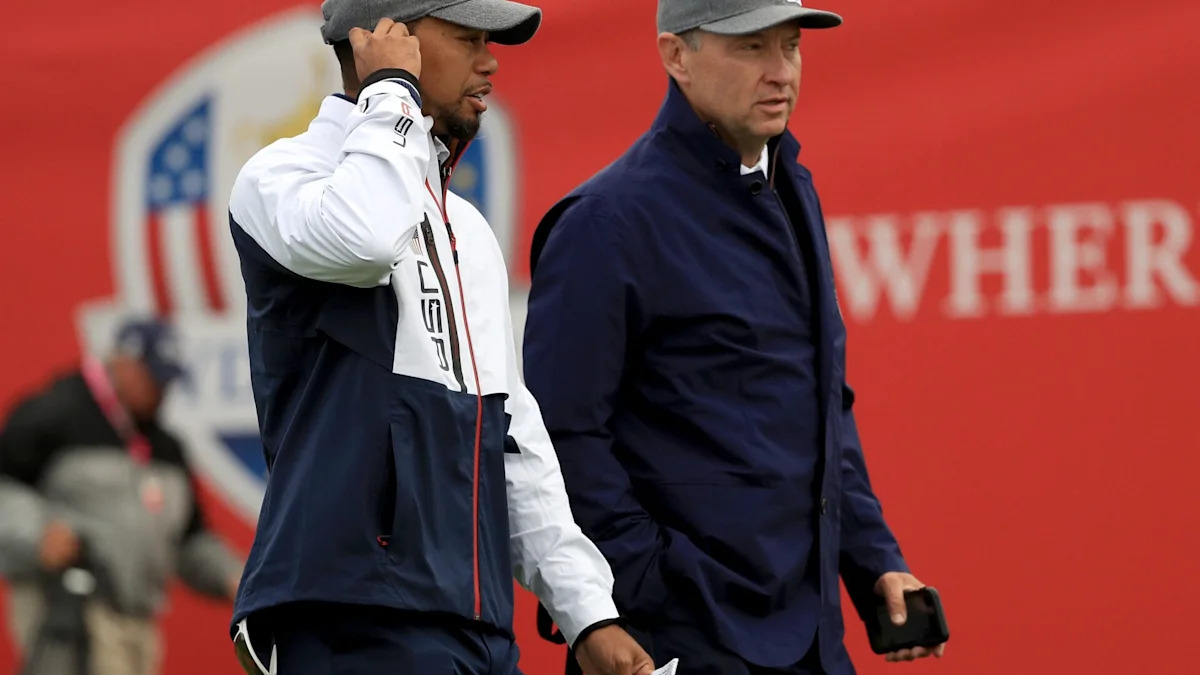
Legendary golfer Tiger Woods is set to re-enter the competitive golf circuit at the Hero World Challenge this December in the Bahamas, marking his first formal tournament appearance since The Open at Royal Troon in July 2024. The much-anticipated return comes after a spell of turmoil including a high-profile car accident and a period dedicated to recovery and personal rehabilitation.
Woods’ absence has been felt keenly across the sport. Davis Love III, a former Ryder Cup captain and influential PGA Tour figure, likened Woods’ return to Michael Jordan’s famed NBA comeback. “In PGA Tour talks… the best thing for the PGA Tour… is for Tiger Woods to play,” Love said, underscoring Woods’ pivotal impact on golf’s stature and appeal.
A Comeback Shaped by Adversity
The path to Woods’ latest comeback has been far from straightforward. A March 2026 incident in Jupiter Island, Florida, saw him involved in a single-car crash resulting in his arrest on suspicion of driving under the influence. Woods subsequently announced a temporary withdrawal from professional play to seek treatment and focus on his health. Despite the severity of the incident—and a history dotted with back surgeries and recent ankle fusion—Woods performed in the TGL Finals Series in March 2026, representing Jupiter Links in a visible if limited return to competition.
This grit has defined Woods’ career. Even as he worked through “the hard and painful work” of physical rehabilitation, according to interviews in April 2024, Woods maintained his ambition to compete at the highest level. His perseverance continues to inspire players and the wider public alike.
PGA Tour at a Crossroads
Beyond the fairways, Woods’ influence is also institutional. As chairman of the PGA Tour’s Future Competition Committee—formed in August 2025 to reimagine the professional schedule—Woods has played a prominent leadership role during a period of flux for elite golf. “I think that in the end we’re going to have a product that is far better than what we have now for everyone involved,” Woods stated, hinting at extensive changes aimed at strengthening the Tour’s competitive landscape.
The committee’s efforts take on new urgency as the landscape shifts under the influence of rival circuits like LIV Golf, which Davis Love III recently cited as disruptive to established norms such as Ryder Cup captain priorities and selection pipelines. “It threw off our order of captains… It obviously affected Europe more than us in terms of understanding who was going to get to play,” Love said, emphasizing the ongoing ripple effects within the game’s highest echelons.
Implications for the Game
Woods’ anticipated competitive revival is already generating excitement about both his own prospects and broader PGA Tour viewership. If successful, it could galvanize traditional events and provide much-needed focus amid external pressures and internal reforms. The senior PGA Tour Champions circuit stands ready to welcome Woods should he choose to transition in 2027, with Stewart Cink describing the potential arrival as equally beneficial for Woods and the tour.
While Woods has not publicly committed to returning to The Masters or outlined a definitive calendar for future major tournaments, his leadership behind the scenes—paired with his renewed presence on the course—forms a potent combination. As strategic conversations about the sport’s future intensify, Woods remains both a symbolic and practical catalyst for change, his story once more entwined with the fate of golf itself.