
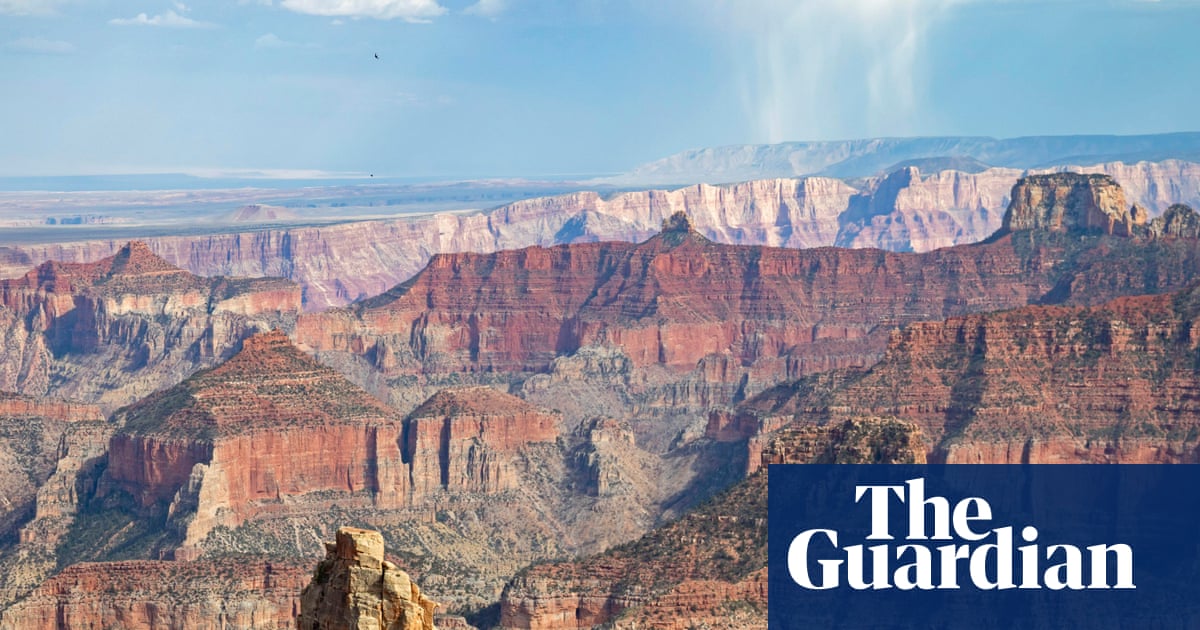
All three occupants of a small private plane perished after their aircraft went down on the North Rim of Grand Canyon National Park on the evening of November 15, 2026. According to multiple sources, including federal officials and national news reporting, the Piper PA-24 Comanche struck rugged terrain at about 7:15 p.m. local time, setting off an intensive overnight search effort.
The Piper PA-24, a single-engine touring aircraft, was reported missing late that night when it failed to arrive as planned. At approximately 11:30 p.m., the Grand Canyon Regional Communications Center was notified of the overdue flight, initiating a coordinated search. Poor visibility and the remote, high-altitude terrain—between 8,000 and 8,800 feet above sea level—posed significant challenges for responders. Aerial crews using night vision and infrared technology located the wreckage and debris field by 10:15 a.m. the next day in a rugged area known as the Basin.
Officials confirmed there were no survivors. The three victims—whose identities have not yet been released in deference to their families’ privacy—were pronounced dead at the scene. The Guardian, CBS News, and other major outlets corroborate the casualty total, with authorities declining to identify those killed until next of kin have been notified.
On November 17, a National Transportation Safety Board (NTSB) investigator was expected to arrive for a preliminary on-site review and to oversee the recovery of the aircraft’s remains. The Federal Aviation Administration and National Park Service are assisting. As of this early stage, no official cause has been identified. Initial reports indicate that conditions around the Grand Canyon at the time of the crash were neither windy nor rainy, but detailed weather data for the area has not yet been made public.
Aircraft crashes within Grand Canyon National Park are rare, with fewer than ten reported in the past four decades and only a handful resulting in fatalities, according to aviation safety databases. The rugged, isolated nature of the North Rim region often makes recovery and investigation especially challenging, and the ongoing review is expected to take months. The NTSB plans to release a preliminary report within thirty days, but a full determination of probable cause may not be available for up to two years.
The flight’s route, point of departure, and the full sequence of events leading up to the accident remain unclear. As investigators probe the circumstances that led to this fatal crash, the region’s remote geography and the tragic loss of life have drawn a fresh spotlight on the persistent challenges of flying over one of the country’s most awe-inspiring—yet demanding—landscapes.