
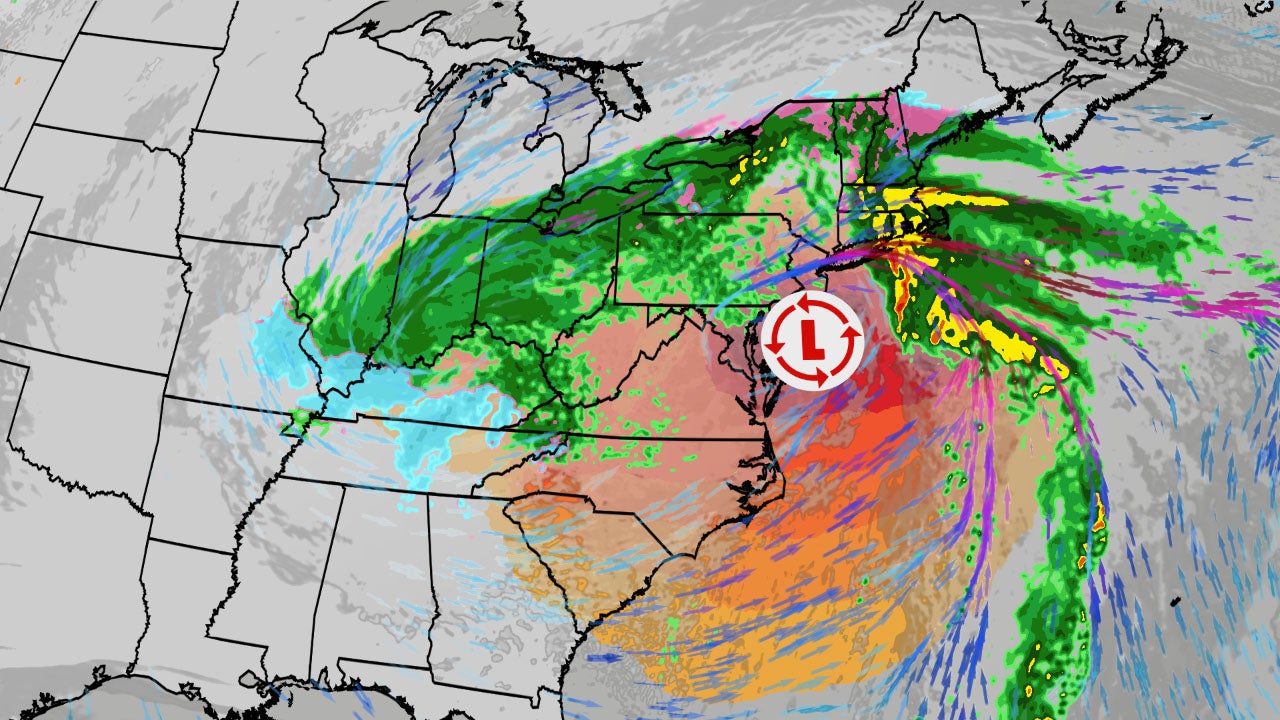
A major coastal storm is set to batter the eastern United States as Americans prepare for Thanksgiving, with forecasters warning of severe weather impacts including flooding, damaging winds, and heavy snow in parts of the Midwest. The timing is expected to coincide with one of the busiest travel periods of the year, raising concerns about widespread delays and danger on the roads and in the air.
Storm Track and Timing
The storm is intensifying over the Southeast and is expected to move quickly northward along the Eastern Seaboard, arriving in the mid-Atlantic states and New England late Wednesday into Thanksgiving Day, according to multiple meteorological forecasts (weather.com).
Heavy rainfall will impact a broad swath from Georgia and the Carolinas to New England, with rainfall totals of 1 to 4 inches across much of the region. Locally heavier downpours are possible, particularly in eastern North Carolina and southeast Virginia, prompting concerns over flash flooding in urban and low-lying areas. Rain is expected to continue moving north through Thanksgiving Day before tapering off in northern New England by Friday.
Severe Winds and Coastal Flooding
Meteorologists are forecasting wind gusts of up to 60 mph along the coastlines from Virginia to New England, with the potential for power outages and downed trees. Coastal communities face elevated risk of flooding due to a combination of strong onshore winds and king tides occurring with the full moon, leading to moderate to major flooding in vulnerable areas (weather.com).
Snow Expected in Midwest, Travel Disruption Looms
While the East Coast contends with rain and wind, the Midwest—particularly eastern Missouri and southwestern Illinois—could see more than six inches of heavy, wet snow. The snowfall threatens hazardous road conditions for local travelers and could exacerbate regional travel disruptions already worsened this season by infrastructure concerns and recent technical glitches in airport systems (UPI).
Uncertainty and Ongoing Risks
The exact track and intensity of the storm remain uncertain as it continues to develop, which could determine the scale and location of its most severe impacts. National Weather Service officials and local emergency agencies are urging residents and travelers to monitor forecasts, stay alert for potential rapid changes, and heed local advisories to safeguard against sudden floodwaters, hazardous winds, or storm-related disruptions.
This Thanksgiving storm is notable for its combination of hazards hitting densely populated travel corridors, amplifying risks for millions striving to reunite with family. Authorities stress preparing for possible power interruptions, transportation delays, and the potential need to alter travel plans on short notice as the situation evolves through the holiday period.