
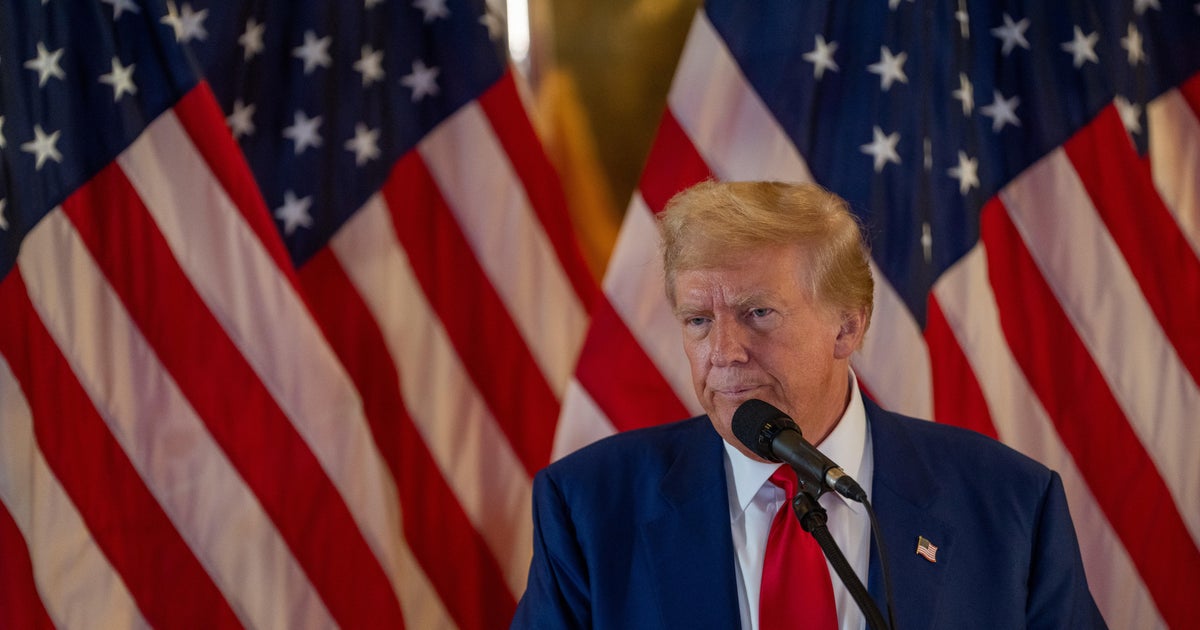
In July 2024, the U.S. Supreme Court delivered a landmark decision in Trump v. United States, ruling that former presidents are broadly immune from criminal prosecution for actions taken in their official capacity. The ruling—hailed by some as an essential protection of the presidency, and condemned by others as a dangerous expansion of executive power—has since generated intense legal, political, and public debate that continues to reverberate through the nation’s institutions.
An Unsettled Landscape
The decision, issued in Washington, D.C., clarified that presidents cannot be prosecuted for official acts even after leaving office, drawing a sharp line between protected and unprotected conduct. However, the Court left ambiguous where official duties end and personal actions begin, leaving legal scholars and lawmakers sifting through implications for future presidents and those tasked with holding them accountable.
Legal experts, as noted by CBS News and others, widely agree that the Supreme Court’s ruling shields former presidents from legal jeopardy related to their exercise of official powers, while still permitting legal action for purely private conduct. But its practical limits remain the subject of legal scrutiny and speculation, especially given the evolving nature of presidential responsibilities.
Congress Faces New Hurdles
In the wake of the ruling, Democratic lawmakers have signaled intentions to investigate actions taken by former President Donald Trump during his time in office. These efforts, however, now confront new legal constraints: any action deemed an “official” presidential act benefits from immunity, raising questions about the effectiveness of congressional inquiries or even potential criminal investigations moving forward.
While some members of Congress have urged new legislation to clarify or narrow presidential immunity, no major legislative proposals had made significant progress by late 2026. The Supreme Court’s decision complicates both oversight and investigatory powers—a development of particular concern to those worried about potential presidential misconduct escaping scrutiny after a term ends.
Public Discourse and Legal Uncertainty
The American public remains sharply divided over the merits of the ruling. For supporters, the decision is a vital safeguard, ensuring that presidents can perform their constitutional duties without fear of endless retribution after leaving office. Critics, meanwhile, argue that it weakens the democratic principle of accountability, making it more difficult to check abuse of executive authority.
Legal analysts continue to explore not only the ruling’s immediate impact but also its longer-term ramifications. Questions persist about whether the ruling could embolden future presidents to stretch the boundaries of their official powers in ways that might previously have invited criminal scrutiny. Comparative scholars have noted that other democracies handle executive immunity differently, suggesting the U.S. path is far from universal.
Prospects for Reform
Ideas for congressional legislation or even constitutional amendments to limit presidential immunity have been floated but remain in the discussion stage. If any reform does emerge, it will have to navigate a sharply polarized climate of legal opinion and public trust in government institutions.
Meanwhile, educational institutions have begun incorporating analysis of presidential immunity and its consequences into curricula, aiming to shed light on the increasingly complex balance between executive power and accountability. Whether these efforts will foster consensus on the limits of presidential authority remains to be seen.