
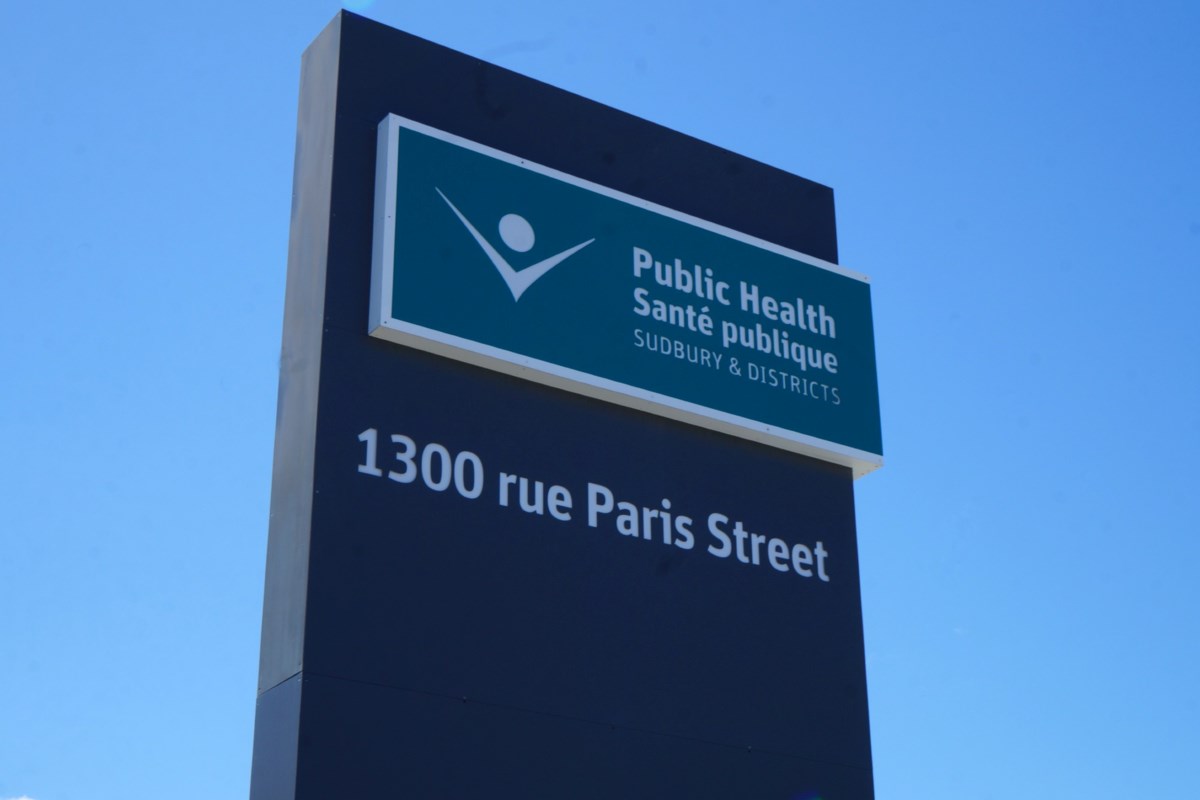
Public Health Sudbury & Districts has greenlit a $32.8 million operating budget for 2027, marking a 2.4% increase over the previous year as the public health unit grapples with surging local health challenges and restrained provincial funding. The budget, endorsed by the Board of Health on November 12, comes as the agency faces persistent demands from the toxic drug crisis, youth mental health concerns, climate-related public health risks, and combatting vaccine misinformation.
This year’s budget hike falls below Canada’s most recent inflation rate of 3.1%, reflecting ongoing fiscal pressure. While the province provided just a 1% bump in base funding—amounting to an additional $189,109 for 2027—member municipalities will shoulder $12.4 million, increasing their contributions by nearly 5%. To bridge service gaps and support technology-driven improvements, the board authorized a one-time draw of up to $1.2 million from reserve funds, with the aim of streamlining operations and maintaining a visible community presence.
Adapting to Modern Health Pressures
The approved budget allocates resources across four primary operating divisions: health promotion and vaccine-preventable diseases, corporate services, health protection, and knowledge and strategic services. Notably, investments in technology are set to rise by over 15%, with $1.91 million earmarked for enhancing service delivery through artificial intelligence and automation. Such investments underpin the health unit’s response to workforce capacity pressures and the need for greater efficiency amid staffing costs that constitute 85% of operating expenditures—a figure boosted 3.19% in part by recent collective bargaining agreements and salary step increases.
Reserve Funding Balances Risk
Drawing on reserves brings some risk: after the allocation, Public Health Sudbury & Districts will have roughly 10 weeks of operating cash flow, below its target of 12 weeks but still ahead of the Ministry of Health’s minimum recommended threshold. Despite the budgetary constraints, health officials say the commitment to safeguarding both service quality and access remains firm.
This strategy, officials say, is essential as local and region-wide health needs intensify without commensurate funding increases at the provincial level. Municipalities have consistently been called to fill the gap, prompting budget hikes similar to last year’s approved 3.2% increase. The unit’s focus for 2027 remains on deploying its resources effectively to strengthen prevention, outreach, and support for residents facing evolving health risks.
As the new budget year approaches, Public Health Sudbury & Districts will continue monitoring the fiscal and health landscape, adapting service strategies to meet community needs wherever possible, while remaining mindful of constraints on public resources.