
On Sudan’s battered landscape, drones now do the work that bombs and bullets once claimed—the destruction of daily life. The country’s key infrastructure reels under near-daily long-range strikes, with UNICEF reporting that in just October, as many as 15 power stations were hit by drones capable of crossing vast stretches of desert—sometimes up to 1,500 kilometers—before unleashing explosive force.
Each strike buckles the support system that millions of Sudanese depend on. Water pumps stop, treatment plants fall silent, and families are driven to unsafe alternatives simply to drink or bathe. According to UNICEF spokesperson James Elder, not a single day passed without a drone strike on a power hub in the last week of October. “One would struggle to think if it was in the interest of the SAF, of Government, to do that,” Elder observed, underlining the opacity shrouding the perpetrators behind these new waves of destruction.
The Children on the Frontlines
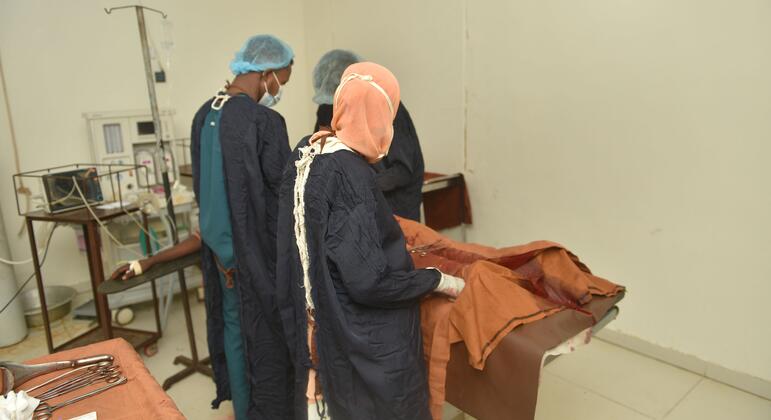
Once, certain towns offered refuge. Now, no place is spared. Elder recounted meeting Buri, a teenager from embattled El Obeid, who lost both his hands in an explosion. He copes in a tent with stumps, learning online in the mornings, collecting grass with the help of friends in the afternoon—one of countless young victims of the evolving war. UNICEF now calculates that two out of every three children killed this year in Sudan have died from armed drone attacks, a shift that has made even previously safe zones perilous.
Aid at a Breaking Point
The violence has not ebbed amid the ongoing battle between the Sudanese Armed Forces (SAF) and the Rapid Support Forces (RSF). More than 15 million people remain displaced and adrift. The campaign against energy and water infrastructure now brings the long shadow of drought as well: in places where drone-borne fire leaves water pumps useless, crops are withering. Farmers, relying on expensive generators during a fuel shortage, cannot keep the fields alive. Food prices spiral upward, receding further from the reach of ordinary families. Meanwhile, malnutrition mounts—UNICEF projects 825,000 children under five to suffer its most lethal form this year. Outbreaks of disease, including cholera, threaten where water systems are shattered and the cold chain for vaccines is faltering.
UNICEF and its partners have managed to treat hundreds of thousands of malnourished children, provide healthcare to over 2.5 million people, and switch some water systems to solar so safe drinking water can still flow for nearly eight million. However, with multiple emergencies colliding, the agency’s ability to maintain these lifelines is flagged as being “at breaking point.” Elder’s warning is clear: “Resilience cannot run on goodwill alone.” UNICEF’s operations are currently only one-third funded.
The unanswered question looms: As drone warfare increasingly defines Sudan’s conflict, and the country’s core services continue to collapse, will relief reach those teetering between deprivation and disaster before the cycle—or the funding—breaks entirely?