
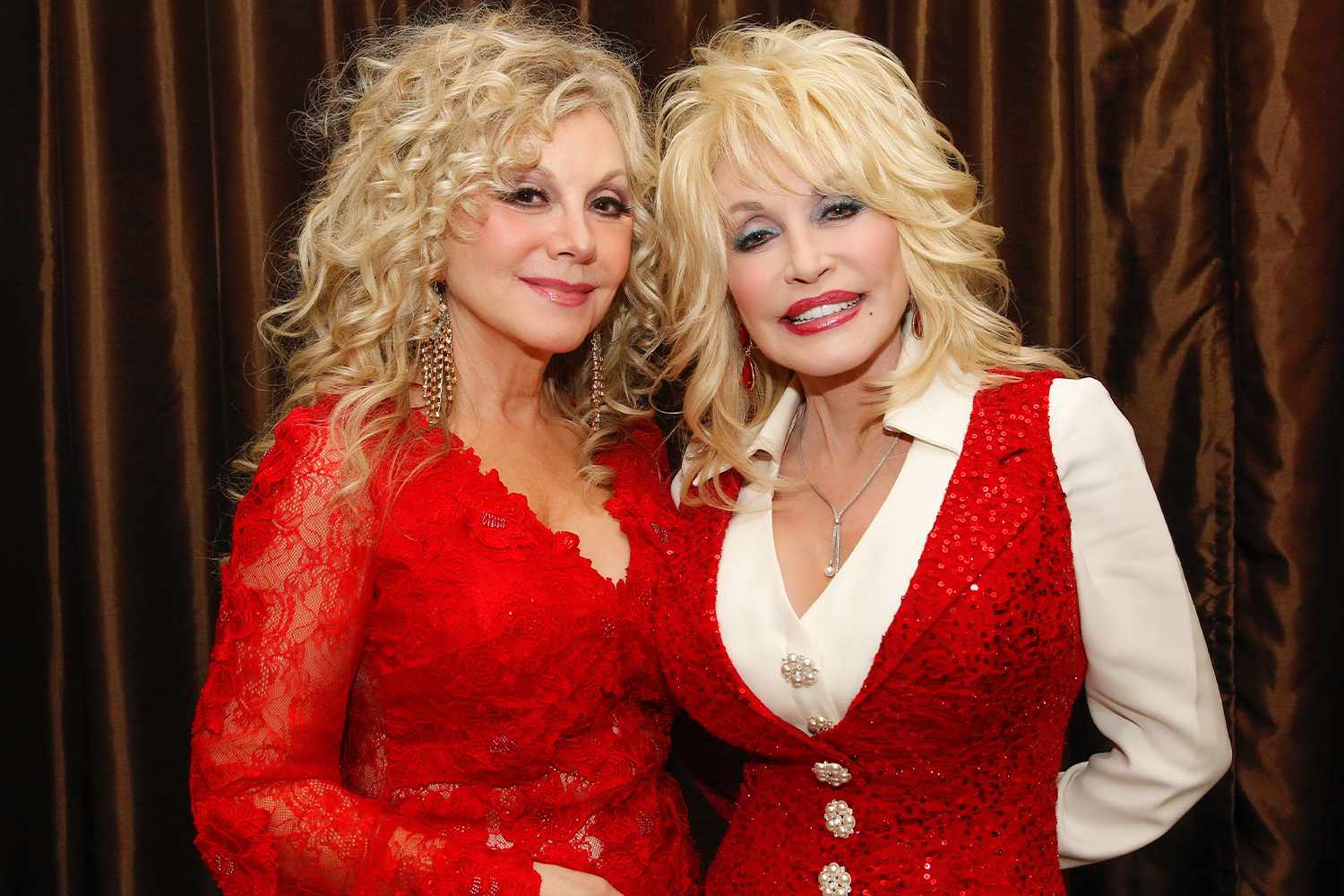
Dolly Parton’s passing on August 25, 2026, at age 80, marked the end of an era in country music and global pop culture. Her sister, Stella Parton, has revealed personal insights into Dolly’s final days, painting a portrait of a fiercely independent artist who managed her legacy and final moments on her own terms.
According to Stella, Dolly intentionally withdrew from family in her last months, wanting to spare loved ones from witnessing her physical decline due to cancer. Yet, the sisters maintained their cherished tradition of Tuesday morning phone calls, even as Dolly underwent treatment in Germany. Those calls, Stella says, were moments of connection, optimism, and support. In their final conversations, Dolly asked for prayer—a reflection of her enduring faith and the spiritual ties that defined their relationship (AOL UK).
Dolly’s preference for privacy shaped her final months, with her cancer diagnosis disclosed only to a small circle of family. Despite waning health, she continued to engage in music, recording what would be her last performance—a duet with U2 titled “Torn”—in June 2026, which was released after her death (LouderSound).
In the days after her death, Dolly was entombed beside her husband in the mausoleum at Nashville’s Woodlawn Memorial Park, following a private funeral service. The loss has been deeply felt by the Parton family, particularly Stella, who has lost five siblings over the last eight years. She notes that grief is a personal process, one they will each navigate in their own time.
Dolly’s legacy remains visible on the world stage. She attracted three posthumous Grammy nominations for 2027, evidence of her enduring influence. Tributes have poured in from fans and artists worldwide. At the 2026 Country Music Association Awards, Dolly’s niece Danielle honored her by wearing a rhinestone-embellished white dress originally made for the singer—a tangible signal of the personal and cultural loss felt by family and music communities alike.
Stella recalls her sister as an unyielding force of creativity and optimism, qualities that are now immortalized in Dolly’s music and in the hearts of those she touched. As tributes continue, the Parton family faces a future marked by both Dolly’s absence and a powerful, celebrated legacy.