
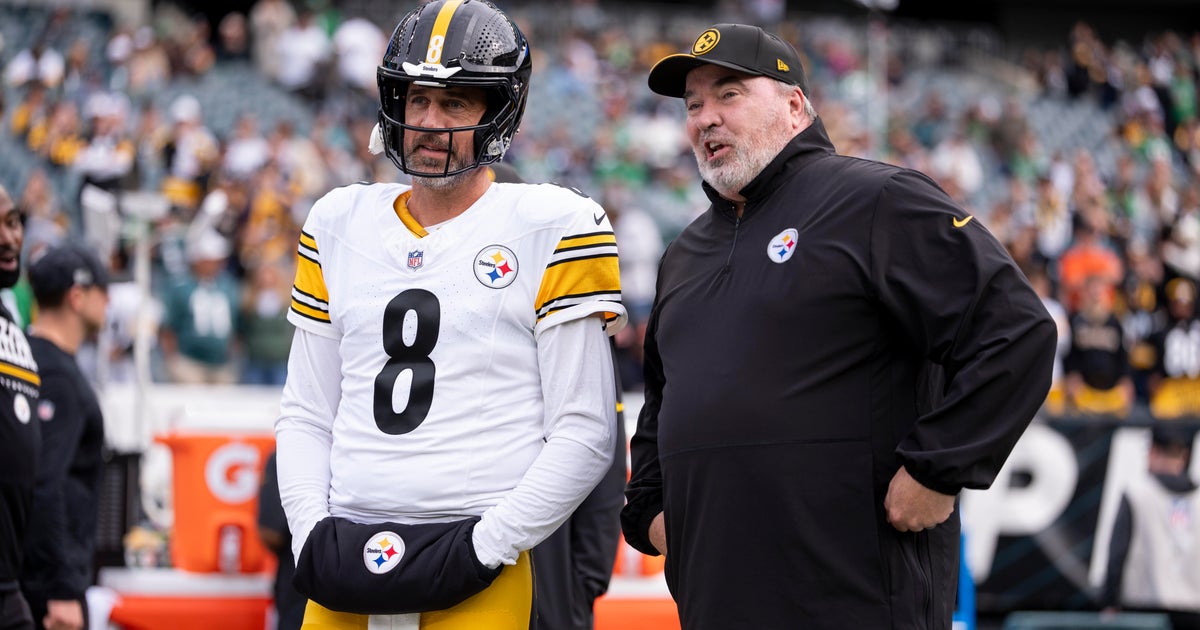
The Pittsburgh Steelers abruptly released veteran quarterback Aaron Rodgers on November 25, 2026, one day after the Super Bowl-winning passer publicly accused head coach Mike McCarthy of unprofessional conduct. The move ends Rodgers’ high-profile but short-lived second stint with the Steelers, and thrusts both the storied franchise and the future Hall of Famer into uncertain territory as the NFL season enters a critical phase.
Fallout from Public Criticism
The sequence began with the Steelers’ November 22 loss to the Philadelphia Eagles, after which the team announced Rodgers would be benched for the upcoming game against the Denver Broncos in favor of backup Mason Rudolph. On November 25, Rodgers appeared on ESPN’s “The Pat McAfee Show” and alleged that McCarthy had fallen asleep during team meetings and missed sessions—a personal public censure leveled at the coach with whom Rodgers had previously achieved Super Bowl glory during their 13-year partnership in Green Bay.
Soon after those comments were broadcast, the Steelers confirmed Rodgers’ release. While the team cited “internal matters” and did not elaborate on the cause, the sequence and timing strongly suggest the public airing of grievances was a catalyst. McCarthy, who only recently reunited with Rodgers in Pittsburgh following Mike Tomlin’s departure, has not yet issued a public response to the allegations as of November 26.
Rodgers’ Pittsburgh Tenure—and an Uncertain Future
Rodgers, who signed a one-year deal with the Steelers in May for up to $25 million, started 10 games in 2026, compiling 2,241 passing yards, 16 touchdowns, and six interceptions. Though intermittently productive, the Steelers’ offense struggled to find consistency, and the benching suggested mounting internal friction even before Rodgers’ public comments.
The end in Pittsburgh marks another dramatic chapter in a career of nearly unmatched achievement and controversy. Over 22 seasons, Rodgers started 267 of 274 games, racking up more than 68,000 passing yards and 543 touchdowns. Following his release, Rodgers is immediately a free agent: he may either seek to continue his playing career elsewhere or consider retirement, though he had previously hinted the 2025 campaign might be his last. The Steelers, meanwhile, have shifted to Mason Rudolph as starting quarterback and offered no timeline for making permanent decisions about their quarterback depth chart.
Sour Reunion, Lingering Questions
Rodgers’ public rebuke of McCarthy was made more dramatic by their shared history. The pair worked together for over a decade in Green Bay, winning Super Bowl XLV. Their reunion in Pittsburgh was initially greeted with optimism but ultimately proved combustible. While team officials have refused to give detailed reasoning behind the move, media coverage and the chronology indicate Rodgers’ interview and accusations played a decisive role.
The Steelers’ terse statement stressed a focus on “what’s best for the team,” but left open questions about internal dynamics—particularly the veracity of Rodgers’ claims and the leadership style of McCarthy, who remains silent on the matter. For now, Rodgers’ next step—and whether another NFL franchise will gamble on his experience and baggage—remains undecided as the football world waits for his response.