
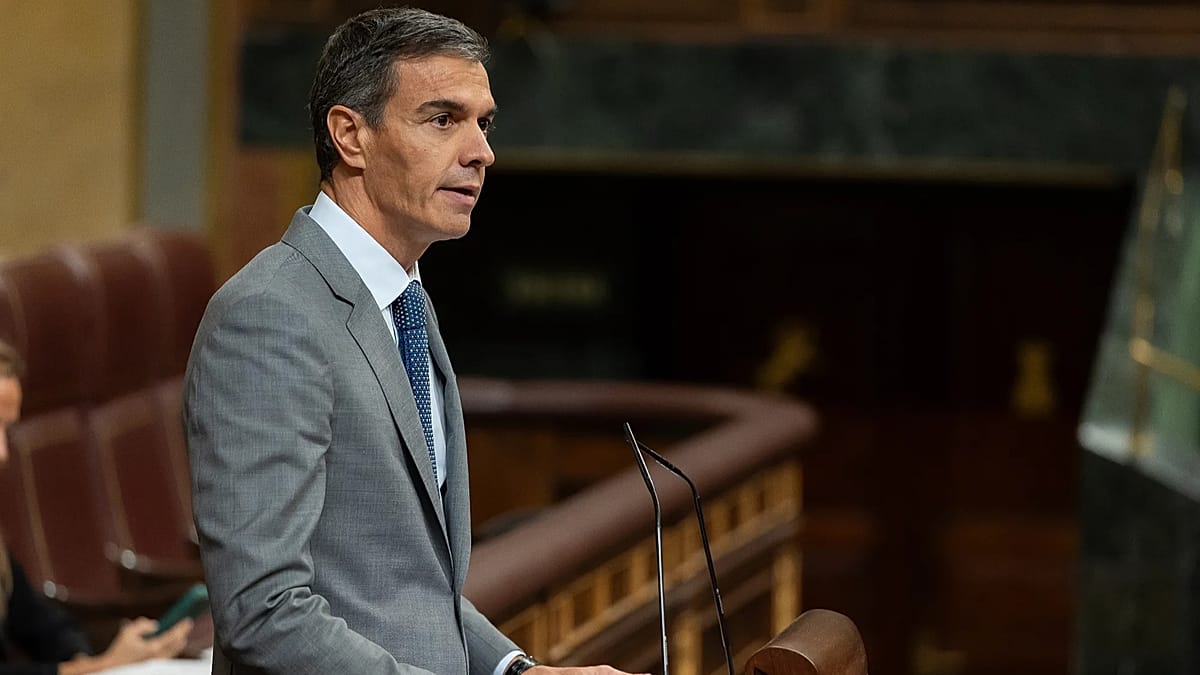
Spain is heading toward a consequential general election on November 29, 2026, after Prime Minister Pedro Sánchez dissolved Parliament and called a snap vote, citing the government’s defeat on two critical housing reform decrees. The announcement, made on October 5, plunged Spanish politics into fresh turmoil, setting the stage for a high-stakes contest colored by social discontent and economic anxiety.
The immediate cause of the election was Sánchez’s failure to secure backing for urgently needed housing policies, including measures aimed at curbing soaring rents and providing relief for millions of struggling tenants. Parliament’s rejection of the government’s decrees sparked a wave of public unrest, culminating in a national strike on November 11—the first of its kind in Spain in 14 years. According to reporting by Le Monde, the walkout highlighted mounting frustration over housing affordability and declining purchasing power, with rents up nearly 23% over the past decade and more than three million renters now spending over 30% of their income on housing.
Polling suggests that the opposition Partido Popular (PP) and far-right Vox are positioned to gain the most from public disenchantment with the Socialist-led government. Projections cited by Cadena SER indicate the PP could capture around 128 seats and Vox up to 62, figures that, if realized, would put Spain on the threshold of its first far-right-inclusive government since Francisco Franco’s dictatorship. Whether this coalition will secure an outright majority remains unclear; analysis from The Guardian notes that the possibility of a minority government or new coalition talks remains live should the numbers fall short.
Beyond domestic divides, the outcome of the election could reshape Spain’s role in Europe and its relationship with key allies, including the United States. As the Atlantic Council and international analysts note, policy on migration, military spending, and engagement with Latin America may shift dramatically, depending on the new government’s configuration and orientation.
The political uncertainty has deepened in the wake of recent shocks, including a deadly high-speed train collision near Madrid on October 28 that resulted in 69 fatalities and prompted the resignation of Transport Minister Óscar Puente. These cascading events reinforce the sense of volatility and transition that has characterized Spanish politics since the financial crisis.
As Spain prepares for its sixth general election in just over a decade, the stakes could scarcely be higher. Voters—galvanized by urgent economic concerns and disillusionment with political stalemates—will now chart the country’s course amid unprecedented pressures at home and abroad. The dissatisfaction driving this campaign, and the profound implications for both Spanish society and European alliances, ensure that the November 29 vote will be closely watched worldwide.