
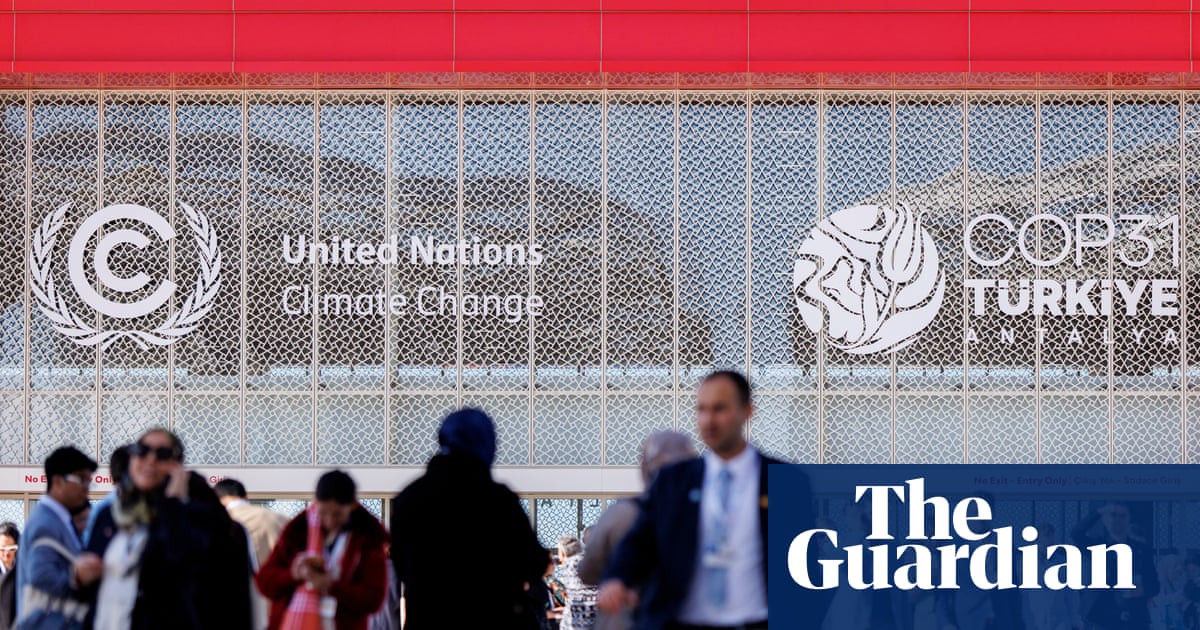
As the 31st United Nations Climate Change Conference (COP31) in Antalya, Turkey, nears its scheduled conclusion, delegates from nearly 200 nations face mounting pressure after the most recent draft of the summit’s final climate agreement omitted all references to fossil fuels. This development, emerging late November 19, has drawn sharp criticism from activists and a bloc of nations that see the move as a potential retreat from addressing the primary contributors to global heating.
The original draft, released by the Turkish-Australian presidency on November 16, laid out ambitions for an immediate transition away from fossil fuels and reinforced the goal of limiting global warming to 1.5°C. It also emphasized a global electrification target: for electricity to reach 35% of world energy consumption by 2035, a steep increase from today’s level of approximately 23%. The draft’s proposals aimed to bind countries to a trajectory away from fossil fuel reliance and toward renewable-powered electrification, but persistent disagreement quickly surfaced, especially from oil-reliant economies and developing countries fearful of insufficient support.
Since then, the language concerning fossil fuel phase-out has become a lightning rod for controversy. By November 19, all explicit references to fossil fuels had been dropped from the official draft text—a move various media have described as risking the summit’s substance and legitimacy. According to The Guardian and other international outlets, the absence of fossil-fuel language has prompted warnings that COP31 could be reduced to a “ghost summit” if it fails to directly address the energy sector’s central climate impact. Some reports suggest a softening rather than total omission, but frustration over the direction is now feeding new rounds of negotiation.
At the core of the dispute are deep divisions about who should bear the costs of climate action. The draft proposes tripling annual adaptation finance to $120 billion, yet many developing countries, especially those across Africa, argue this amount remains far below real needs. They estimate adaptation costs could be as high as $305 billion a year by 2035, a gap that leaves frontline communities exposed to worsening climate impacts. Across the conference, calls have grown louder for innovative financing—including windfall profit taxes on fossil fuel producers and levies on other polluting sectors such as aviation and shipping—to make up the shortfall.
Another contentious area is the proposed reliance on new technologies such as carbon capture and storage (CCS) to meet long-term temperature goals. While the draft text expresses optimism about the role of CCS, many negotiators and climate advocates remain skeptical of its ability to work at scale, warning against using such measures as an excuse to postpone urgent emission cuts.
Meanwhile, political signals inside the summit remain mixed. Fourteen Democratic members of the U.S. Congress are in Antalya as observers, pushing for Washington’s reengagement with the Paris Agreement, but remain outside the formal negotiating bloc.
With only hours to finalize the agreement, the fate of COP31 hinges on whether negotiators can restore strong language on fossil fuel transition and unlock sufficient resources for adaptation and energy transformation. As diplomats continue talks behind closed doors, the ultimate credibility of this year’s conference—and its implications for global climate action—remain deeply uncertain.