
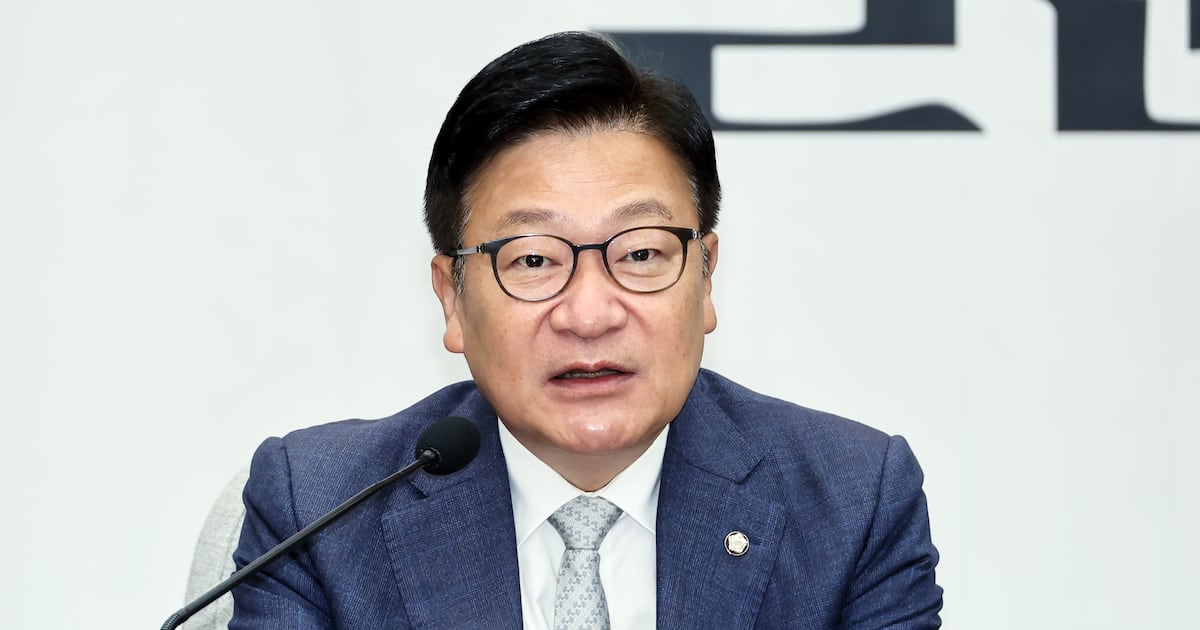
South Korea’s political and financial arenas are locked in a heated debate following a rare market rout that wiped out immense value from the KOSPI and left many retail investors angry and exposed. Opposition figures, most notably Jeong Jeom-sik, floor leader for the People Power Party (PPP), have singled out President Lee Jae-myung’s administration for blame, accusing it of fostering risk through policy decisions they say led directly to the current instability.
Controversy Over Financial Innovation and Pension Policy
The immediate spark for the crisis began in June 2026, when government regulators permitted the introduction of single-stock leveraged exchange-traded funds (ETFs) for major local blue-chip companies, including Samsung Electronics and SK hynix. These investment vehicles allowed individuals to place highly leveraged bets on the movement of a single stock’s price—a lure for investors but, critics warned, a recipe for volatility and losses if prices turned sharply.
Compounding those concerns was the government-backed National Pension Service’s (NPS) decision to postpone its scheduled portfolio rebalancing in early 2026. The NPS, among Korea’s largest institutional investors, usually adjusts its domestic stock holdings periodically, but this time delayed its moves in an apparent bid to steady the market.
However, when the KOSPI suffered a steep slide in October—erasing some 1,000 trillion won in market capitalization in one week—both actions were thrust into the spotlight. Many retail investors had piled into the new ETFs, only to suffer outsized losses amid the turmoil. Jeong Jeom-sik condemned what he called “recklessly propping up the stock market,” describing the losses as an “expensive bill” being paid by ordinary Koreans. He attributed the crash not just to random market movement, but to deliberate and misguided government intervention (biz.chosun.com).
Calls for Accountability and Policy Reform
The opposition PPP, in a move echoed by other opposition parties, called as early as August for a special parliamentary investigation into the underlying causes and the government’s role in encouraging what Jeong termed “stock market overheating.” Jeong and his allies argue that not only the design of complex ETF products but also the NPS’s actions must be part of any probe.
For its part, President Lee’s administration has ordered a review of plans to overhaul individual savings accounts (ISAs) and discussed proposed legislation to counter stock-price suppression—an apparent nod to critics, though government officials have pointed to volatile external factors such as global markets and investor sentiment as additional causes of the downturn.
The political argument has spilled into public discourse: government opponents refer to the policies as “index politics,” accusing leadership of prioritizing market optics over economic fundamentals. Meanwhile, the ruling party has cautioned against hasty attributions of blame, emphasizing the unpredictable nature of markets.
Unsettled Future for Investors
As of November 22, debate continues both in the legislature and among Korean investors, with no final decision on whether to initiate the PPP’s proposed parliamentary investigation. Government-led policy reviews are underway, but as the market remains volatile, pressure is mounting on officials to provide reassurance and clear reforms for retail and institutional investors alike.
The episode marks yet another chapter in South Korea’s challenging efforts to balance financial innovation, market stability, and investor protection—against a backdrop of fierce political rivalry and mounting public frustration.