
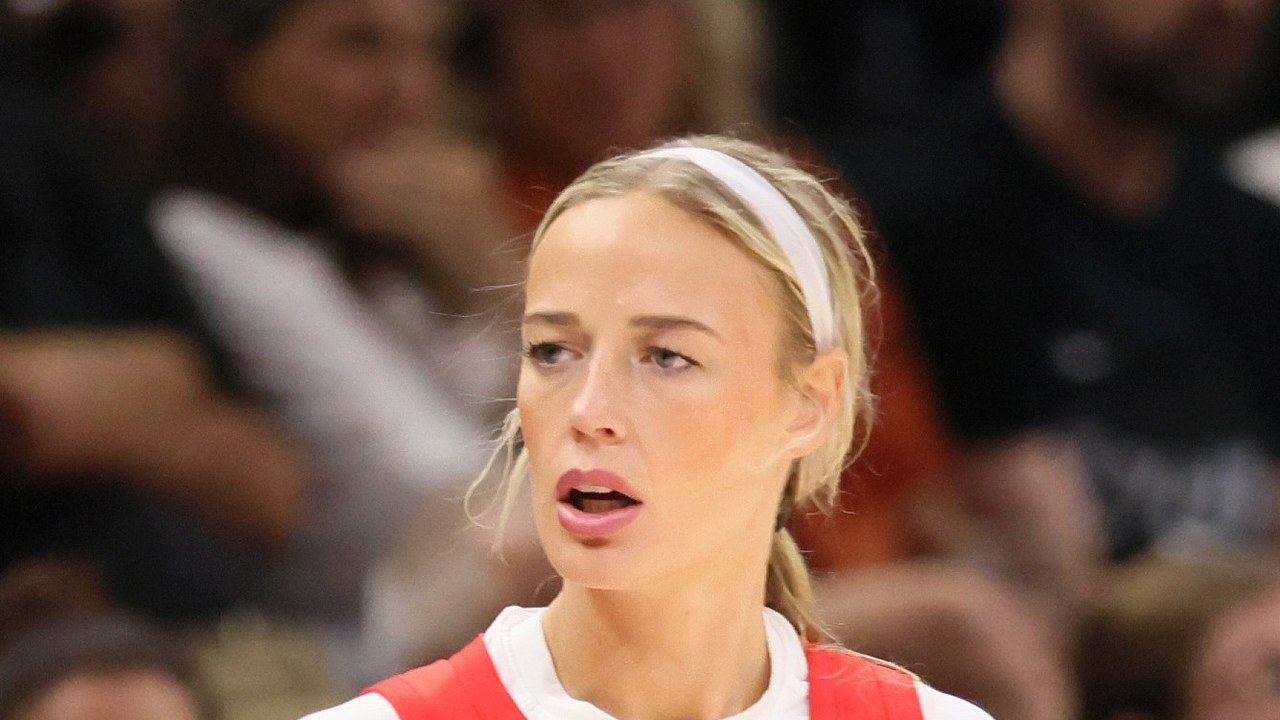
Indiana Fever guard Sophie Cunningham finds herself at the center of a fierce cultural debate after the publication of her topless photoshoot in Maxim magazine’s November/December 2026 issue. The shoot, held in Indianapolis earlier this month and released on November 25, features Cunningham, 30, in a pose she described as both empowering and reflective of Maxim’s new lifestyle-oriented direction. But as soon as the images hit newsstands, they ignited a backlash among conservative Christian figures and provoked conversations about faith, personal autonomy, and athletes’ public personas.
Professional Pushback and a Personal Decision
Cunningham’s journey to the Maxim spread began with hesitation. Her own agents initially declined the offer on her behalf, associating Maxim with its more provocative past. It was only after learning of the magazine’s recent rebranding that Cunningham was persuaded to take part. “I had the best time. It was absolutely amazing,” she later reflected, emphasizing the positive experience and agency she felt throughout the shoot (mythpost.com).
A Fast and Contentious Reaction
The arrival of the magazine was soon followed by pointed criticism from noted Christian commentators. Princeton professor Robert P. George was forthright, stating that he no longer viewed Cunningham as a role model, specifically referencing her participation in the topless shoot. Well-known evangelist Justin Peters added his voice, questioning whether Christian celebrities like Cunningham should be held to stricter standards and warning against the uncritical veneration of public figures who speak openly about their faith without assessing their actions (beliefnet.com).
For Cunningham, the tension is deepened by her vocal Christianity and her history of discussing her faith publicly. In her Maxim interview, she detailed the high standards she holds for a future spouse—”He’ll be someone who is Christ-centered and can lead me in my walk with Jesus”—while defending her decision as aligned with her principles and the direction of the rebranded magazine.
Support From Unlikely Allies
The criticism wasn’t universal. Former NBA player and outspoken activist Enes Kanter Freedom took to social media and interviews in support of Cunningham, dismissing the backlash as hypocritical and praising her right to make personal choices. Freedom’s endorsement gave Cunningham support from unexpected quarters, particularly as voices on both sides debated whether public figures have a responsibility to conform with community expectations if they profess values like Christianity (wisevoter.com).
Wider Implications and Ongoing Debate
Cunningham’s appearance on Theo Von’s podcast earlier this year—another flashpoint in discussions about her religious beliefs and celebrity—had already placed her in the public eye as a faith-driven athlete unafraid to speak up. With the Maxim controversy, her image as a role model is questioned anew, leading to deeper discussions about authenticity, autonomy, and the sometimes conflicting pressures athletes face from both fans and faith-based communities.
The Maxim episode arrives amid a climate of evolving expectations for public figures navigating personal decisions and public scrutiny. For Cunningham, the experience has deepened debates around agency, faith, and the place of athletes as symbols in broader cultural battles—a controversy with no immediate resolution, as both criticism and support continue to pour in (thedailybeast.com).
As of November 26, the debate over Cunningham’s Maxim spread remains unresolved. The long-term consequences for her career and public standing are unclear, with wider ramifications for how athletes negotiate faith and personal image likely to ripple for months ahead.