
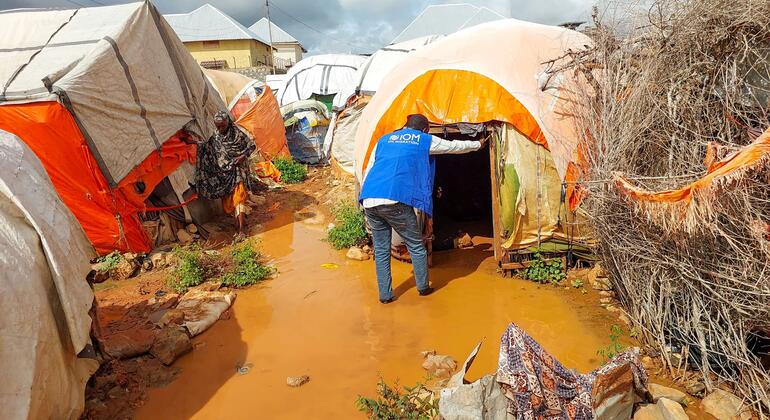
The specter of famine that long shadowed Baidoa in southern Somalia has eased, yet the humanitarian crisis gripping the country is far from over. A recent analysis by the Integrated Food Security Phase Classification (IPC), a United Nations-backed platform, finds fewer people at immediate risk of famine in Baidoa, where internally displaced residents have long been among the most vulnerable. Still, global food security experts stress that 5.3 million Somalis remain locked in severe food insecurity through year’s end.
The autumn assessment marks a minor improvement: projections from October through December were trimmed by just 100,000 people from the August forecast, attributed mainly to the slightly improved security conditions for displaced people in Baidoa. These gains, however, are fragile. The IPC’s data indicates the situation for Baidoa’s internally displaced has stabilized at emergency level (Phase 4, just below famine), with acute malnutrition still deemed critical. The main reason famine has so far been averted, analysts say, is that forecasts of catastrophic El Niño-induced flooding and displacement did not materialize—a stroke of fortune, rather than evidence of lasting recovery.
The revised figures stem from new data collated since August, which covers food availability, nutritional status, deaths, and population movement. While these data show a slight reprieve, the overall food crisis in Somalia—particularly for those displaced by violence or climate—remains one of the world’s most urgent emergencies. The IPC projects that between July 2026 and June 2027, an additional 7,000 children will become malnourished in Baidoa alone, raising the national tally of children affected or expected to be affected to 1.92 million, including 437,000 children likely to develop severe acute malnutrition.
The UN-backed analysts report that humanitarian conditions in Somalia remain precarious and call for urgent, sustained international support. Priorities include food security, nutrition, healthcare, and critical water and sanitation services—especially for communities displaced to hard-to-reach areas where survival hangs by a thread.
The risk of famine for now has receded from Baidoa, but with millions still hungry and hundreds of thousands of children malnourished, Somalia’s crisis demands attention beyond momentary relief.