
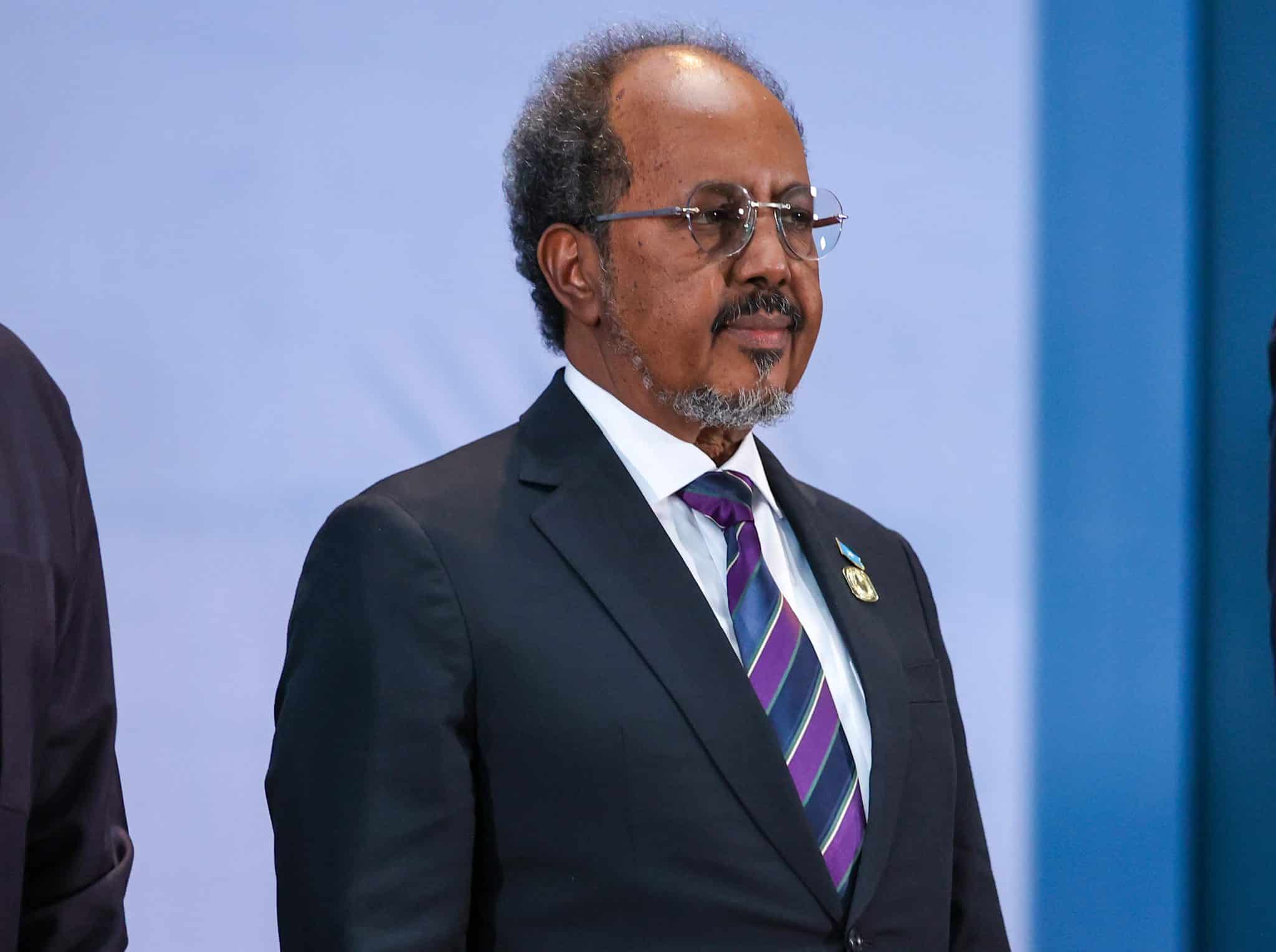
The struggle for constitutional legitimacy in Somalia has escalated into a full-blown crisis, pitting the nation’s highest court against President Hassan Sheikh Mohamud’s administration amid spiraling accusations of government interference and intimidation.
The turmoil ignited on November 5, when Somalia’s Supreme Court ruled that President Mohamud’s term had expired in May, instructing that new elections be held within ninety days. The court also voided the president’s attempt a day earlier to dismiss Chief Justice Baashe Yusuf Ahmed—an authority it deemed the president did not constitutionally possess. Only days later, on November 7, Somalia’s Attorney General publicly dismissed the Supreme Court’s order as lacking any legal effect, signaling the government’s refusal to implement the judicial decision and deepening the standoff over who holds legitimate power in a country long wracked by instability (Somalia Today).
As the legal and executive branches squared off, fears about judicial independence grew acute. On November 26, five Supreme Court judges announced they would not return to work, citing serious threats to their safety and the withdrawal of crucial security protections. The judges described the presence of armed forces around the court and alleged intimidation by state actors, raising the specter of direct interference in judicial affairs. They said they would continue their work only after secure and independent working conditions were restored (Baidoa Online).
This impasse is set against a backdrop of constitutional ambiguity. Somalia’s 2012 Provisional Constitution set a four-year term for the presidency; however, hotly contested 2026 amendments extended presidential and parliamentary mandates to five years, creating confusion over their applicability to sitting officeholders. The Supreme Court’s November ruling struck at the heart of this dispute, declaring the president’s time had run out—an assertion the executive branch has refused to acknowledge (Garowe Online).
The escalating crisis is drawing in regional actors. In late November, six Supreme Court judges filed a case with the East African Court of Justice, seeking regional oversight and intervention as domestic mechanisms for resolving the impasse broke down (Teapawt.org).
Public discontent is growing, with reports of demonstrations in Mogadishu and elsewhere, and increasingly polarized sentiment on social media. The fate of Somalia’s constitutional order—and the prospects for democratic renewal—now hinge on whether political leaders can negotiate a credible election framework, restore judicial independence, and calm a public weary of impasse and instability.
The Supreme Court has called on Somalia’s political leaders to reach an electoral agreement within thirty days, but with both the judiciary and the executive refusing to yield, and the threat of unrest rising, a clear path forward remains elusive.