
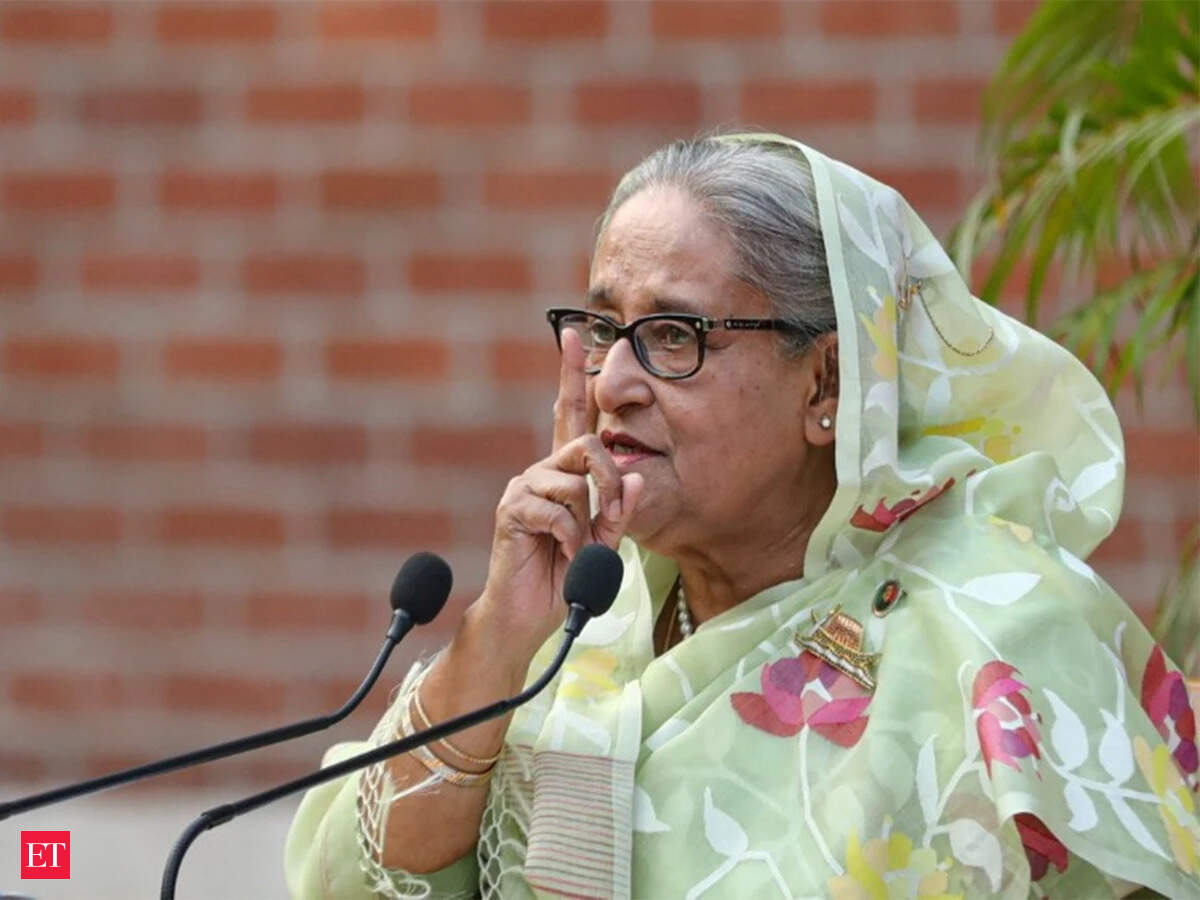
Sheikh Hasina, the former Prime Minister of Bangladesh, has declared her intention to return from exile in India to Dhaka on December 16, 2026—a date that coincides with the country’s Victory Day celebration. Hasina, who was ousted following a student-led uprising in August 2024 that abruptly ended her fifteen-year rule, has been living in India since fleeing the political upheaval that followed her removal from office.
The announcement, made public by her spokesperson on November 24, immediately reverberated through Bangladesh’s politicized landscape. December 16 holds immense symbolic weight as it marks the end of the 1971 Liberation War against Pakistan and the birth of the Bangladeshi state—a legacy closely tied to Hasina’s own family history. Her father, Sheikh Mujibur Rahman, is celebrated as the country’s founding leader before his assassination in 1975.
Legal and Political Storm Await
Hasina faces arrest and incarceration if she returns, according to public statements from the government led by Prime Minister Tarique Rahman. In November 2025, a Bangladeshi war crimes tribunal sentenced her to death in absentia, citing human rights abuses during the 2024 crackdown on anti-government protests. Hasina has dismissed both the legitimacy of the tribunal and the sentence, stating her intent to challenge the ruling if allowed to return and contest the charges in person.
The government has requested Hasina’s extradition from India; however, Indian authorities have consistently declined, referencing ongoing legal and diplomatic considerations. The standoff has further strained relations between the two South Asian neighbors, particularly as Hasina maintains her innocence and her supporters call the tribunal process politically motivated.
Return Logistics and National Response
In preparing for her return, Hasina has formally asked the Bangladeshi government to arrange her flight from Delhi to Dhaka aboard the national flag carrier, Biman Bangladesh Airlines. Officials have not publicly responded to this request, leaving the precise details of her homecoming unresolved amid persistent uncertainty.
Meanwhile, the situation in Bangladesh remains volatile. Since Hasina’s ouster, reports have detailed periodic unrest and violence across various districts, reflecting a deeply polarized society. News of her planned return has elicited mixed responses: some see it as a chance for political reconciliation or justice, others fear it could further ignite street-level clashes and instability in a nation that has experienced acute political fragmentation in recent years.
The Path Forward
Whether Hasina’s planned December 16 arrival proceeds as declared could prove crucial for Bangladesh’s immediate future. As legal actions and government responses are awaited, the looming confrontation between former and current regimes is set against a backdrop of unresolved national trauma and ongoing power struggles. The world will be watching closely as the political fate of a pivotal South Asian country hangs in the balance.