
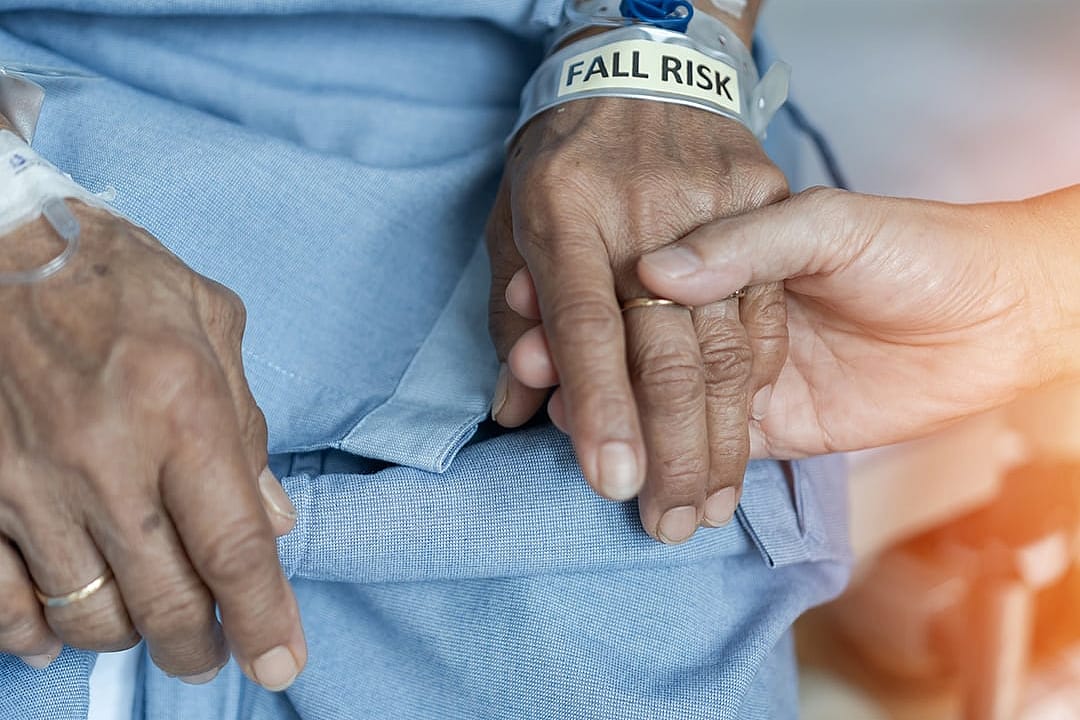
In the homes of America’s aging population, a quietly mounting hazard claims tens of thousands of lives each year—yet its prominence is largely missing from the nation’s product recall system, official data reveal. In 2024 alone, falls killed 43,020 U.S. adults aged 65 and older, accounting for 57% of all accidental injury deaths in this demographic (source: keyt.com). The extraordinary toll highlights a critical gap in both public awareness and regulatory action regarding how hazardous consumer products are identified and mitigated for older adults.
Recall Focus Mismatched with Actual Risks
Despite the devastating prevalence of falls, the U.S. Consumer Product Safety Commission (CPSC) directed just 12% of its 1,560 product recalls between 2021 and 2025 to fall hazards. The remaining attention has gone disproportionately to other dangers: fire-related hazards, for example, accounted for 34% of recalls, though fire deaths among older adults are far less common (keyt.com). While older adults face a heightened risk of dying in fires—3.5 times compared to the general population, totaling roughly 930 deaths yearly (cpsc.gov)—the raw numbers remain dwarfed by those connected with falls.
Strikingly, only one recall in this period explicitly mentioned older adults in its warning statement, underscoring a trend that largely overlooks the highly vulnerable group most affected by falls.
Emerging Trends: Bed Rail Recalls Rise
Recent months do give cause for cautious optimism. The first ten months of 2026 saw a sharp uptick in the recall of adult portable bed rails—a product category critical for fall prevention, but one that can also present deadly entrapment risks. In this period, CPSC announced 24 bed rail recalls, nearly twice as many as the total of the previous four years combined. While this increase reflects growing regulatory attention to the intersection of product design and senior safety, advocates say the broader recall ecosystem remains slow to adapt to the main statistical threats faced by older adults.
Behind the Numbers: Why Are Falls Under-Recognized?
Experts and consumer advocates have long noted that the recall system has historically focused on children as the model vulnerable population, fueling more robust procedures for identifying child-targeted risks but creating “blind spots” for older adults. Nearly three million older Americans visit emergency rooms each year for product-related injuries; yet, recall announcements rarely address their particular vulnerabilities or home circumstances (cpsc.gov).
Maintaining home safety for older adults requires both improved product standards and tailored recall communication. The CPSC recommends adding handrails on both sides of stairs, improving lighting, clearing clutter, and installing smoke alarms on every floor and bedroom—but meaningful change hinges on recognizing and prioritizing the actual hazards reflected in injury and death statistics.
Policy, Caregivers, and the Path Forward
This shortfall has prompted increasing calls from experts and policymakers for reforms: specifically, for product safety standards and recall language that explicitly address older adults’ needs. Caregivers, loved ones, and seniors themselves play a vital role in spotting and minimizing risks, but structural solutions—such as clearer hazard statements in recalls and rigorous home safety assessment protocols—are gaining support (keyt.com; cpsc.gov).
As the population ages, the pressure to realign safety priorities with demographic reality will only mount. Advocates argue that refining regulatory focus could save countless lives each year—and that addressing the “attention gap” is not just a bureaucratic imperative, but a pressing matter of public health and dignity for older Americans.