
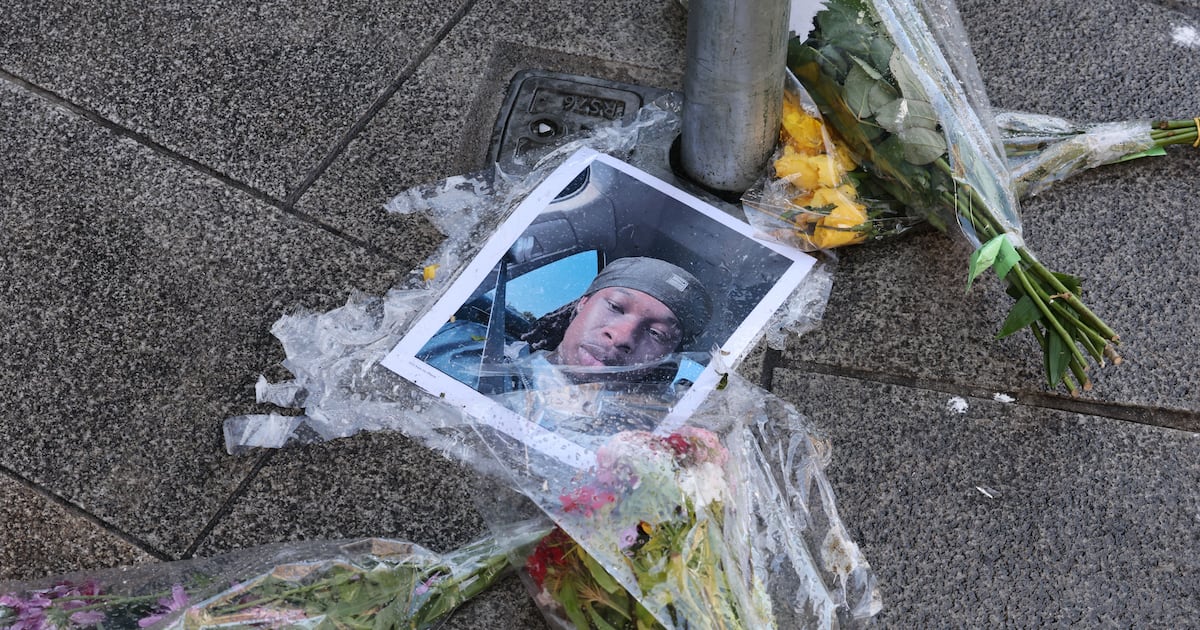
The fatal stabbing of 21-year-old student Qayyum Balogun in Dublin’s city centre has led Gardaí to charge a second man in connection with the killing, underscoring the persistent complexity and gravity of the case. The latest development comes almost six months after Balogun lost his life in the early hours of June 1, 2026, on Clarendon Street, just steps from the bustling Grafton Street shopping district.
According to official statements and reporting from The Irish Times and The Journal, Balogun, a Dundalk resident and student, had spent the night attending a performance headlined by Nigerian artist Famous Pluto at Bewley’s Café. Friends describe Balogun as a gentle soul, widely respected in his local community, whose sudden loss left a marked impact on both family and neighbors.
Escalation and Immediate Response
Shortly after 3:00 AM on June 1, Balogun was attacked and stabbed as he tried to flee from his assailant on Clarendon Street. Gardaí responded swiftly to the scene and launched a forensic investigation, combing through video surveillance and gathering witness accounts. Within days, officers arrested a man in his 20s, charging him with assault causing harm. That individual appeared in the Criminal Courts of Justice on June 4. As evidence collection continued, a woman in her 20s and a male teenager were also detained for questioning, but both were later released without charge.
Second Arrest Brings New Attention
Progress in the case appeared stalled until late November, when Gardaí announced a second man—also in his 20s—had been taken into custody and subsequently charged. He appeared before the Criminal Courts of Justice on November 27, renewing public focus on the circumstances surrounding Balogun’s death and the events of that night. Meanwhile, authorities emphasize that the investigation remains active, with officers continuing to examine key evidence, including extensive CCTV footage and further witness statements.
Opaque Motive and Community Grief
While investigators have not disclosed a definitive motive, conflicting accounts have surfaced in the months since the incident. Some reports, based on interviews and witness testimony cited by The Irish Times, suggest Balogun may have intervened to defend a woman from harassment at the concert, potentially placing him in harm’s way. Gardaí have neither confirmed nor dismissed this possibility as they weigh it alongside alternative theories and forensic findings.
For Balogun’s family and the broader Dundalk and Dublin communities, lingering uncertainty compounds profound grief. In tributes published in local press, friends have described Balogun as a “credit to his community”—his memory fueling calls for accountability and justice.
Ongoing Inquiries and Next Steps
With two men now facing charges in connection with the death, the legal process is expected to move forward in the months ahead. Gardaí have reiterated their appeal for any additional witnesses to come forward as they work to clarify the chain of events and reach a full account of Balogun’s final hours.
The case continues to highlight both the fragility of city nightlife and the resilience of those committed to justice in the wake of senseless violence. As the investigation presses on, the extent and nature of the tragedy’s impact remain all too evident.