
Gulf aviation faces mounting turbulence as major international and regional airlines extend sweeping flight cancellations to Saudi Arabia just as the region’s budget airlines struggle to contain sharp profit declines driven by fuel price shocks and geopolitical disruption.
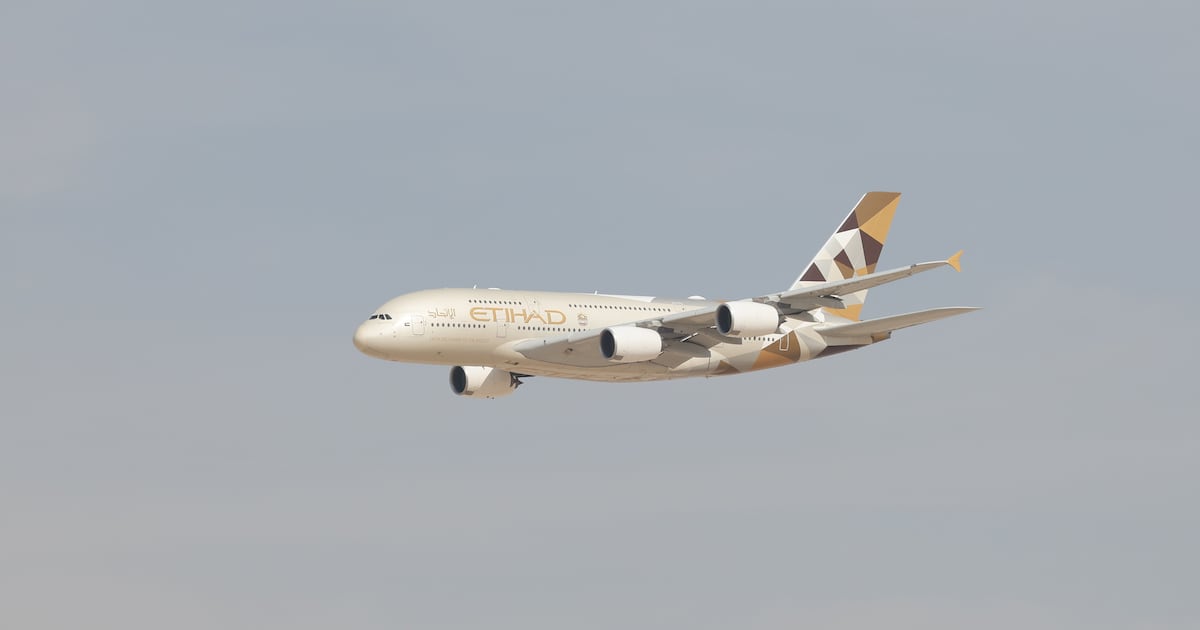
On November 13, several Asian carriers—among them Air India, Air India Express, and IndiGo—announced that flights to Saudi Arabian cities would remain suspended through at least the end of November, deepening a wave of disruptions triggered by regional security concerns (business-standard.com). UAE-based airlines have followed suit: Emirates, Etihad Airways, flydubai, and Air Arabia adjusted or suspended a large share of their Saudi-bound schedules, specifically to key cities Riyadh and Dammam, with cancellations set in place until at least November 19 and no concrete resumption date for some routes (thenationalnews.com).
These operational cutbacks come at a time when carriers are already facing extraordinary financial headwinds. Saudi Arabia’s low-cost airline Flynas revealed a 78% fall in net profit for the third quarter of 2026, sliding to 27 million Saudi riyals compared to 120 million in the same period last year, which the company attributed to “a 51% rise in jet fuel prices” (saudistandard.com). Meanwhile, Air Arabia, the region’s largest publicly listed carrier, saw net profit tumble by 42% in Q3, also blaming higher fuel costs and the impact of regional conflicts (tradearabia.com).
While some international airlines have not announced complete suspensions, the accumulating list of cancellations leaves thousands of travelers facing uncertainty. Riyadh, Dammam, and Jeddah have been the key Saudi destinations hit by absentee flights, a situation that is expected to persist unless regional security improves. So far, most carriers have cited general “security concerns” and “prevailing situation” as reasons for the continued grounding but have offered few specifics or long-term indications for when operations might normalize.
For regional airlines like Flynas and Air Arabia, the ripple effect of grounded jets extends beyond missed connections: surging fuel costs, already a financial burden, are amplified by slumping ticket sales and altered schedules. The airlines have stated they are continuing to operate remaining flights and are closely monitoring conditions.
As November draws to a close, both the underlying security issues and the financial toll of higher fuel prices leave the outlook for Gulf aviation uncertain. Affected airlines advise travelers to monitor service updates, with operational changes expected to continue as the situation develops.