
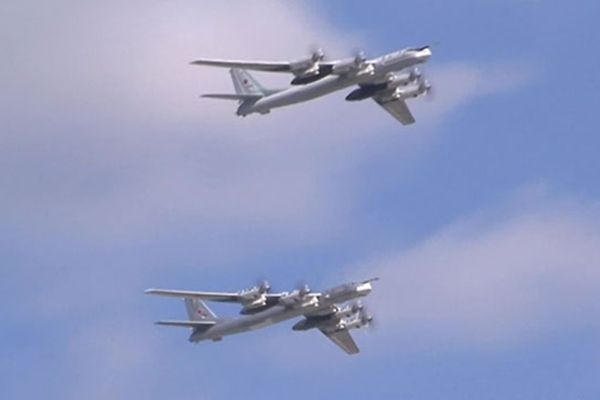
Heightened tensions gripped Ulleungdo Island early on November 24, 2026, when several Russian military aircraft entered the Korea Air Defense Identification Zone (KADIZ) over the East Sea, triggering a rapid evacuation alert for local residents. While the aircraft did not breach South Korea’s sovereign airspace, the incursion sparked confusion, defensive military actions, and an imminent diplomatic protest.
The South Korean military detected the approaching planes before they entered KADIZ and promptly scrambled Air Force fighter jets to track and monitor the activity, preparing for any potential escalation. According to multiple Korean media reports, residents of Ulleungdo received emergency messages at around 7:52 a.m. instructing them to seek immediate shelter in underground or reinforced buildings amid concerns of a possible airspace violation. The evacuation order was lifted about five minutes later, at 7:57 a.m., when it was confirmed that the Russian aircraft had exited the air defense zone. (Sources: KBS, Aju Press)
Authorities later clarified that the planes in question belonged to the Russian military and did not cross into officially recognized South Korean airspace. However, the situation caused additional consternation due to a misstep in official communications: the North Gyeongsang provincial government mistakenly informed the public that the aircraft could have been North Korean, sowing confusion before correcting the record. (Aju Press)
While no direct confrontation or airspace breach occurred, the Ministry of National Defense announced plans to summon Russia’s military attaché in Seoul to formally protest the unauthorized entry of Russian planes into KADIZ. Such intrusions have happened before: Russian military aircraft have entered this air defense zone on several occasions in 2026 alone, each time prompting a swift military and government response from Seoul. (MapMyTimes, Aju Press)
KADIZ, although not conferring sovereign airspace rights under international law, serves as an early warning and response zone for South Korea to assert its readiness against unidentified or unauthorized aircraft. Russia does not recognize the legitimacy of KADIZ, fueling a persistent source of friction as South Korea seeks to defend its interests in the region.
Authorities have not disclosed the specific number or models of Russian aircraft involved, and the rationale behind the North Gyeongsang government’s initial misidentification remains unclear. As of now, daily routines on Ulleungdo have resumed, but the incident serves as a reminder of the region’s ongoing volatility and the delicate diplomatic lines that separate routine military maneuvers from potentially hazardous escalation.