
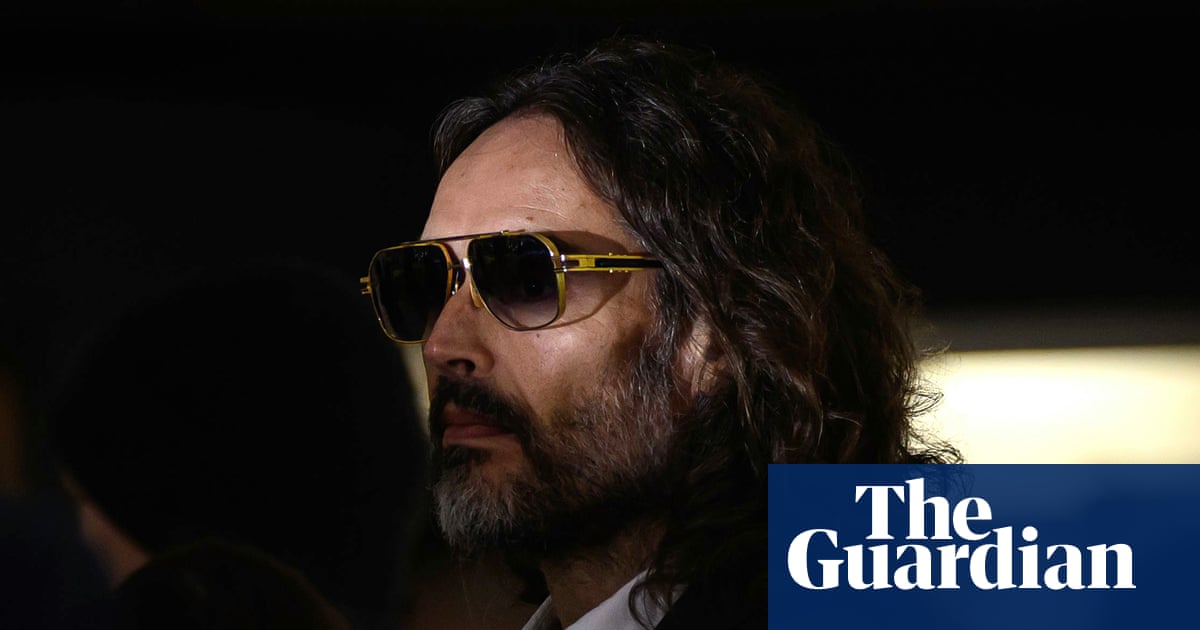
Russell Brand’s public statement from prison, delivered via his wife Laura Gallacher and broadcast on their YouTube podcast on November 15, has triggered a formal investigation by the UK government and drawn condemnation from survivors of sexual assault.
Brand, who is currently serving a 10-year-and-six-month sentence at HMP Littlehey following his conviction last week on rape and sexual assault charges, maintained his innocence in the message: “I am not guilty of the offences I have been jailed for.” The message’s dissemination has been sharply criticized by victims—including Mia Latter, who had accused Brand of rape—who called the public statement a “contradiction” and an “insult” to those affected by his conduct. She also questioned why YouTube permitted such content to be published.
Prison regulations in England and Wales, particularly under the Prison Act 1952, prohibit incarcerated individuals from broadcasting or posting on social media. While Brand did not speak directly, the use of his wife as a conduit for his words has prompted scrutiny over whether such indirect communication equally contravenes prison rules. The Ministry of Justice labeled the podcast broadcast as “clearly appalling” and has launched an investigation to determine if there has been a violation by Brand or his wife, which could lead to restrictions on Brand’s prison privileges.
The publicizing of Brand’s message comes as six more women have reportedly come forward with new allegations of sexual misconduct against him post-conviction, according to multiple media reports. The ongoing controversies and government response have fueled broader discussions about the responsibilities of media platforms in dealing with high-profile convicted individuals and the impact such broadcasts can have on survivors and the wider public.
Brand’s trial concluded after four weeks of arguments, with the jury acquitting him of several additional charges but ultimately finding him guilty of one count of rape and three counts of sexual assault, with the offenses dating back to between 2004 and 2009. His wife’s public advocacy and his maintained innocence, broadcast from prison, keep the debate over the rights of offenders, victims, and the role of digital platforms sharply in focus. The outcome of the Ministry of Justice’s investigation, as well as the legal status of the new allegations, remains unresolved as of November 17, 2026.