
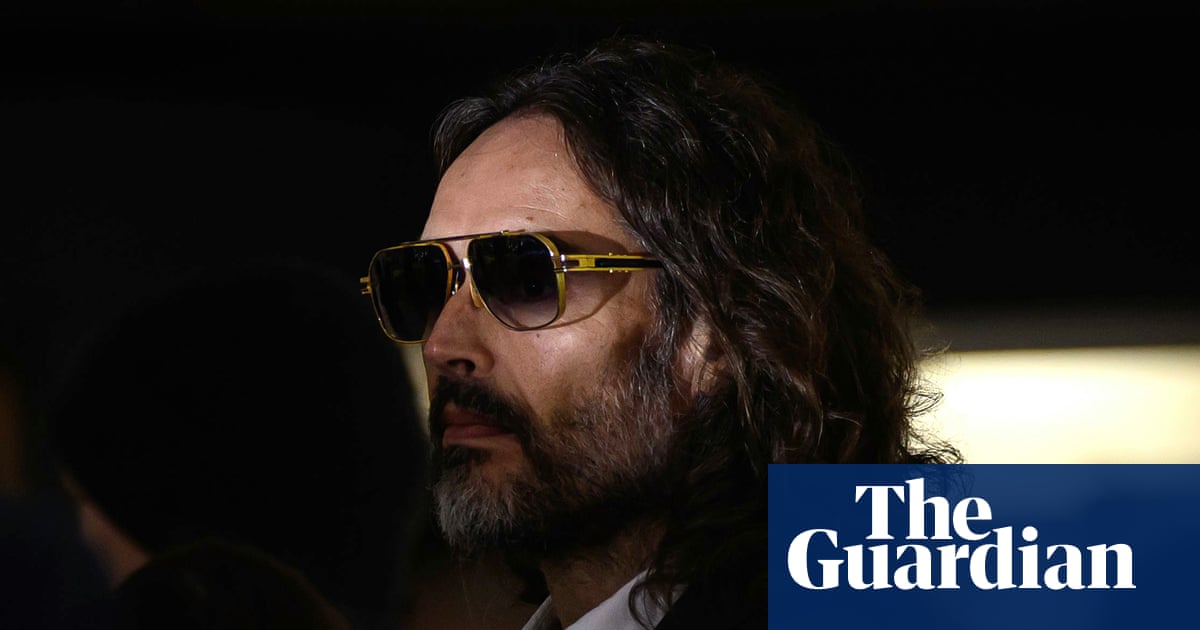
Russell Brand, once a fixture of British comedy and international entertainment, was sentenced to 10 years and six months in prison following his conviction for one count of rape and three counts of sexual assault at London’s Southwark Crown Court. The dramatic conclusion to the month-long trial on November 9, 2026, follows findings that Brand raped a 21-year-old woman in his London home in 2009 and sexually assaulted three other women in incidents spanning from 2004 to 2009.
The sentencing comes after a four-week court battle during which the jury deliberated for more than nine hours, ultimately convicting Brand on four counts while acquitting him of two further allegations. According to publicly available court records and prosecutor statements, victim testimony played a central role. Victim impact statements, read aloud in the courtroom, described lasting emotional trauma—galvanizing a public conversation about accountability and the treatment of women by influential figures in the entertainment industry (The Guardian, CPS).
Judge’s Condemnation and Brand’s Denial
During sentencing, Judge Joel Bennathan pointedly described Brand as a “sexual predator” with a “staggering arrogance” and a “casual, arrogant disregard of any woman’s right to say no.” Despite this strong judicial rebuke, Brand has maintained his innocence throughout both the investigation and trial, repeatedly asserting that all sexual contact was consensual.
Ripples in Culture and Law
The conviction marked a watershed moment for the UK entertainment sphere, quickly prompting industry and political responses. Culture Secretary Lisa Nandy called the verdict a “wake-up call,” emphasizing the need for systemic changes and more robust protections for whistleblowers in show business. These remarks have been echoed in roundtable discussions and parliamentary commentary since the verdict (The Week).
The Brand verdict has also reignited legal debate. In the wake of the trial, campaigners and lawmakers have called for re-examination of the UK’s age of consent laws—particularly with respect to adult relationships involving 16- and 17-year-olds. Although none of the convictions related specifically to such legal thresholds, ongoing police investigations include further allegations, one concerning a victim who was 16 at the time (The Guardian, ITV News).
Brand’s Downfall and Broader Implications
Brand’s public implosion recalls earlier high-profile sexual assault prosecutions, underlining longstanding challenges in bringing historical abuse to justice. Industry insiders and survivors’ advocates hope the case will push forward overdue reforms. Meanwhile, the Metropolitan Police continue to investigate at least two further allegations against Brand, underscoring both the sensitivity and complexity of such historic cases.
This trial and its aftermath have reopened conversations about the responsibilities of powerful men and the industries that elevate them—a reckoning likely to define UK popular culture and its institutions for years ahead.