
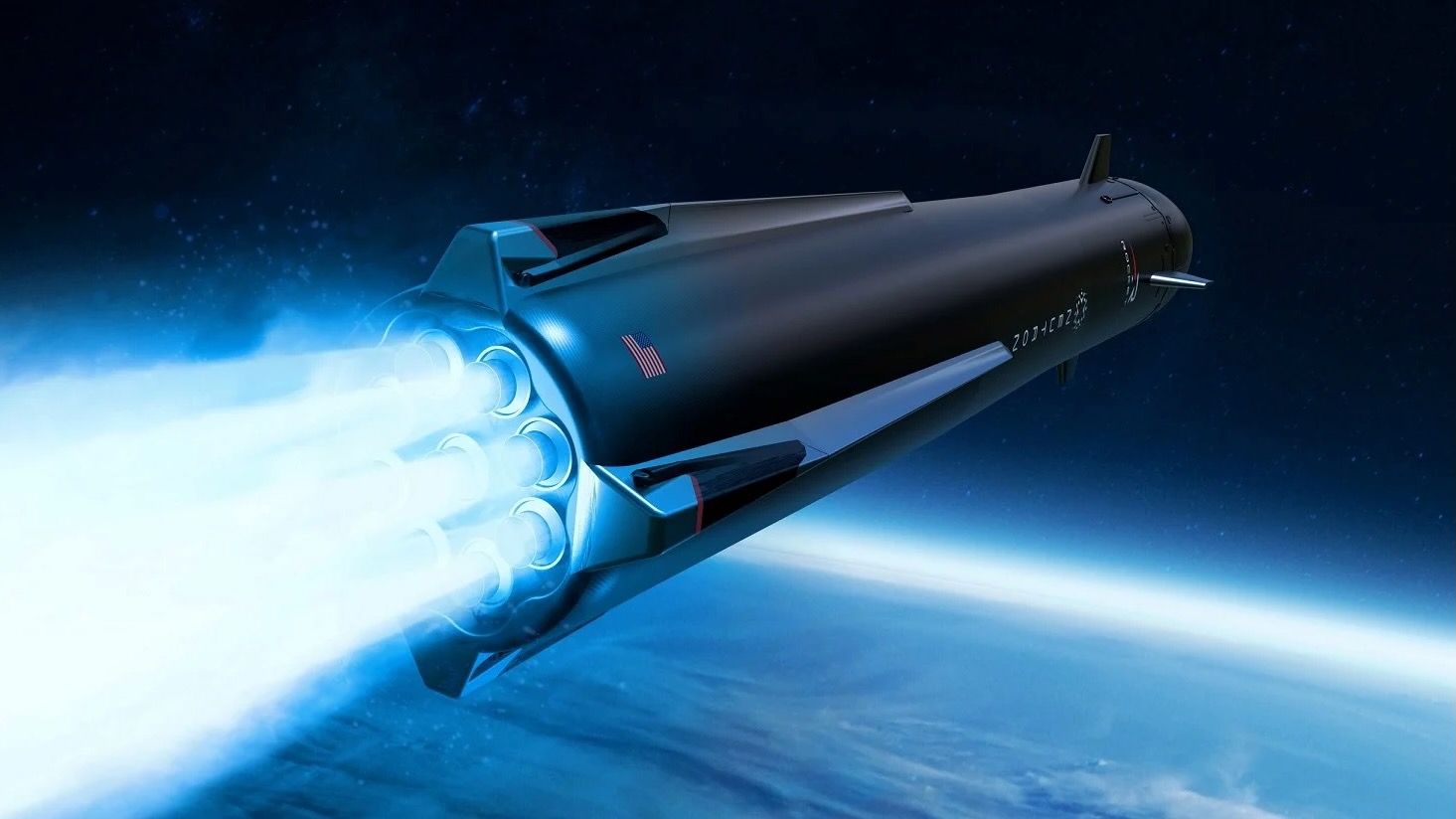
Rocket Lab has landed over $515 million in contracts for its upcoming Neutron rocket, company officials confirmed in November 2026, marking the largest influx to its launch backlog to date. The deals, spanning eight launches from five customers—including a mission for the U.S. Space Force—signal deepening appetite for reliable medium-lift launch capacity across the global space sector.
ICEYE, Muon Space, Starcloud, Kepler Communications, and the U.S. Space Force have each signed agreements reserving at least one Neutron launch, with several clients committing to multi-mission contracts. ICEYE will be the most frequent flyer, booking three flights for its synthetic aperture radar satellite constellation starting in late 2028, while Muon Space and Starcloud have secured launches running through 2030. The U.S. Space Force’s contract is tied to the Space-Based Airborne Moving Target Indicator (SB-AMTI) program, underlining Neutron’s competitive positioning for national security launches.
With these wins, Rocket Lab’s Neutron manifest now stands at 16 missions—pushing available slots out to the 2030s. The influx comes as satellite constellation deployments and government requirements strain global launch capacity, putting upward pressure on pricing. In response, Rocket Lab has raised the baseline price for a Neutron mission from $55 million to $70 million, joining industry leaders in leveraging tight supply and surging demand. The company explicitly links the price hike to both the extended manifest and the intensifying need for delivery windows.
Still, Neutron’s full market impact depends on timely hardware. The medium-lift, reusable rocket—designed to carry up to 13,000 kilograms to low Earth orbit—faces a delayed debut after manufacturing setbacks, with its maiden flight now projected for no earlier than 2027. That timeline has heightened scrutiny on Rocket Lab’s ability to deliver launches as its backlog swells, with analysts watching for updates on payload integration and test milestones in the coming months.
Neither Rocket Lab nor its customers have disclosed specifics about the payloads or the exact timing beyond general manifest windows. For now, the $515 million in contracted business gives Rocket Lab a substantial runway in a launch marketplace defined by long lead times, growing customer lists, and few available alternatives for satellite operators seeking timely deployment.
As the industry presses up against capacity constraints and launch providers recalibrate pricing and manifest strategy, Rocket Lab’s latest contracts contribute to a reshaping of the commercial space landscape. The company’s ability to execute on the Neutron program will help determine whether it can solidify a permanent role in the next decade’s surge of orbital infrastructure.