
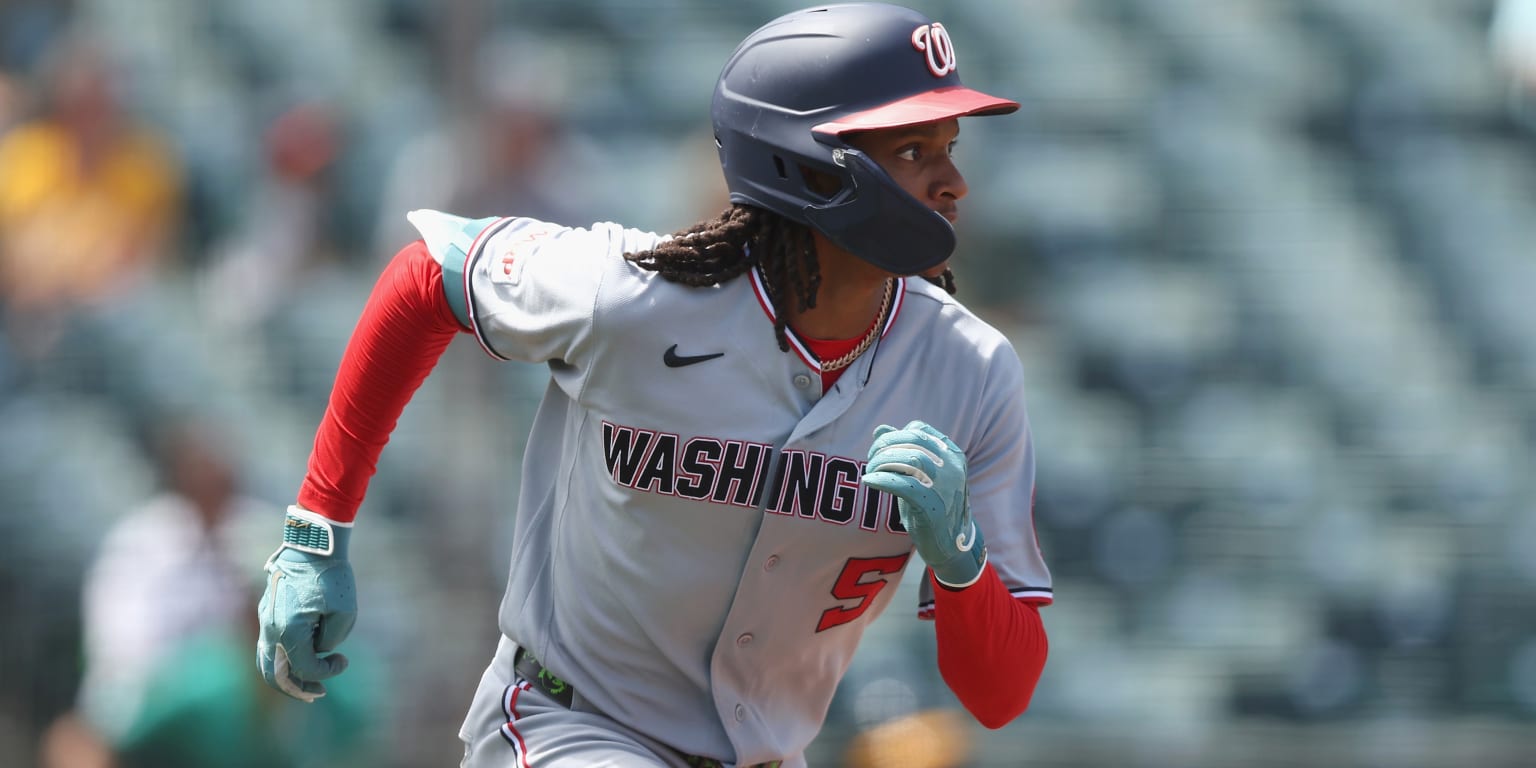
During the 2026 MLB Trade Deadline, the Boston Red Sox were linked with some of the biggest names on the market—including Texas Rangers’ Corey Seager and Washington Nationals’ CJ Abrams—but neither high-profile pursuit led to a deal. Instead, the Red Sox’s maneuvering reflected both aggressive ambitions and the realities of modern trade talks: plenty of speculation, but few blockbuster results.
Interest That Didn’t Materialize
Reports dating back to December 2025 indicate that the Red Sox entered exploratory discussions with the Rangers about acquiring Seager, one of the league’s premier shortstops. But even as those rumors swirled, Texas made clear Seager was not being shopped. Rangers baseball operations president Chris Young dismissed reports as ‘overblown,’ and with Seager’s contract containing significant financial obligations and partial no-trade protection, the obstacles remained high. As of late November 2026, Seager remains a Ranger.
In July 2026, attention turned to CJ Abrams, whose name surfaced as a potential trade candidate when the Nationals made it known they would listen to offers. The Red Sox, along with the Yankees, Rays, and Brewers, were identified as possible suitors. However, sources and follow-up reporting from MLB.com revealed that Washington’s front office spent little time on concrete offers, and Abrams—just 25 years old and under team control—was never seriously expected to move. He stayed put as the Nationals made smaller-scale moves instead.
Boston’s Actual Moves
While speculation centered on potential franchise-altering deals, the Red Sox’s tangible activity was more measured. On July 26, Boston acquired infielder Curtis Mead from the Nationals for minor league pitcher Connelly Early—a move emblematic of their strategy to shore up depth rather than swing for the fences. More notably, the club successfully traded for catcher Adley Rutschman from the Orioles, one of the deadline’s true blockbuster deals, signaling Boston’s intent to remain highly competitive as the playoff race intensified.
Deadline Passes, Futures Unchanged
By the August 3 deadline, neither Seager nor Abrams changed teams. Both the Rangers and Nationals opted to retain their young infield talent, opting for continuity over risky overhaul. For the Red Sox, the headline pursuits fell through, but front office strategy yielded key upgrades elsewhere on the roster, positioning Boston for a postseason push even without the splashiest shortstop acquisition.
As the dust settled, the 2026 deadline stood as a reminder of how rumored blockbusters often give way to more incremental, practical transactions. The Red Sox’s efforts underscore the complexities of the modern trade market—where desire doesn’t always meet opportunity, and speculation often outpaces execution.