
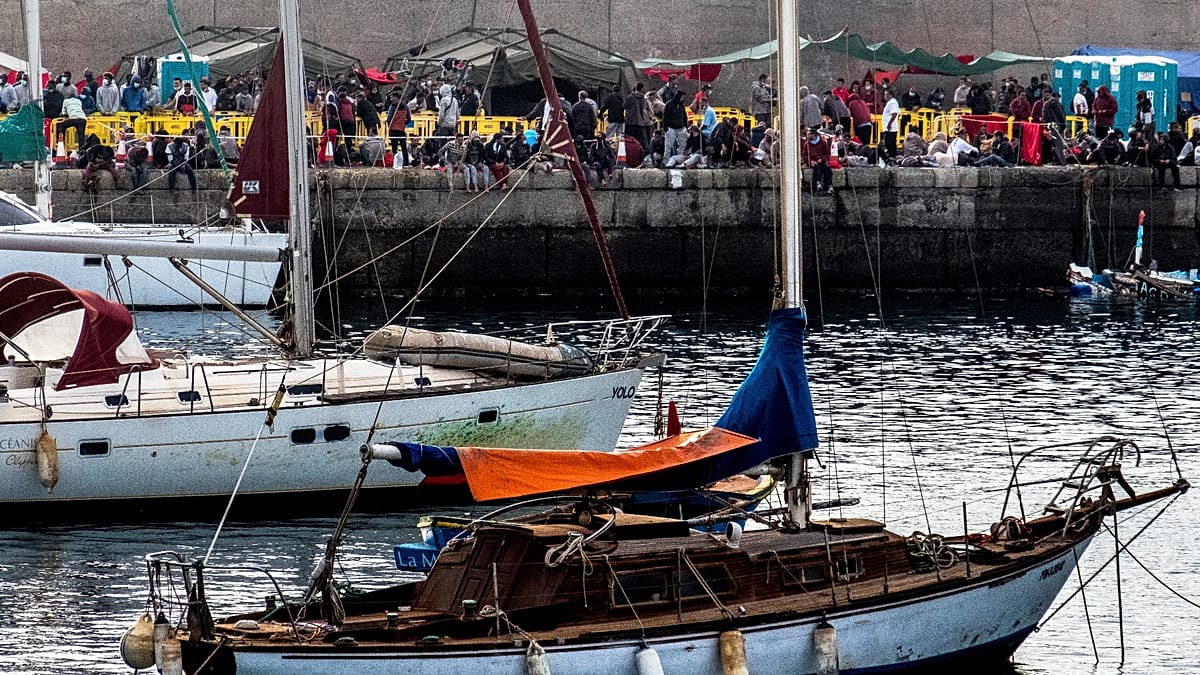
A surge in sea arrivals from West Africa has brought more than 7,400 migrants to Spain’s Canary Islands in the first ten days of November 2026, pushing local infrastructure to its limits and prompting urgent calls for help. On November 14 alone, nearly 1,500 people reached the archipelago, marking the single busiest day since 2020 and reigniting struggles over the European Union’s border response.
Authorities on El Hierro, the westernmost and smallest of the islands with a permanent population of just 12,000, declared a state of social emergency on November 6 after finding themselves unable to cope with the influx. Shelters are full, local aid networks are overstretched, and the government has allocated emergency funds both for additional reception places and immediate Red Cross medical care. According to official figures reported by multiple European news outlets, the Spanish government has released €15.18 million to expand shelter capacity and provided €1 million directly to relief organizations on El Hierro for first response work.
Changing Routes, Old Dangers
The Atlantic migration route from Senegal, Gambia, Morocco, and Mali to the Canaries has fluctuated over the years, with spikes often triggered by crises in countries of origin and seasonal shifts in weather. This November’s increase follows a 159% jump in arrivals between August and October compared to the previous year, with Morocco now a prominent departure hub. Authorities and analysts point to stable autumn sea conditions and the resurgence of smuggling networks as immediate drivers.
Though migrant arrivals to the Canaries first drew global attention in the mid-2000s, 2024 saw a record 46,843 people reaching the islands, according to historical records cited by the Le Monde and corroborated by Spanish statistics. The route remains perilous: hundreds are known to have drowned in previous years, and the true toll is likely higher, with frequent reports of capsized vessels and missing persons.
Local Strain and International Response
Communities in the Canaries, especially on lesser-populated islands like El Hierro, have repeatedly asked for more support from Madrid, and now from Brussels. “Our resources are exhausted,” a spokesperson for local authorities told press agencies, as reported by European news outlets. Rescues at sea remain ongoing as the flow of boats shows no sign of slowing, highlighting both the humanitarian and logistical challenge for Spanish and EU policy-makers.
Efforts to address root causes—economic hardship, violence, and instability in West Africa—are ongoing but slow to yield results. The surge has prompted calls for enhanced coordination between Spain and departure countries, both to prevent unsafe crossings and to stem trafficking networks. The Spanish government and partners are also increasing monitoring and rescue patrols, hoping to balance humanitarian obligations with border security demands.
With the peak migration period expected to continue so long as conditions permit, the future for both the arrivals and island communities remains uncertain. Authorities acknowledge that only sustained international engagement and more robust humanitarian support can offer lasting solutions to the cycles of crisis in the Atlantic migration corridor.