
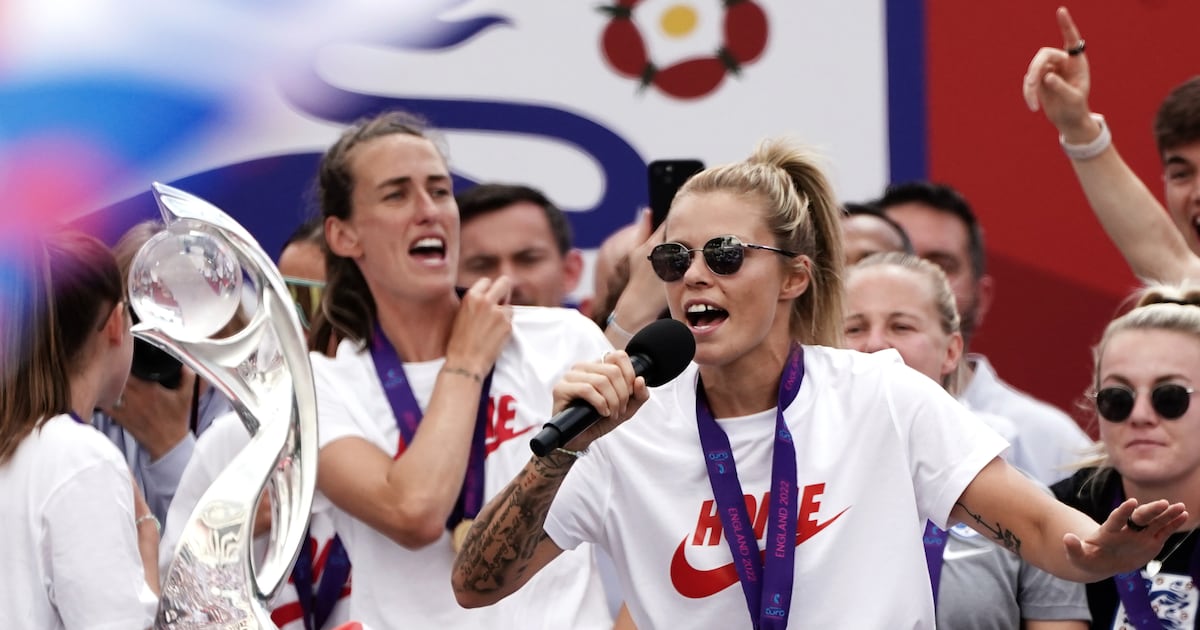
As England, Northern Ireland, Scotland, and Wales celebrate their selection as joint hosts of the 2035 FIFA Women’s World Cup, a cautionary note has emerged from one of English football’s most respected figures. Rachel Daly, who helped secure victory for England at the UEFA Women’s Euro 2022, has voiced concern over waning attendances at women’s matches—a trend she hopes the upcoming tournament can meaningfully reverse.
The official confirmation from FIFA on November 23, 2026, designated the United Kingdom as the site for the world’s largest women’s football tournament in nine years’ time. For Daly—a key part of the Lionesses’ most historic wins and now an outspoken advocate for the women’s game—the selection is both a cause for optimism and a wake-up call.
Attendance Dip Clouds Women’s Game Progress
Daly’s remarks come amid evidence of a downturn in spectator numbers following a peak inspired by major competitions such as the Euro 2022 in England. That landmark victory catalyzed a surge in fan engagement and suggested a new era for the women’s game in the UK. However, Daly now points to a worrying trend: the buzz following these flagship events can be fleeting. Attendance figures, which once seemed on a steady upward path, have declined in recent years—a pattern observed not just in Britain but in other major footballing nations as well.
“A home World Cup is a huge chance,” Daly asserted, suggesting that without concerted effort, the structural challenges underlying audience engagement may persist beyond the fanfare of 2035. She has consistently advocated for deeper investment in the women’s game, emphasizing the importance of building enduring interest—rather than just capitalizing on short-lived tournament highs.
From Lioness to Lasting Legacy
Daly’s perspective carries the weight of a storied playing career. She retired from international duty in April 2024, after earning 84 caps and playing critical roles in both England’s Euro 2022 triumph and their 2023 Women’s World Cup final run. Yet, her passion for advancing the sport remains undimmed in retirement. Daly has not shied away from challenging football’s status quo. She has previously expressed frustration at high-risk scheduling choices and at strategic decisions within the England squad, always with a focus on player welfare and the promotion of the women’s game.
Her hope now is that a home World Cup will serve as a catalyst for renewed investment and innovation in women’s football, leading to sustained attendance growth and a deeper connection with fans. The precedent is clear: major tournaments such as the Euros can ignite attention and attract new supporters. Still, Daly underscores that turning these peaks into consistent progress will require united efforts from clubs, federations, and sponsors.
Toward 2035: Opportunity and Challenge
The significance of 2035 for British women’s football cannot be overstated. With the world’s eyes set to turn to the UK once more, the challenge of reversing the attendance decline represents both a pressing concern and a tremendous opportunity. Daly and other advocates see this moment as a test not only of football infrastructure but also of the commitment of British stakeholders to sustaining the vibrancy of the sport long after final trophies are lifted.
The coming years will reveal whether the Women’s World Cup on British soil can deliver the long-anticipated legacy for which Daly and so many others have worked tirelessly. As the countdown to 2035 begins, the effort to reengage fans and foster durable enthusiasm stands as one of the UK sport’s defining challenges—and perhaps, as Daly hopes, its next great success story.