
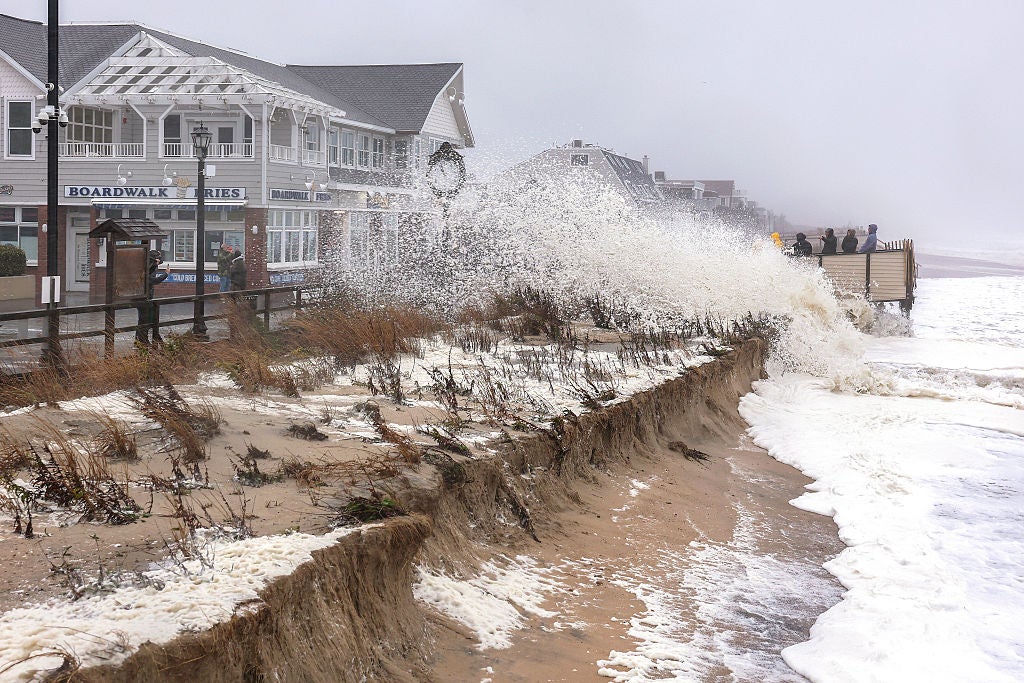
A Thanksgiving holiday brought historic turmoil to the US East Coast, as a powerful storm system delivered torrential rains, damaging winds, and widespread flooding on November 26, 2026. The impact rippled from Virginia and Maryland through Pennsylvania, New Jersey, and into southern New York—including the nation’s largest city—forcing authorities to declare states of emergency and upend major holiday traditions.
By mid-afternoon, the storm had knocked out electricity for an estimated 377,000 homes and businesses across Virginia and Maryland, according to local utilities and regional officials. Downed trees, surging floodwaters, and wind gusts prompted warnings from emergency management agencies and drove waves of traffic delays as residents contended with hazardous conditions. (Source: investing.com, weather.com)
Historic Disruption for New York and Iconic Parade
Shortly after sunset, New York Governor Kathy Hochul declared a state of emergency for southern regions of the state, including New York City and Long Island. Flood warnings blanketed the region as streets turned into rivers, and officials urged the public to avoid unnecessary travel. In New Jersey, similar emergency orders were issued as entire neighborhoods contended with rising water and overflowing creeks. (Sources: weather.com, abcnews.com)
The severe weather forced the unprecedented postponement of the Macy’s Thanksgiving Day Parade in Manhattan, a tradition uninterrupted for nearly a century. Organizers announced that conditions made it unsafe for performers, spectators, and the famous parade balloons to take to the streets. The event was rescheduled for the following Saturday, marking the first postponement in its 100-year history. (Sources: washingtonpost.com, abcnews.com)
Power, Travel and Emergency Response
With the storm intensifying into the evening, cascading blackouts and hazardous driving led to mounting concerns for public safety. Utility crews worked through the night and into the next day to restore service, even as flooded roads and power lines complicated their response. Airports from Washington D.C. to Boston reported significant delays and several cancellations, piling frustration onto holiday travelers. (Sources: cbsnews.com, straitstimes.com)
Officials in each affected state urged residents to remain vigilant as authorities continued to assess damage and prioritize restoration of critical infrastructure. While the full scope of the storm’s toll was still unfolding as of November 27, many areas remained without power, and emergency personnel were still conducting damage surveys and debris removal.
Assessing the Aftermath
The East Coast storm stands as one of the most significant to disrupt Thanksgiving in recent memory, with both the scale of power outages and the forced postponement of the Macy’s Parade underscoring its severity. Although early forecasts warned of potentially even greater devastation, emergency declarations and rapid public messaging are credited with preventing further harm in densely populated zones. Officials cautioned, however, that restoration efforts could stretch for days and that damages—especially in flood-prone neighborhoods—were still being assessed as of Friday morning.
The National Weather Service and state emergency agencies continue to monitor the situation, providing updates as recovery progresses. Local authorities advised the public to heed advisories and report safety concerns as recovery and cleanup operations proceed into the weekend.