
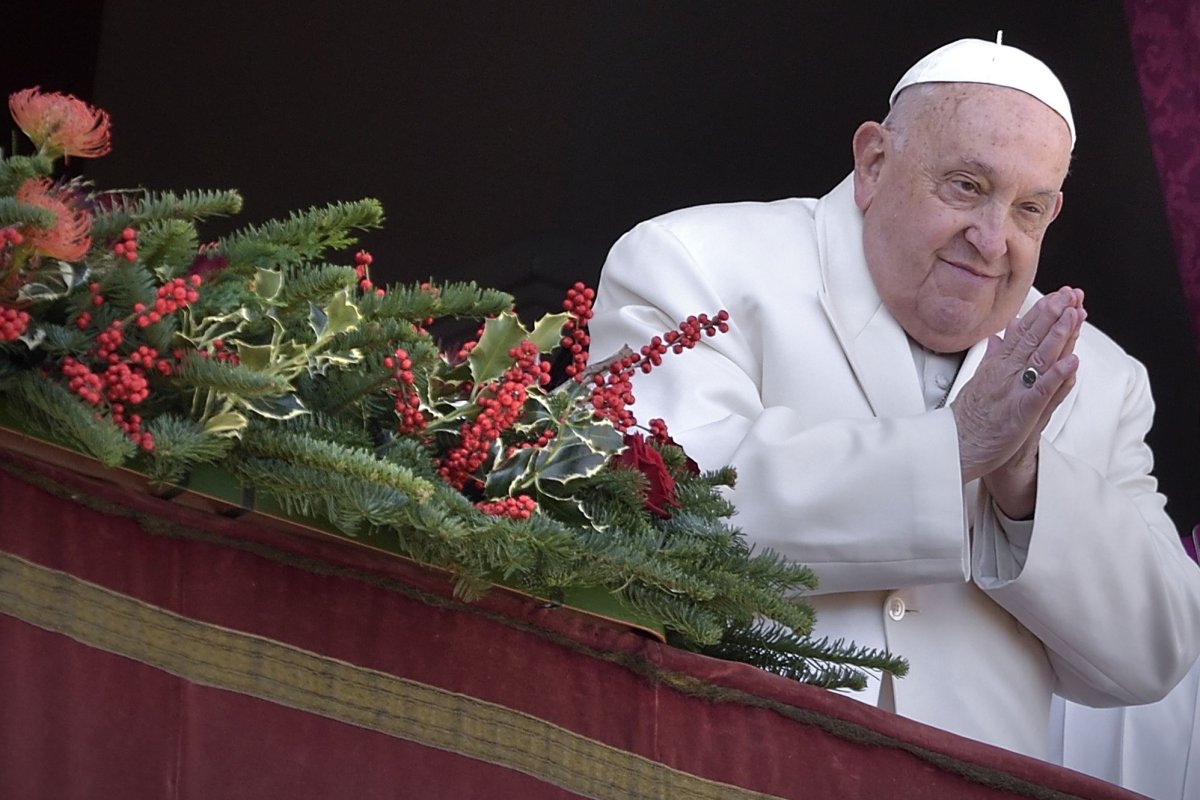
The publication of “The Private Diary of Pope Francis”—containing more than three decades of personal reflections, confessions, and spiritual struggles—has prompted global debate and introspection across the Catholic community and beyond. Released in 94 countries and five languages, the book is the first publicly accessible collection of daily diary entries written by a sitting or former pope, spanning Pope Francis’ early days as an Argentine bishop through his papacy and up to August 2024. The release was announced November 24, 2026, and was compiled and contextualized by Cardinal Víctor Manuel Fernández, a close confidant, with the approval of Pope Leo XIV.
The diary, described as having been written in a simple planner and kept at both Buenos Aires and the Vatican’s Casa Santa Marta, provides unprecedented insight into Francis’ interior life. Its entries include raw expressions of self-criticism, fears, feelings of inadequacy, and reflections on moral responsibility. Particularly notable is the documentation of a profound spiritual crisis between 2021 and 2022, during which the pope wrote of resisting the temptation to “exercise power omnipotently,” ultimately resolving to submit to mercy and humility. These confessions trace the evolution of his spiritual identity and moral compass amidst ongoing church challenges.
Among the most striking revelations are three diary entries in which Pope Francis describes his personal “encounters with the devil.” Two incidents occurred during his tenure as Archbishop of Buenos Aires, and a further entry follows his 2018 visit to Chile, when the global clergy sexual abuse scandal reached a pivotal moment. In a vision he called the “gates of hell,” Francis describes an acute awareness of the suffering perpetuated by church officials and the gravity of their abuses, a moment he writes was among the darkest of his spiritual career.
Cardinal Fernández, who was given the task of compiling these intimate reflections, stated that the diary aims to show Francis as both “fragile and strong,” never shying from the darkness or self-doubt that often precedes renewal. The Vatican fully approved the publication, which is now available to the public. However, as readers and church officials delve further into the dense text, the full context and import of some entries remain under ongoing examination by scholars and commentators, leading to varied interpretations across global media.
While the diary presents many personally difficult episodes, it also records Francis’ trust in divine mercy and the resilience he found in faith. Its release marks a previously unseen transparency from the uppermost hierarchy of the Catholic Church, prompting ongoing reflection and analysis. Whether the details—and their ongoing unpacking—will have lasting impact on the church’s future self-understanding remains to be seen.