
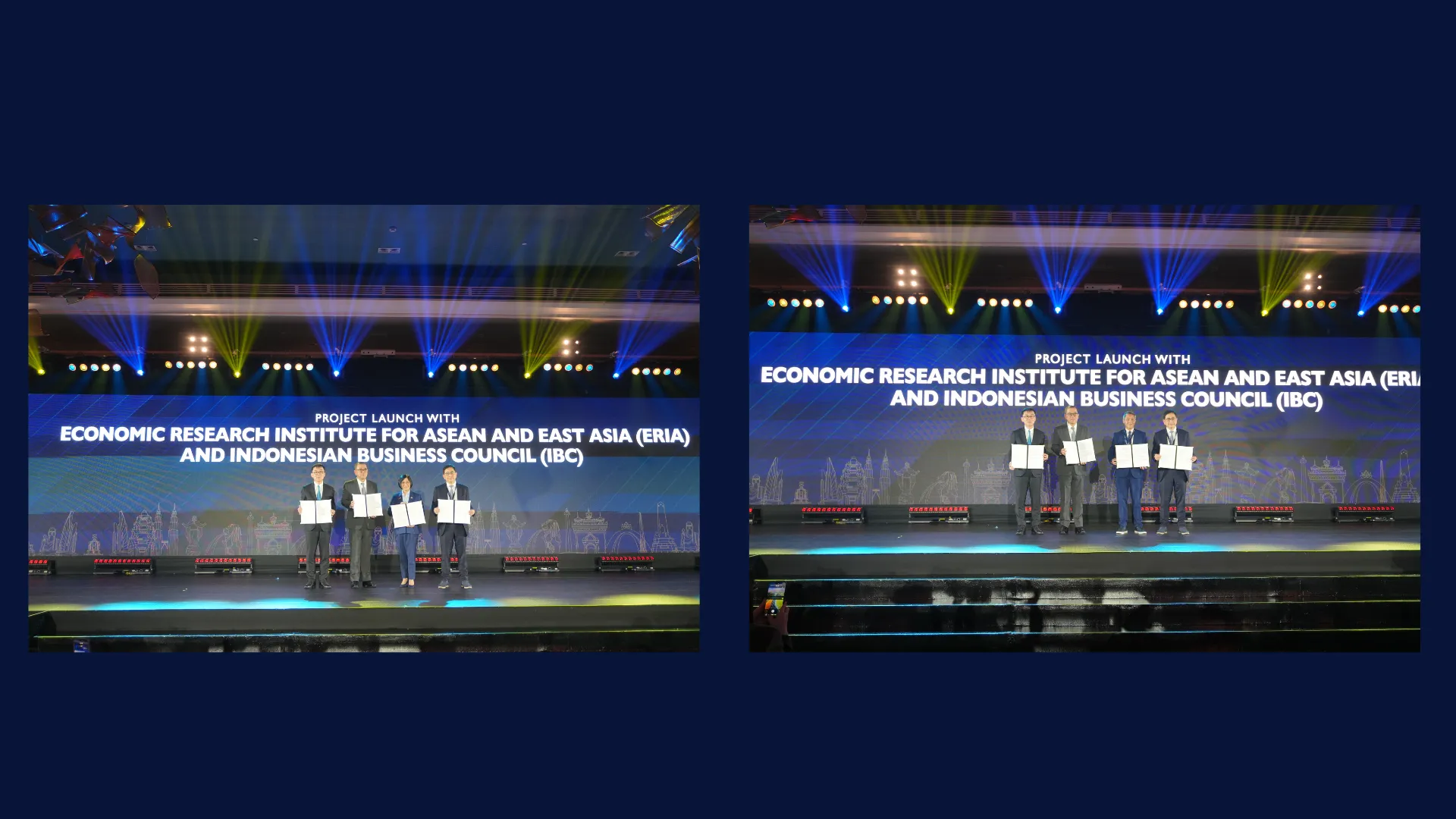
The Philippines is making a strategic push to enhance its energy security, signing agreements to explore emergency oil access with Indonesia and Thailand just as all ASEAN member states advance a landmark deal to deepen regional power grid connectivity.
On November 14, 2026, the Philippines formalized letters of intent with Indonesia’s PT Interport Mandiri Utama and Thailand’s Shell Company of Thailand Limited, opening the door to the use of so-called “oil ticketing”. Under this arrangement, the Philippines would pay for the right to access oil stored in facilities abroad, ensuring the ability to draw on these reserves during emergencies without rapidly building its own costly storage. The deal follows a year marked by the country’s energy vulnerability: In March, it declared a state of national energy emergency following significant disruption in oil supplies from the Middle East, a consequence of its roughly 98% dependence on Gulf-region oil imports.
Officials have clarified that while these agreements are significant, the oil ticketing program is still in the exploratory stage and no oil is currently held in reserve for the Philippines in Indonesia or Thailand yet. Negotiations continue around key details, including the volume of oil to be safeguarded, terms of access, and financial arrangements.
This oil security initiative unfolds as ASEAN members—in a major show of regional cohesion—signed the Enhanced Memorandum of Understanding on the ASEAN Power Grid on November 15. This new pact aims to create seamless connections among national electricity networks, fostering not just overland transmission but also the development of subsea power links.
A flagship project of the deal is the planned first Sabah–Mindanao undersea cable, which will link Malaysia and the Philippines’ electricity grids for the first time. The project is expected to strengthen both countries’ ability to handle supply disruptions and create new market opportunities for cross-border electricity trading.
During the 49th ASEAN Summit in Manila, leaders underscored the region’s urgent need for coordination in energy emergency preparedness. Efforts to build a regional oil reserve system, supported by partners including Japan, are progressing alongside the complex work needed to harmonize regulations and mobilize investment for future grid and oil infrastructure.
Significant regulatory, technical, and financing hurdles remain, and timelines for full deployment of the oil ticketing mechanism and completion of new cross-border transmission lines have not been finalized. Nonetheless, the Philippines’ latest moves—both in brokering oil access deals and helping to drive ASEAN power grid advancement—mark a turning point in the region’s effort to become less vulnerable to external shocks and more energy resilient as a bloc.
For Southeast Asia, it is an experiment in both policy innovation and regional cooperation, with the coming months poised to test the real-world impact of these signature agreements.