
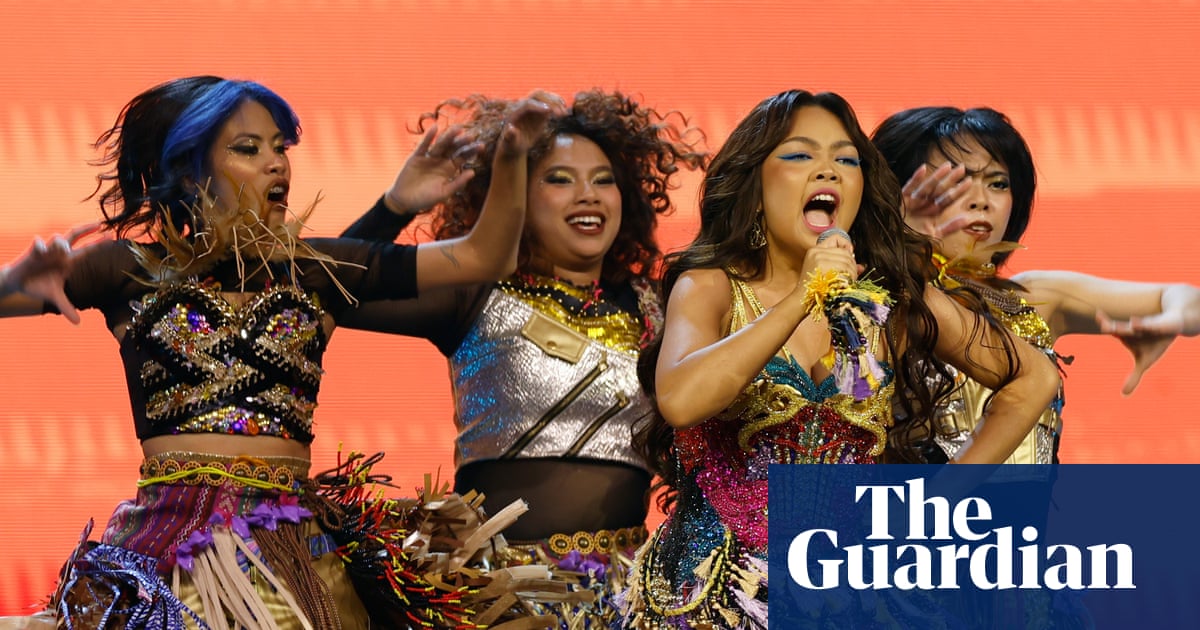
On November 14, 2026, in a landmark moment for Asian pop culture, Carmelle Collado’s energetic performance of “Sobra-Sobra” secured a resounding win for the Philippines at the first-ever Eurovision Song Contest Asia. Staged at the One Bangkok Forum in Thailand, the event witnessed fierce competition among 11 countries, but it was Carmelle’s blend of modern dance-pop and Filipino musical heritage that captured both jury and public acclaim.
A Night of Firsts in Bangkok
The contest, modeled after Europe’s iconic Eurovision format, marks the debut of the franchise in Asia, with eleven countries—including Bangladesh, Mongolia, and South Korea—fielding vocal talents to a pan-Asian audience. Carmelle, known professionally by her mononym, emerged from a diverse roster with a combined jury and public score of 211 points, decisively outpacing Thailand and Vietnam, which finished second and third with 170 and 164 points, respectively (The Guardian; EBU).
Winning With Fusion—and Heart
“Sobra-Sobra,” translated as “Too Much,” was crafted by Gianina Camille del Rosario and Mart Sam Emmanuel Olavides, produced with Jonathan Manalo, and stands out for weaving traditional Filipino instruments like the kubing and kulintang into a dance-pop anthem—a musical direction that reviewers say broadened its regional appeal (The Guardian). The song’s modern arrangement, energetic choreography, and bilingual rap segments were repeatedly highlighted as factors in its broad resonance.
Carmelle’s Meteoric Rise
Born in Sipocot, Camarines Sur in 2007, Carmelle Collado is no stranger to vocal competitions; she previously finished as first runner-up on “The Voice Kids Philippines” and claimed victory in “Tawag ng Tanghalan: The School Showdown” (Wikipedia). For many viewers and music observers in both Asia and the Philippines, her Eurovision Asia triumph is likely to propel her career to the regional stage—and could open doors for Filipino music in wider international forums.
A Broader Stage for Filipino Music
The expansion of Eurovision into Asia has not only created fresh creative opportunities for artists like Carmelle, but also put a spotlight on the Philippines as a pop culture exporter. The new contest’s blend of jury and public voting—just like its European predecessor—helped ensure transparency and cross-border engagement, encouraging a competitive but convivial atmosphere in Bangkok (EBU).
While questions remain about the Philippines’ approach to future rounds of the competition, this first win positions the country as a key player in defining the Eurovision Asia identity—a prospect artists and fans alike will watch closely in coming years.