
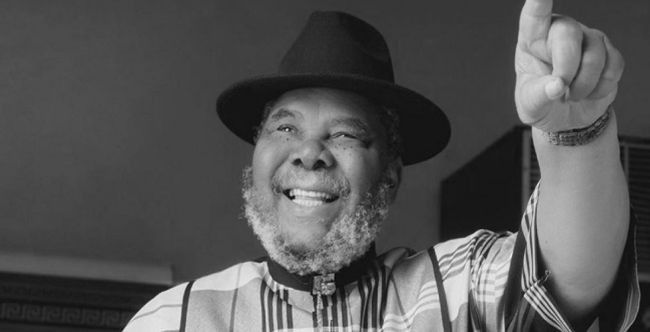
Pete Edochie, a towering presence in African film and a central architect of Nollywood’s rise, died early Wednesday morning in Enugu, Nigeria, after a lengthy struggle with prostate cancer. He was 79. His death, confirmed by his family in an emotional statement, marks the passing of one of the most recognizable—and beloved—voices in Nigerian cultural life.
Edochie’s son, Chief Leo Pete Edochie, delivered the announcement on Instagram, describing the loss as that of an “Iroko has fallen”—a reference to the towering tree sacred in Igbo heritage. The family’s tribute depicted Edochie as a devoted husband and father as much as a gifted performer with a deep, rumbling voice and undeniable gravitas on screen. He is survived by his wife, Barrister Josephine Edochie, and children, including actors Yul and Linc Edochie.
From his start in broadcasting in 1967 with the Eastern Nigeria Broadcasting Corporation, Edochie’s career trajectory paralleled the rise of Nigeria’s homegrown entertainment industry. His national breakthrough arrived in the 1980s with a defining performance as Okonkwo in the Nigerian Television Authority’s epic adaptation of Chinua Achebe’s Things Fall Apart. That performance, marked by its intensity and authenticity, helped launch modern Nigerian screen drama and was followed by more than a hundred films in which he became renowned for roles as kings, patriarchs, and wise elders.
Edochie’s stature extended far beyond acclaim or box office. In 2003, he was recognized with the national honor of Member of the Order of the Niger (MON), while industry awards—most notably the Africa Magic Viewers’ Choice Awards Industry Merit honor—underlined his peerless impact on Nollywood. Distinctive for deep proverbs and a commanding baritone, Edochie became not only a template for screen authority but a model for a generation of African performers seeking both global and local resonance.
As recently as August 2026, Edochie graced the screen in Ikenga: The Last Festival, an Igbo-language cultural epic whose record-breaking success reflected his enduring box office draw and continued commitment to promoting indigenous Nigerian stories. The film’s reception, and the actor’s own popularity, underscored a career that remained vibrant within his final year.
Rumors about his health had circulated months earlier, but his family actively debunked false reports as recently as February 2026. The genuine sorrow now radiating from Nigeria and the wider African film community marks this as an undisputed loss—one not just of a Nollywood icon but of a foundational voice in modern African storytelling. Details of Edochie’s funeral have not yet been announced as the family requests privacy while arrangements are made.