
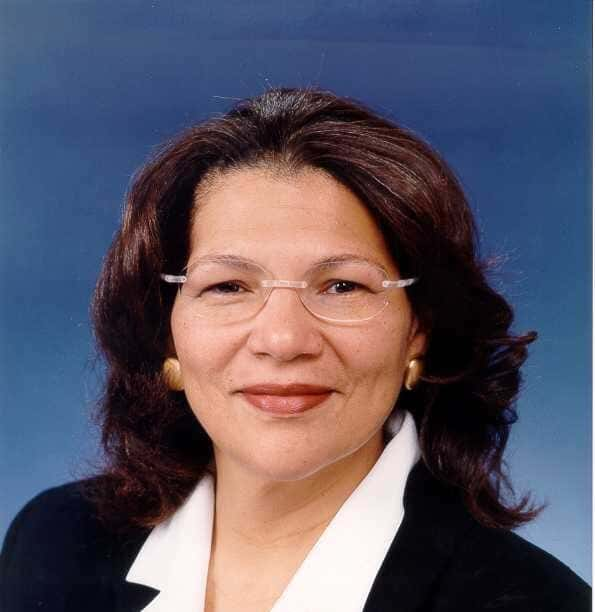
Anita DeFrantz, who rose from humble beginnings in Philadelphia to become one of the most influential figures in international sport, died on November 25, 2026, in Santa Monica, California. She was 74. Her death was confirmed by statements from the International Olympic Committee (IOC) and tributes from global rowing organizations. The cause has not been disclosed.
DeFrantz’s journey, forged through discipline and ambition, began with a political philosophy degree at Connecticut College, followed by legal studies at the University of Pennsylvania. Training at Philadelphia’s Vesper Boat Club, she honed the drive that would propel her toward an Olympic podium. As captain of the U.S. women’s eight rowing team, she guided the crew to a bronze medal at the 1976 Montreal Olympics—a pivotal moment, not just for her career but for women’s representation in the Games.
Her Olympic dreams encountered abrupt political realities in 1980, when U.S. athletes were barred from competing in Moscow. DeFrantz became an outspoken advocate on their behalf, earning the Olympic Order as recognition for her courage and sense of justice—a quality that would define her career off the water. Undeterred by setbacks, she channeled her Olympic spirit into lasting institutional change.
In 1986, DeFrantz broke multiple barriers by becoming the first African American and first American woman elected to the IOC. Her new perch in the Olympic hierarchy opened doors for generations of athletes—and women—in global decision-making. She would serve as IOC Vice-President twice, playing vital roles in the Olympic movement’s debates and reforms for greater gender equity.
For nearly two decades, she chaired the IOC Women and Sport Commission, advancing policies to expand athletic opportunities worldwide. Parallel to her work at the IOC, DeFrantz led as Vice-President of World Rowing (FISA) from 1993 to 2013, and as Vice-President of the Los Angeles 1984 Olympic Organizing Committee, guiding not only athletic contests but the transformation of Olympic legacies in the city.
Perhaps her most lasting contribution unfolded at the LA84 Foundation, where as President from 1987 to 2015, she steered resources—financial and educational—into communities to widen access to sports for youth and promote Olympic values. DeFrantz’s philosophy was rooted in the conviction that sports can effect broad social change—a conviction recognized by an array of honors, including her induction into the U.S. Olympic and Paralympic Hall of Fame in 2025 and the NCAA’s Gerald R. Ford Award in 2024. In 2017, a permanent plaque was added to the L.A. Memorial Coliseum’s Court of Honor, cementing her status as not just an athlete but a builder of opportunity.
News of her passing has prompted tributes throughout the Olympic world. While the cause of death is undisclosed, her influence is unambiguous: Anita DeFrantz’s life is a testament to resilience and the transformational power of sport. Her legacy, advocates say, endures in every young athlete who finds a place in competition and in every institution now more open, more just, for her decades of advocacy.
DeFrantz is survived by the countless athletes and colleagues she mentored, and by the global Olympic movement she helped shape across continents and communities.