
Jensen Huang has returned to head Nvidia just 11 days after his abrupt resignation triggered by swirling allegations of an affair with Alice Huang—a former Megaspeed executive alleged to have ties to Chinese intelligence. The Nvidia board acted unanimously on November 23, 2026, following intensive board probes and consultations with senior U.S. government officials, ultimately concluding Huang posed “no national security risk” at the helm. Yet the crisis has exposed fissures inside Nvidia’s governance, with S&P Global Ratings placing the semiconductor giant on negative credit watch due to uncertainties in oversight and internal controls following the leadership turmoil.
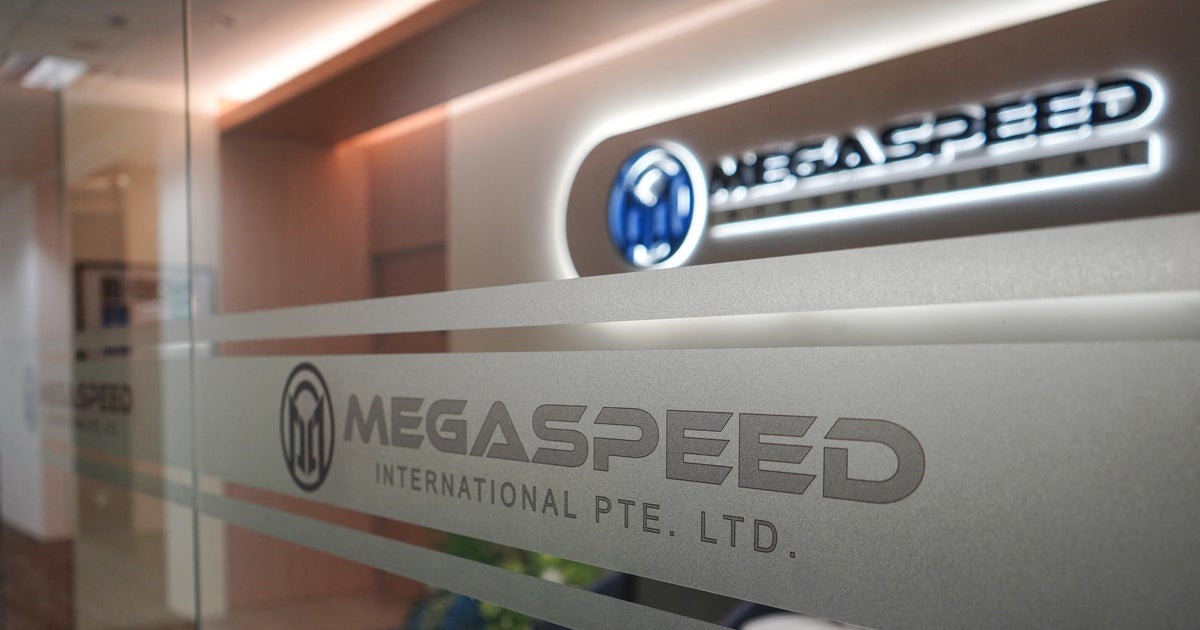
Huang’s original fall from grace came on November 12 after news broke of his relationship with Alice Huang, a controlling Megaspeed shareholder. Megaspeed, rebranded from 7Road International in 2023, operates in Singapore and is a key player in AI cloud infrastructure. Alice Huang, whom reports identify as a potential Chinese intelligence asset, reportedly left Megaspeed in August 2025, according to the company. U.S. intelligence concerns about Megaspeed’s diversion of Nvidia’s advanced AI chips to China set the stage for a multi-agency investigation, with the Department of Justice probing possible breaches of U.S. export controls. Nvidia did not notify the DOJ of Huang’s return in the immediate aftermath, according to Hindustan Times, calling into question the alignment between corporate and government oversight at a moment of exceptional scrutiny.
Commerce Department Blacklists Megaspeed—but Loopholes Remain
The U.S. Commerce Department on November 23 added Megaspeed and six of its affiliated entities to its Entity List, aiming to restrict their access to advanced semiconductor chips over fears that sensitive technologies might be diverted to China. The action marked a rapid and forceful government response, but analysts highlighted that the Commerce Department declined to assign “Footnote 4″—a provision for even stricter curbs on foreign-manufactured chips—which could allow Megaspeed to indirectly access lower-performance AI hardware through overseas suppliers.
Financial markets responded sharply to events: Nvidia shares, which had dived 24% after Huang’s resignation, rebounded more than 30% upon news of his board-approved return, clawing back recent losses. Still, the company faces questions not only about export practices but about its broader internal controls. S&P’s negative credit watch underscores this risk, reflecting concerns that leadership uncertainty and regulatory headwinds could shake investor confidence further.
Congressional and Ongoing Investigations
Huang now faces a new test: he is slated to appear before the Senate Banking Committee on December 3 to answer questions on Nvidia’s relationship with Megaspeed, compliance practices, and export controls. Meanwhile, Nvidia has announced the formation of an independent board committee to supervise national security risk and export compliance, and is seeking a permanent chief compliance officer position.
As investigations continue, unresolved issues linger. U.S. authorities have not yet determined the extent of any illegal diversion of Nvidia chips to Chinese entities, nor the ultimate impact of the Megaspeed saga on Nvidia’s operations in Asia. Megaspeed, for its part, insists on its lawful conduct and has launched its own internal review. As regulatory pressure mounts in the world’s most sensitive semiconductor market, Nvidia’s next steps—and the outcome of national security probes—could reshape both its leadership’s legacy and the boundaries of U.S.–China tech rivalry.