
California Governor Gavin Newsom has forcefully rejected President Donald Trump’s condemnation of his decision to commute the death sentences of 548 prisoners, highlighting sharp divides on criminal justice and dredging up decades-old controversies connected to Trump’s stance on capital punishment.
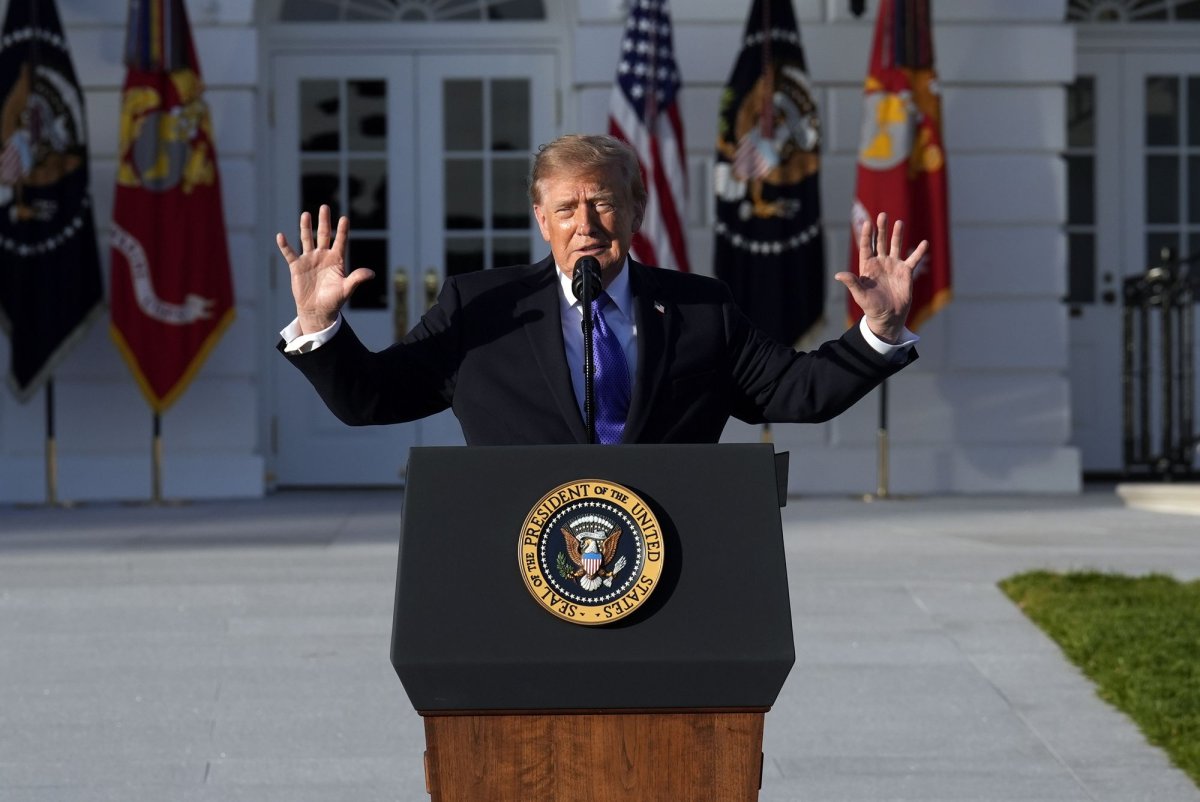
Trump, speaking at the Department of Justice on November 23, called Newsom’s move “one of the most shocking acts of injustice our country has ever seen,” referring to the commuted inmates as “Newsom’s monsters.” The sweeping act by Newsom, a vocal opponent of the death penalty, reshaped the futures of hundreds on California’s death row by converting their sentences to life without parole, a step that reignited national debate over capital punishment.
Newsom swiftly responded to Trump’s remarks, airing a public video and written statement. In his message, Newsom questioned Trump’s moral authority on the topic, referencing the former president’s use of presidential pardons. “I won’t take lectures on accountability from a President who has used the pardon power to help wealthy friends and business associates avoid accountability while victims are left fighting to recover what was stolen from them,” Newsom asserted, directly challenging Trump’s record during his term in office.
Central Park Five Controversy Resurfaces
The exchange escalated further as it spotlighted the legacy of the 1989 Central Park Five case—a touchstone for racial injustice and wrongful conviction in America. After the arrest of the five Black and Latino teenagers in the infamous attack on a jogger, Trump famously purchased full-page advertisements urging the return of the death penalty in New York. Despite the group’s exoneration in 2002 through DNA evidence, Trump has refused to recant his stance or apologize, insisting on their guilt as recently as the 2024 presidential campaign.
This persists as more than a historical footnote: the exonerated men, now publicly known as the Central Park Five, filed a defamation lawsuit against Trump in October 2024, arguing his statements during national debates further damaged their reputation even after their legal vindication. The case remains unresolved in federal court, unresolved as of November 24, 2026, according to available court filings.
Political Stakes for Penal Reform
Newsom’s commutations follow his consistent efforts to dismantle California’s death row population, setting him apart from most state and national politicians. His actions have courted strong reactions across the political spectrum and now face intensified scrutiny amid Trump’s vocal opposition. For Newsom, invoking the Central Park Five positions his decision firmly within broader debates about wrongful convictions and the risks of irreversible penalties: “We must not forget the lessons of cases like the Central Park Five, where wrongful convictions destroyed lives.”
As Newsom and Trump spar over new reforms and old grievances, the unfinished legal battle between the former president and the Central Park Five is poised to keep their story at the center of America’s ongoing debate over justice, fairness, and the ultimate costs of error in the criminal justice system.