
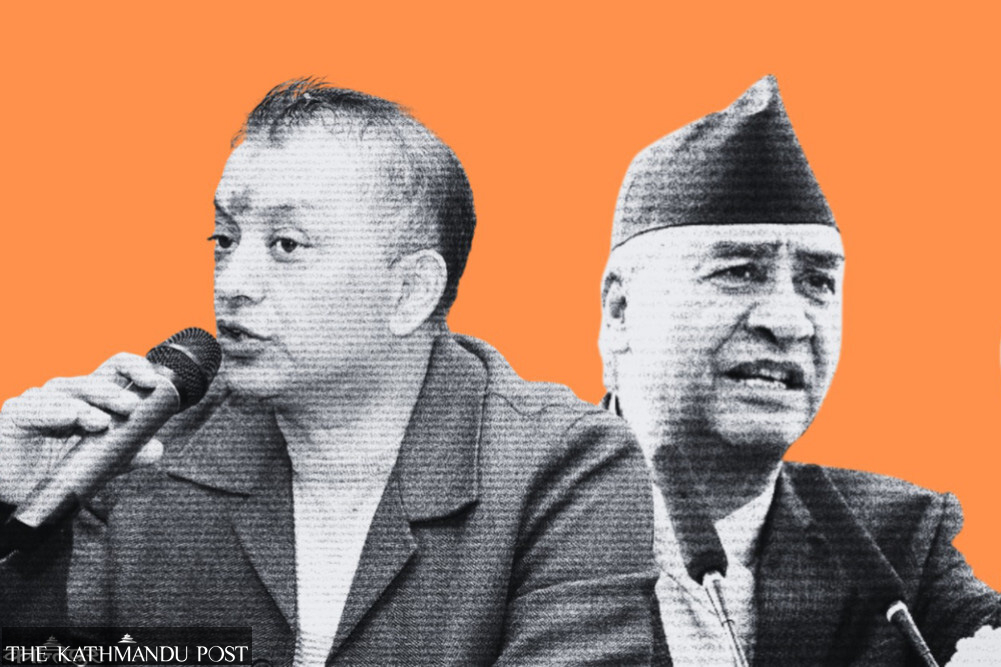
The Nepali Congress, Nepal’s oldest democratic party, remains mired in internal strife as the country’s Supreme Court recognized Gagan Thapa’s leadership in April 2026, but a fresh surge of bribery allegations deepened doubts about the legitimacy of recent party changes. The protracted dispute, which began after Thapa’s election as party president at a special convention in January, continues to divide former loyalists and pose questions about the direction of Nepal’s largest opposition force.
The Supreme Court’s decision on April 17, 2026, marked the legal culmination of a three-month internal battle. By recognizing Thapa’s claim over that of former party president Sher Bahadur Deuba, the Court granted his faction formal control and ended—at least ostensibly—a period of institutional paralysis. Thapa, addressing his colleagues, described the verdict as a triumph for constitutional procedure and urged the party to embrace unity in its wake (kathmandupost.com, english.ratopati.com).
Yet the sense of resolution proved short-lived. As the party began to regroup, Deuba and his supporters accepted the Court’s decision but stressed that reconciliation was imperative. Thapa, publicly calling for party-wide reforms and internal healing, acknowledged the credibility challenge posed by fierce public scrutiny and a deeply polarized political climate (english.ratopati.com).
The political landscape shifted again in November 2026, as accusations surfaced alleging that Thapa’s supporters had orchestrated payments totaling 180 million Nepali rupees to secure Supreme Court recognition. Media reports and party insiders suggested that an illicit deal, now the subject of a reopened Supreme Court inquiry, could undermine the hard-fought legitimacy that Thapa’s faction had only recently secured (spotlightnepal.com, english.ratopati.com).
Thapa firmly denied any wrongdoing, publicly rejecting the claims and demanding an independent investigation. At a time when Nepal’s opposition was expected to coalesce in preparation for forthcoming general elections, the gravity of the charges threatened both the party’s unity and credibility. As full bench hearings reconvened, Deuba’s faction, while no longer contesting the presidential seat, continued to push for accountability and due process as core party values.
The backdrop to these events includes calls for greater transparency and reform within the Nepali Congress, reflecting party-wide anxiety over repeated public embarrassments and deteriorating public trust. While Thapa’s leadership was initially framed as an opportunity for generational and policy renewal, the shadow of legal uncertainty and the unresolved bribery inquiry now threaten to stall momentum and further destabilize Nepal’s shifting political order.
The final outcome of the Supreme Court’s ongoing review will not only determine the future of the country’s largest party but may also set a precedent for party governance and transparency standards amid Nepal’s evolving democracy (english.ratopati.com, spotlightnepal.com).