
Two merchant vessels sailing near Romania’s Danube Delta were hit by drone strikes on November 14, triggering fires aboard both ships and prompting NATO-aligned air patrols as regional authorities investigated the latest escalation of drone activity in the Black Sea.
The incidents occurred between 9:10 PM and 9:45 PM local time, roughly 4 to 5 nautical miles off Sulina, a strategic point close to the mouth of the Danube. The first vessel, the Greek-flagged oil tanker Evia Petrol V, reported a fire after a drone strike at approximately 9:10 PM. Less than 40 minutes later, the bulk carrier Marsol suffered a similar attack. Crew on both ships managed to suppress the fires, and no injuries were reported, according to Romanian Ministry of Defence statements and corroborating reports from regional news agencies (AA.com.tr).
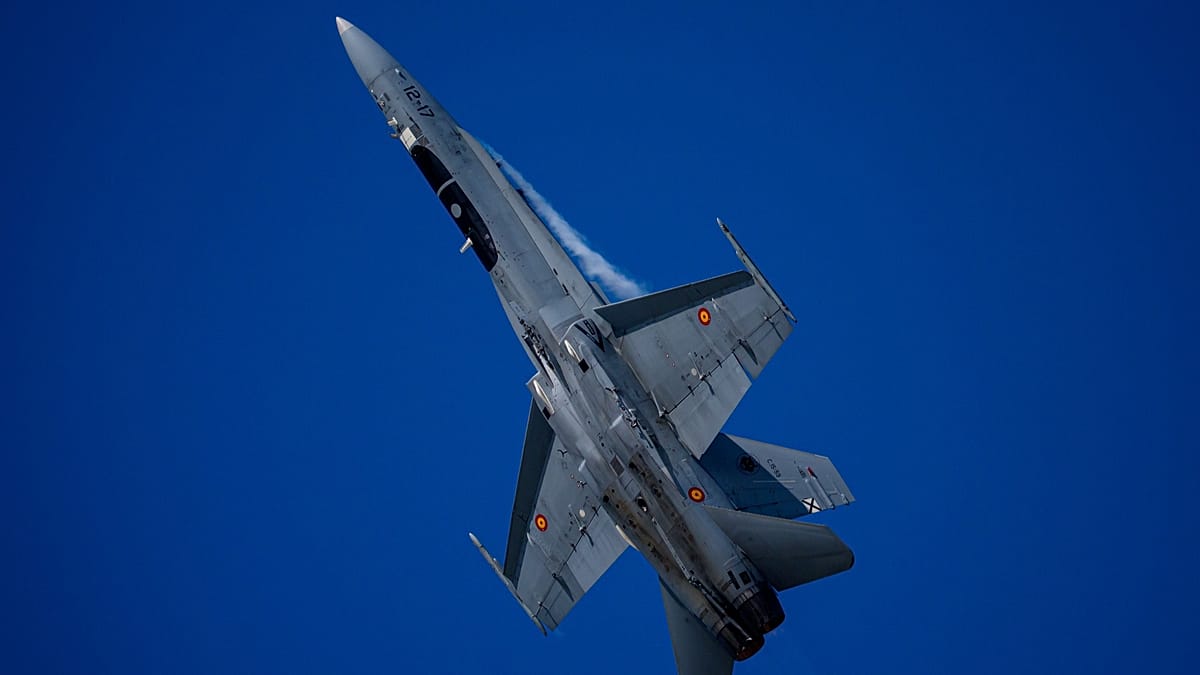
Military radar detected an unidentified aerial object east of Snake Island—an area deep within recent drone activity since the onset of the Ukraine conflict—and within minutes, the Romanian Air Force scrambled two F-16 fighter jets from its Fetesti air base. Authorities issued an emergency RO-Alert to residents in Tulcea County, warning them of potential aerial threats between 8:51 PM and 9:37 PM, before lifting the alert as the situation stabilized.
Investigation and Heightened Security
Romanian officials are still working to determine the drones’ origin and purpose, with investigators analyzing debris and reviewing military radar data. The lack of casualties and quick crew responses averted a broader tragedy, but with the source and intent still unknown, uncertainty continues to shadow navigation in one of Europe’s busiest waterways.
This latest episode comes amid a series of drone-related incidents in the region since Russia’s expanded attack on Ukraine in February 2022. On October 17, Romanian F-16s intercepted and destroyed two Geran-4 drones—Russian models—over territorial waters near Sulina, according to open source and Wikipedia records. These serial occurrences have kept military and civilian authorities on high alert along the Black Sea littoral, especially with the Romanian stretch forming NATO’s eastern frontier.
NATO’s Watchful Role
Romania, a NATO member since 2004, has played an active role in the alliance’s Black Sea security framework, conducting joint air policing missions and deploying early-warning systems along its coast (nato.int). In response to recent attacks, the country has reinforced its surveillance capabilities and coordination with neighboring allies. NATO has not explicitly attributed the latest attacks to any state actor, and the Romanian Ministry of Defence has dismissed rumors linking the incidents to a NATO-affiliated ship.
“We remain vigilant,” Romanian defense authorities stated, urging civilians to report any suspicious aerial activity while maritime and military patrols stay on alert.
As investigations continue, commercial shipping companies transiting through the Black Sea near the Danube mouth face increased security warnings. The episode highlights both the vulnerability of global shipping routes to new forms of warfare and the complexities NATO faces in deterring and responding to ambiguous threats where accountability remains difficult to pin down.