
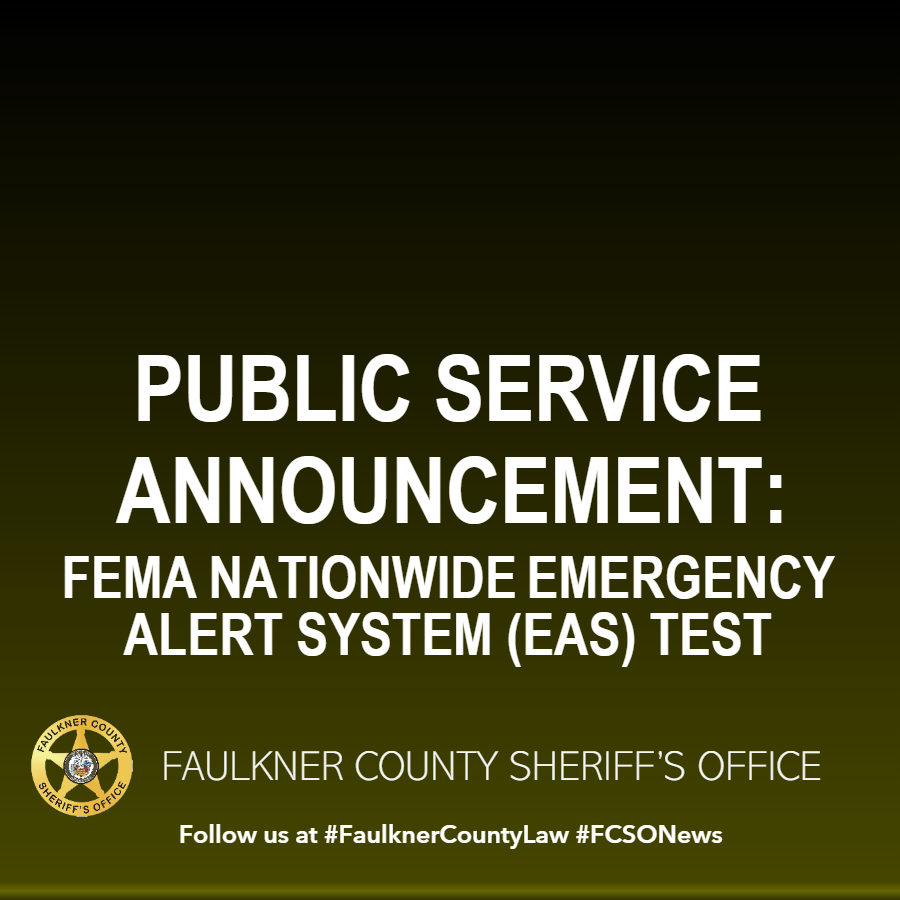
Millions of Americans were momentarily interrupted from their daily routines at 2:20 p.m. Eastern Time on November 17, 2026, as the Federal Emergency Management Agency (FEMA) and the Federal Communications Commission (FCC) conducted a sweeping test of the nationwide Emergency Alert System (EAS). The test, mandated by federal law to occur at least every three years, was designed to verify that broadcasters and communications networks across the United States can deliver urgent public warnings in the event of a national crisis.
At the scheduled time, radio and television stations—alongside cable, satellite, and wireline video providers—paused normal programming to deliver a brief but unmistakable message: “This is a nationwide test of the Emergency Alert System, issued by the Federal Emergency Management Agency. This is only a test. No action is required by the public.” The alert, which lasted about a minute, was confirmed to have been relayed as intended throughout the country, with FEMA and local emergency management agencies reporting no significant issues or technical malfunctions.
Routine Procedure but Real Impact
Although some members of the public expressed confusion or anxiety—mistaking the alert for an actual crisis or assuming the worst—officials swiftly clarified that the event was strictly a test and required no public response. Both FEMA and the FCC emphasized in pre-test statements and during the event itself that the EAS is a key component of the US emergency preparedness strategy, enabling authorities to broadcast crucial warnings quickly across multiple platforms in the face of disasters or national threats.
Importantly, the November 17 test did not include cell phone-based Wireless Emergency Alerts (WEA) or NOAA Weather Radios, focusing instead on traditional broadcast and wireline channels. The Maryland Department of Emergency Management, echoing guidance from FEMA, advised residents to take the opportunity to review their emergency alert settings and ensure their information was up-to-date across various notification systems—a reminder that while tests are rare, preparedness should be ongoing.
Looking Ahead
No ongoing issues have been reported since the test, nor were there significant false alarms or disruptions. A backup date had been established for December 3, 2026, but with the successful completion of Tuesday’s test, it will not be required. This marks the continuation of a regular cadence in national alert testing, with the last previous event in 2023, in line with FEMA’s legal obligations.
The episode, while routine, serves as a reminder of the behind-the-scenes infrastructure that underpins public safety nationwide. By ensuring these systems function as intended, officials hope to strengthen public trust and readiness in the face of emergencies, whether natural or man-made. Further updates and preparedness guidance are available from FEMA and state emergency management websites.