
Photo: NASA/Helen Arase Vargas
NASA has officially reopened its astronaut candidate application process, signaling a pivotal step toward the agency’s ambitious goal of expanding human access to the Moon and, ultimately, Mars. The recruitment drive, announced on November 7, 2026, marks the first time in two years that NASA is accepting new applicants, with the selection process designed to strengthen the astronaut corps for upcoming Artemis program missions.
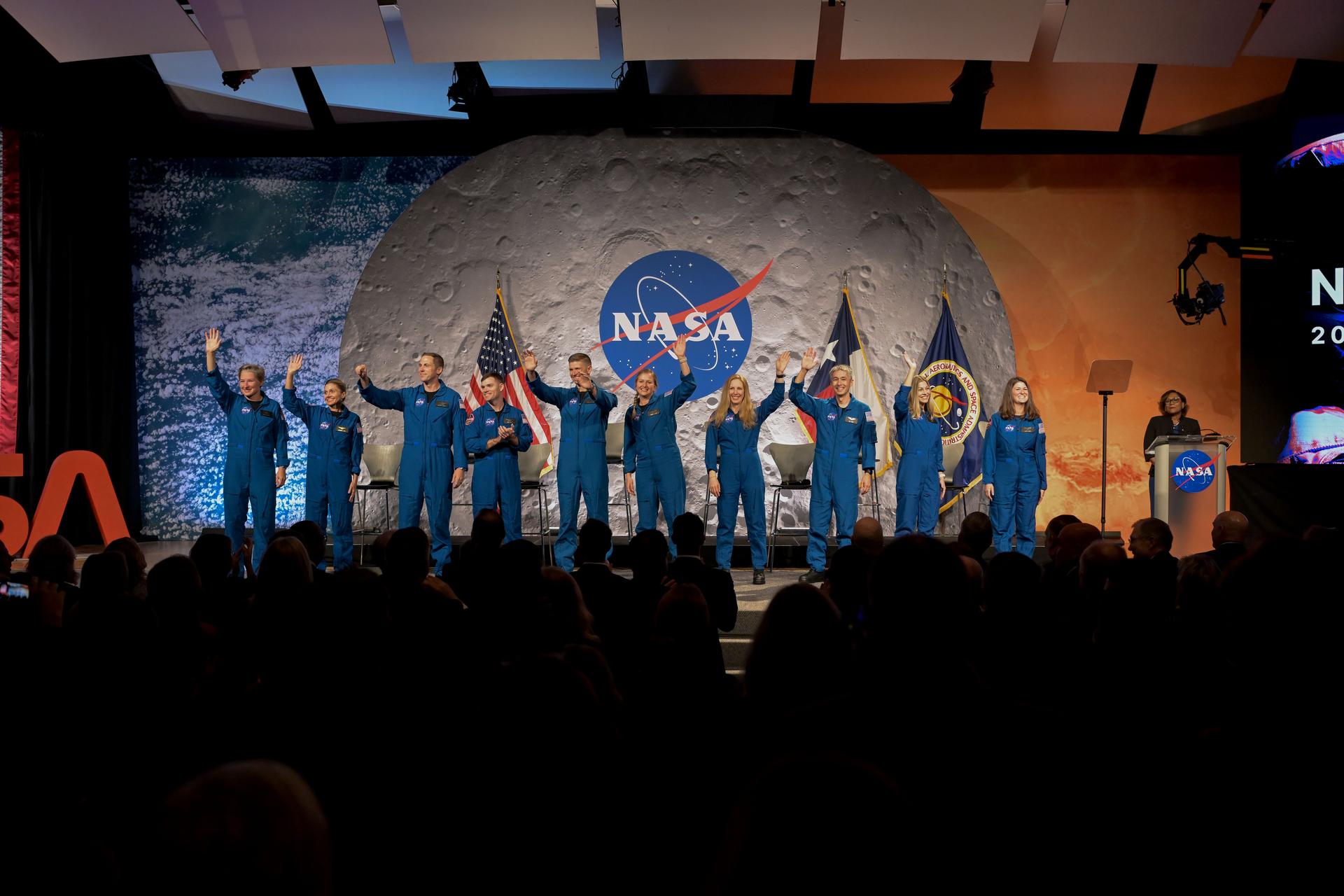
The application window will remain open until 11:59 p.m. EST on December 3, 2026. Aspiring astronauts are required to apply via the federal USAJOBS portal, and competition is expected to be fierce, echoing the previous cycle in which only 10 candidates emerged from a pool of more than 8,000 applicants (nasa.gov).
Astronauts Needed for Next-Gen Exploration
With its sights set on reestablishing a sustained human presence on the lunar surface and laying groundwork for the first crewed Martian missions, NASA is seeking candidates that meet a stringent set of criteria. Eligible applicants must be U.S. citizens holding a master’s degree in a STEM field—or alternative qualifications such as advanced doctoral work, a completed medical degree, or test pilot school graduation. Three years of relevant professional experience is also required, or equivalent flight hours for pilots. All candidates must pass the NASA long-duration astronaut flight physical and demonstrate strong leadership, teamwork, and communication skills (nasa.gov).
“The people we select could walk on the Moon, live and work at the Moon Base, and help pioneer operations that will ultimately carry crews to Mars,” said NASA Administrator Jared Isaacman in the official announcement. “Those missions will demand technical excellence, sound judgment, teamwork, and courage.”
Selection and Training Timeline
Following the application deadline, NASA’s Astronaut Selection Board will begin an intensive review of submissions. Shortlisted candidates will be invited for in-person interviews at Johnson Space Center in Houston. The agency expects to announce its new astronaut candidate class by late 2027, who will then embark on a demanding two-year training program. This training will cover spacewalks, lunar geology, operation of high-performance aircraft, robotics, and other vital skills necessary for deep space exploration.
The Artemis program, which includes building a Moon Base and supporting long-duration lunar missions, is expected to benefit significantly from this expanded talent pool. The experience gained through these lunar expeditions is seen as a critical stepping stone for the first human missions to Mars.
Preparing for the Artemis Generation
This recruitment comes at a time when the agency’s current astronaut trainees—selected in the 2024 cycle—near the completion of their two-year training. NASA’s current astronaut corps stands at 32 active members. As of November 17, 2026, the number of new candidates to be selected has not been specified, nor have precise mission assignments for the new class.
NASA officials emphasize the historic significance of this recruitment, viewing the incoming astronaut candidates as integral players in “humanity’s greatest adventure.” Updates on the application review and final selection are expected throughout 2027, as the agency prepares for a new era of human exploration beyond Earth’s orbit.